


US Prefers Reckless Military Adventure Over Diplomatic Solutions – Araghchi
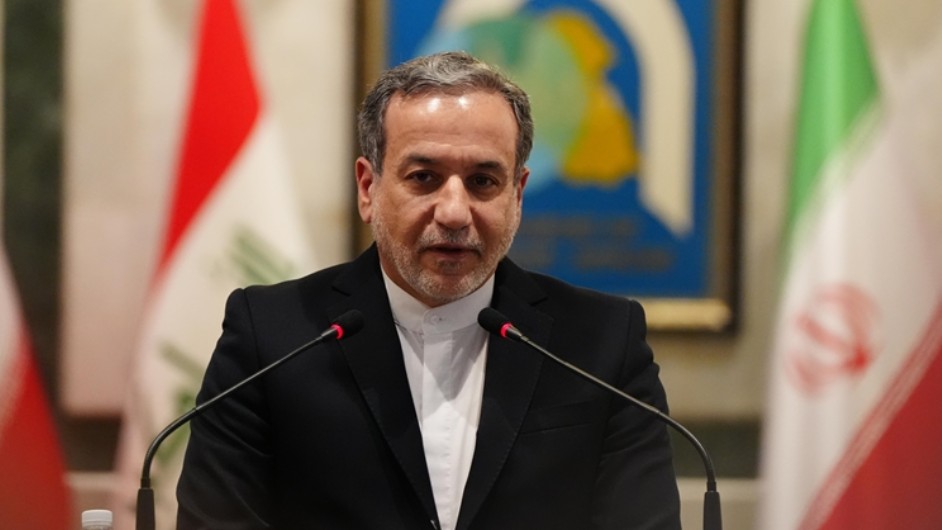
The fragile ceasefire between Iran and the American-Israeli coalition is buckling under fresh naval skirmishes. Iranian Foreign Minister Abbas Araghchi claims Washington prefers “reckless military adventure” over the diplomatic deals currently on the table. Both sides exchanged heavy fire in the Strait of Hormuz this week while accusing the other of starting the fight. Despite the smoke, President Donald Trump insists the wider ceasefire remains intact. His administration expects a formal response from Tehran on Friday regarding a proposed peace deal.
The Strait of Hormuz has become a graveyard for commercial shipping and regional stability. US Central Command reports that Iran launched missiles, drones, and small boats at three American warships on Thursday. Iran counters that the US targeted an oil tanker and launched aerial strikes on its coastal territory. These waters carry a fifth of the world’s oil and liquefied natural gas. The blockage has already sent global energy prices to painful heights.
On the ground, the human cost of this maritime war is rising quickly. A cargo vessel caught fire near Minab on Friday after a reported strike. Emergency teams have moved ten injured sailors to the hospital, though others remain missing at sea. Meanwhile, the United Arab Emirates reported intercepting Iranian ballistic missiles and drones over its own territory. These attacks left three people injured and highlighted the widening scope of the conflict.
President Trump used social media to warn Iran of much harsher consequences if they delay. He claimed American forces destroyed several Iranian vessels and drones in the latest exchange. His rhetoric remains tied to his “maximum pressure” campaign to force a signature on a new deal. The US currently maintains a naval blockade of Iranian ports to starve the regime of revenue. This strategy aims to make the cost of resistance higher than the cost of surrender.
Secretary of State Marco Rubio, currently in Italy, expressed cautious hope for a serious diplomatic breakthrough. He believes the US proposals offer a viable exit from the war that began in February. Iran views these same proposals as crude pressure tactics designed to humiliate their leadership. The “spoiler” effect of hardliners on both sides continues to threaten the negotiations. Every missed diplomatic window seems to lead directly back to a military quagmire.
The next twenty-four hours will decide if the region slides into a total conflagration. If Tehran rejects the American terms on Friday, the blockade will likely tighten. The US military is already prepared to resume operations to free 2,000 vessels stranded since February. Iran has shown it can and will strike back at American allies in the Gulf. For now, the world’s most vital waterway remains a high-stakes shooting gallery.