

Ada stands at the whiteboard in front of eleven colleagues, marker uncapped, the sharp chemical smell of dry-erase ink cutting through the conference room air, and the word she needs, the word she knows, is gone. Her free hand finds the hem of her blazer and twists it slowly, a private anchor while heat rises in her chest and throat like something boiling beneath her skin, prickling the back of her neck where her hair is already damp. She is forty-one years old and feels like a stranger inside her own name.
Ada’s moment, the vanished word, the sudden fever, the quiet unravelling in a room full of people, is not a crisis or a weakness; it is menopause, and it is happening to roughly 1.3 million women every single year, most of them standing in their own version of that conference room, waiting for someone to explain what is happening to them. Every woman will go through menopause. Yet most women enter this phase with more questions than answers. What is actually happening in your body? When should you expect it? What are the signs? And what can you do about it? This guide answers all of it, clearly and directly.
What Is Menopause?
Menopause marks the point at which a woman’s menstrual periods stop permanently. It is a natural biological process, not a disease or a disorder. Doctors confirm menopause after 12 consecutive months without a period.
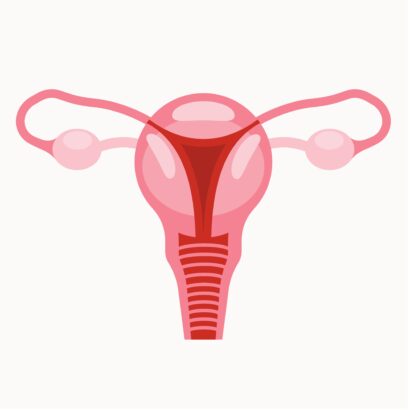
At its core, menopause happens because your ovaries gradually stop producing estrogen and progesterone, the two hormones that regulate your menstrual cycle. As these hormone levels decline, your body goes through a series of physical and emotional changes.
It is worth noting that menopause is not a single moment; It is a transition that unfolds across several stages over months or even years.
At What Age Does Menopause Start?
Most women reach menopause between the ages of 45 and 55. The average age in the United States is 51. However, some women experience it earlier or later, and both are medically normal.
Early menopause happens before age 45. Premature menopause, also called premature ovarian insufficiency, occurs before age 40. Certain medical treatments, like chemotherapy, radiation, or surgical removal of the ovaries, can also trigger menopause at any age. This is called induced menopause.
Genetics plays a significant role. If your mother experienced early menopause, your risk of doing the same is higher. Smoking, low body weight, and certain autoimmune conditions can also bring menopause on earlier.
The 3 Stages of Menopause
Understanding the stages helps you recognize where you are in the transition and what to expect next.
- Perimenopause
This is the lead-up stage, the runway before the full transition. Perimenopause can begin 8 to 10 years before menopause, typically in a woman’s 40s. Your estrogen levels start to rise and fall unevenly, which causes irregular periods and early symptoms.
Many women do not realize they are in perimenopause because they are still having periods. The symptoms can be subtle at first, then more intense as ovulation becomes less frequent.
You can still get pregnant during perimenopause, so contraception remains important.
- Menopause
Menopause itself is confirmed after 12 months without a menstrual period. At this stage, your ovaries have significantly reduced their hormone production. Symptoms are often at their most intense during this phase.
- Postmenopause
Postmenopause refers to the era following menopause. Many symptoms ease during this stage, but lower estrogen levels continue to affect your health long term, particularly your bone density and heart health.
Signs and Symptoms of Menopause
Menopause affects every woman differently. Some experience mild changes. Others find that symptoms significantly disrupt their daily life. Here are the most common signs to watch for.
Irregular periods. This is usually the first sign. Your cycle may become shorter, longer, heavier, or lighter before stopping altogether.
Hot flashes. Sudden waves of heat that spread across your chest, neck, and face. They can last anywhere from 30 seconds to 10 minutes. Hot flashes affect up to 75% of women going through menopause.
Night sweats. Hot flashes that happen during sleep often cause you to wake up drenched. This disrupts sleep and leads to fatigue.
Vaginal dryness. Declining estrogen thins the vaginal walls and reduces natural lubrication. This can cause discomfort during sex and increase the risk of vaginal infections.
Mood changes. Irritability, anxiety, and low mood are all linked to hormone fluctuations. Women with a history of depression may notice their symptoms worsen.
Brain fog and memory lapses. Difficulty concentrating or remembering things is common and often underreported.
Sleep problems. Beyond night sweats, many women experience insomnia or disrupted sleep patterns during menopause.
Weight changes. Hormonal shifts can slow your metabolism and cause fat to redistribute, often around the abdomen.
Reduced sex drive. Lower estrogen and testosterone levels can decrease libido.
Joint and muscle pain. Some women experience increased stiffness, aching, or joint discomfort.
Side Effects and Long-Term Health Risks
Beyond the day-to-day symptoms, lower estrogen levels create longer-term health risks that deserve attention.
Bone loss. Estrogen plays a key role in maintaining bone density. After menopause, bone loss accelerates, increasing the risk of osteoporosis and fractures.
Heart disease. The risk of cardiovascular disease rises significantly after menopause. Estrogen helps protect the heart, and its decline changes cholesterol levels and blood vessel function.
Urinary problems. The tissues of the bladder and urethra also thin with lower estrogen, leading to more frequent urination, leaks, or urinary tract infections.
These risks are manageable with the right medical guidance, lifestyle adjustments, and in some cases, treatment.

Treatment Options for Menopause
Menopause is not something you have to endure in silence. Several treatment options can ease symptoms and protect your long-term health.
Hormone Replacement Therapy (HRT). HRT is the most effective treatment for hot flashes, night sweats, vaginal dryness, and mood changes. It works by supplementing the estrogen your body no longer produces. HRT carries some risks, which vary based on your health history, so always discuss it with your doctor.
Non-hormonal medications. Certain antidepressants, blood pressure medications, and anti-seizure drugs have been shown to reduce hot flashes. These are options for women who cannot use HRT.
Vaginal estrogen. Applied locally as a cream, ring, or tablet, vaginal estrogen addresses dryness and urinary symptoms with minimal systemic absorption.
Lifestyle changes. Regular exercise, a calcium-rich diet, reduced alcohol intake, and quitting smoking all support bone health and reduce symptom severity. Mind-body practices such as yoga and mindfulness help manage mood and sleep.
Cognitive Behavioral Therapy (CBT). CBT has solid clinical backing for improving sleep, mood, and the psychological impact of menopause.
The Bottom Line
Menopause is a natural milestone, not a malfunction. But that does not mean you have to push through it without support. Understanding the stages, recognizing the signs, and knowing your treatment options puts you in control of your health, not the other way around.
Talk to your doctor. Ask questions. And know that what you are feeling is real, valid, and manageable.