
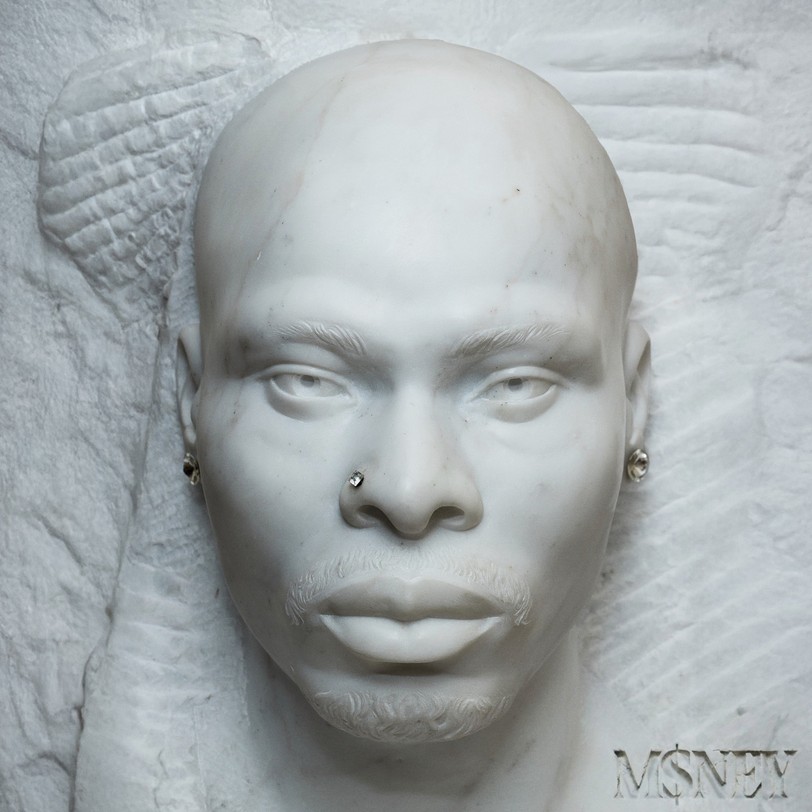
Asake has reclaimed his crown as the king of Nigerian streaming. His fourth studio album, M$NEY, earned 37.5 million streams on Spotify Nigeria in its first six days. This feat nudges past the previous weekly record held by Wizkid’s Morayo, which managed 35.8 million plays. The singer achieved this peak a full day before the tracking week even ended. It confirms that his grip on the local market remains as tight as ever. This rapid ascent proves that his audience consumes his work with a unique, frantic devotion.
The project arrived on 1 May through EMPIRE and his own GIRAN Republic imprint. It follows the high-velocity success of Lungu Boy but adopts a notably different pulse. Where his earlier work felt like a sprint through Lagos streets, M$NEY is a slow walk through a cathedral. He has traded the frantic energy of street anthems for a more settled, spiritual reflection. The 13 tracks suggest a man who is no longer chasing fame but rather trying to survive it. This shift in tone has not deterred his listeners.
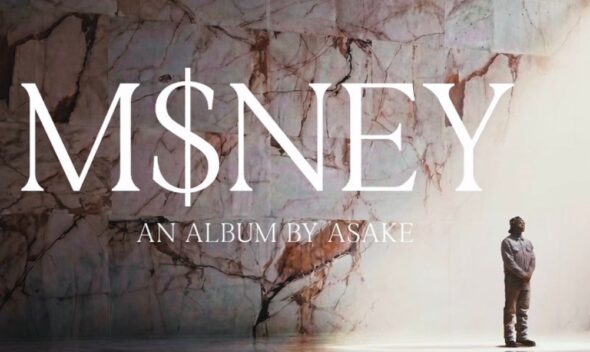
The production credits show a deliberate attempt to broaden his sonic borders. His long-term collaborator Magicsticks still does the heavy lifting, but new hands have joined the forge. DJ Snake adds a global gloss to the opening track, Worship, while Kabza De Small brings an authentic Amapiano texture to Asambe. These additions give the album a reach that extends far beyond the Lagos mainland. It sounds less like a local export and more like a global product. The music is calmer, more deliberate, and significantly more expensive.
Wealth is the central theme, but Asake defines it in a surprisingly humble way. Songs like Money Can’t Buy Happiness (MCBH) and Gratitude pivot away from the typical bravado of the genre. He speaks of emotional peace, prayer, and the heavy burden of success. On Forgiveness, he admits to flaws that most pop stars prefer to hide. He seems to be using his lyrics as a form of public confession. It is an introspective turn for an artist who rose to fame on the back of loud, choral hooks.
The rollout reflected this new obsession with luxury and legacy. He hosted a listening party at a private terminal in the Lagos airport, complete with marble sculptures and sand-toned decor. The event signaled that Asake now views himself as a high-art commodity. His guest list included the elite of Nigerian pop, from Zlatan to BNXN. Yet the album itself remains preoccupied with the internal costs of such an external life. He is questioning the very success that allows him to host parties in airports.
This record-breaking debut suggests that Nigerian listeners value growth over repetition. Many expected a return to the high-tempo Fuji-fusion that defined his early career. Instead, they received a project that demands a more patient type of listening. The numbers indicate that the gamble on a more mature sound has paid off. Asake has proved he can dominate the charts without shouting to be heard. He is now the undisputed benchmark for commercial success in the digital age.