
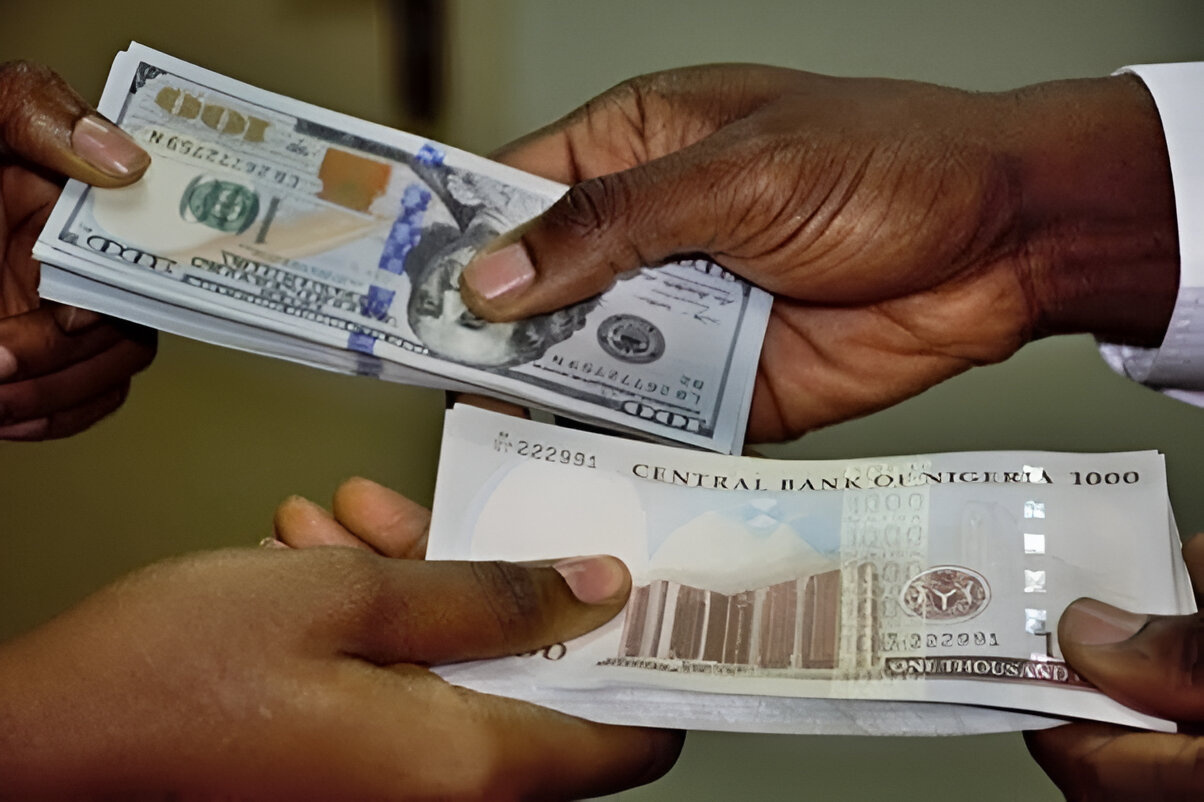
The naira maintains its fragile grip on the 1,370 mark against the American dollar as trading opens this Thursday. Market data from the Nigerian Autonomous Foreign Exchange Market (NAFEM) shows the local currency starting the day at 1370.05. This slight shift follows a week of incremental movements that suggest a cooling of the recent frantic pace of depreciation. Investors now watch for signs of long-term stability rather than sudden gains. The Central Bank of Nigeria continues its struggle to balance supply and demand in a market still hungry for greenbacks.
Foreign exchange reserves remain the primary tool for managing these fluctuations. Official figures suggest the central bank is willing to spend to keep the naira from slipping further into the abyss. This strategy buys time but does not fix the underlying lack of productivity. Local businesses still face high costs for imported raw materials and machinery. These costs eventually pass to consumers who already grapple with stubborn inflation. A stable exchange rate is the first step toward lowering these prices.
Parallel market rates often tell a more honest and brutal story of the economy. While the official rate hovers near 1,370, street dealers continue to ask for a premium. This gap between official and unofficial rates invites arbitrage and distorts economic planning. Policymakers want to close this spread to discourage currency hoarding. Success depends on whether the government can attract enough foreign investment to boost liquidity. For now, the street remains the true barometer for the average Nigerian shopper.
Global oil prices provide the necessary cushion for the federal budget. Nigeria relies on these exports to fund its foreign exchange needs and debt obligations. Any dip in global demand or local production directly threatens the naira’s value. Recent reports indicate production levels are steady, providing a modest sense of security. However, the government must find ways to earn dollars beyond the oil fields. Without diverse exports, the currency remains a hostage to global commodity cycles.
Commercial banks have adjusted their lending rates to reflect the tight monetary environment. High interest rates are meant to suck liquidity out of the system and support the naira. This policy makes it harder for small firms to get the cash they need to grow. The central bank faces a difficult choice between defending the currency and helping the economy grow. Most analysts expect the current high-rate regime to persist through the second quarter. Stability has a price, and for now, the private sector pays it.
Economic reforms are finally moving past the initial shock phase. The removal of fuel subsidies and the floating of the naira were painful but necessary steps. Foreign investors are slowly returning to the Nigerian bond market as yields become more attractive. Their return provides the hard currency the system desperately needs to function. If this trend holds, the naira could see more days of quiet trading. Quiet is exactly what the Nigerian economy needs right now.