
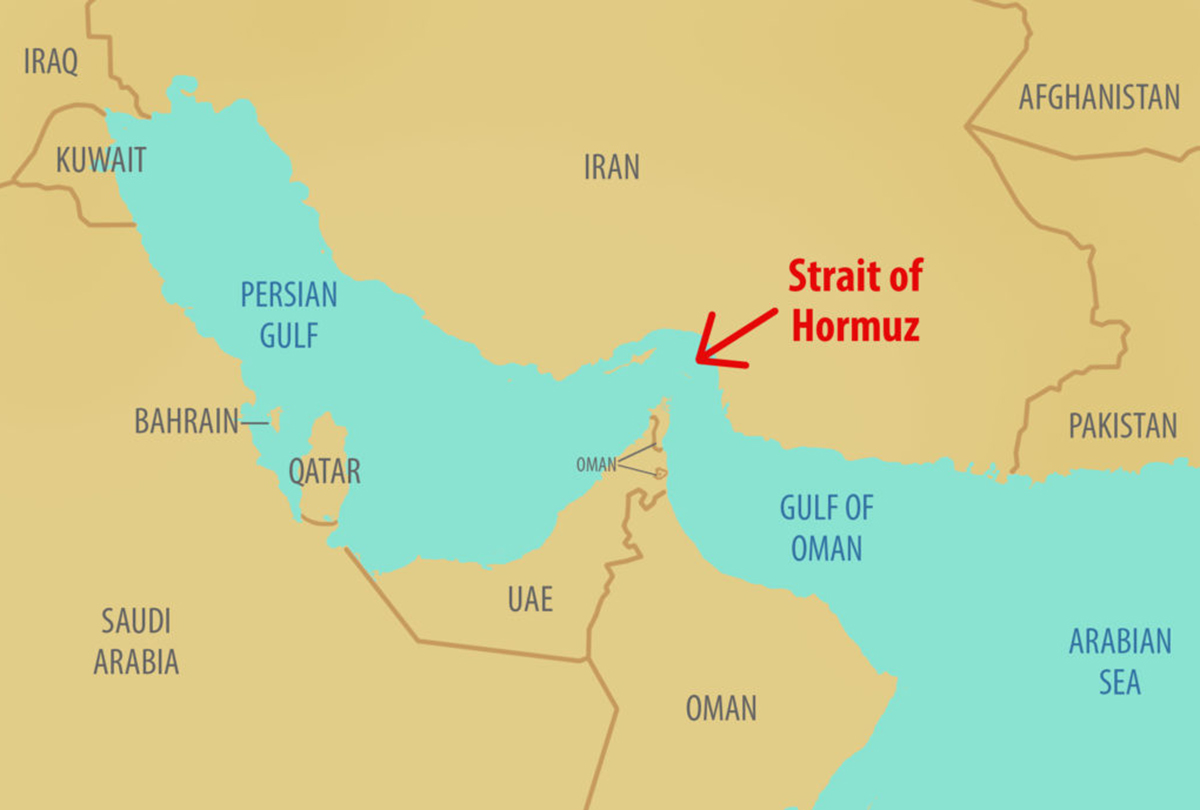
Iran has formalised its grip on the world’s most critical energy chokepoint by launching a new maritime regulatory agency to police the Strait of Hormuz. The Supreme National Security Council announced the creation of the Persian Gulf Strait Authority to manage the waterway. The Islamic Revolutionary Guard Corps Navy backed the announcement, confirming its direct involvement in enforcing the new rules. Tehran has effectively blocked the vital channel since its war with the United States and Israel began on 28 February. This new entity cements its power over global shipping lanes.
The authority will issue real-time operational updates and enforce a strict vetting protocol. Ships wanting to pass through the Strait must now submit a vessel information declaration to the agency. This document must detail ownership, insurance, crew manifests, and exact cargo before operators can receive a clearance code. The mechanism turns an international waterway into a heavily managed toll road under Iranian control.
Tehran intends to collect hefty transit fees from commercial vessels passing through the corridor. The government claims these charges cover specialised services, navigation assistance, and maritime security within its sovereign waters. Some commercial operators have already paid up to 2 million dollars per transit, with transactions settled in Chinese yuan. The state has warned that the route will never return to its pre-war status.
The toll regime has triggered a sharp response from Western authorities. The United States Office of Foreign Assets Control issued an advisory warning that paying Iran for safe passage violates existing sanctions. This warning exposes international shipping firms, insurers, and charterers to the risk of secondary sanctions. Non-American companies that pay the fees face potential exclusion from the American financial system.
The economic blockade has rattled global commodity markets. In peacetime, the narrow strait handles roughly 20% of global oil and liquefied natural gas shipments, as well as vital agricultural fertilisers. Daily transit volumes have plunged from a pre-war average of 140 ships to just nine transits early this month. Most remaining traffic involves vessels with direct Iranian affiliations or nations relying on specific diplomatic carve-outs.
The agency will restrict access based on geopolitical alignment. Iranian officials confirmed that the strait remains closed to countries they consider hostile, specifically targeting vessels linked to the American-led maritime initiative. A fragile ceasefire has been in place since 8 April, but the naval blockade remains active. Tehran is using its geographic advantage to retain leverage over international trade while its own ports face an American counter-blockade.