


Naira Sinks Further as Currency Premium Widens
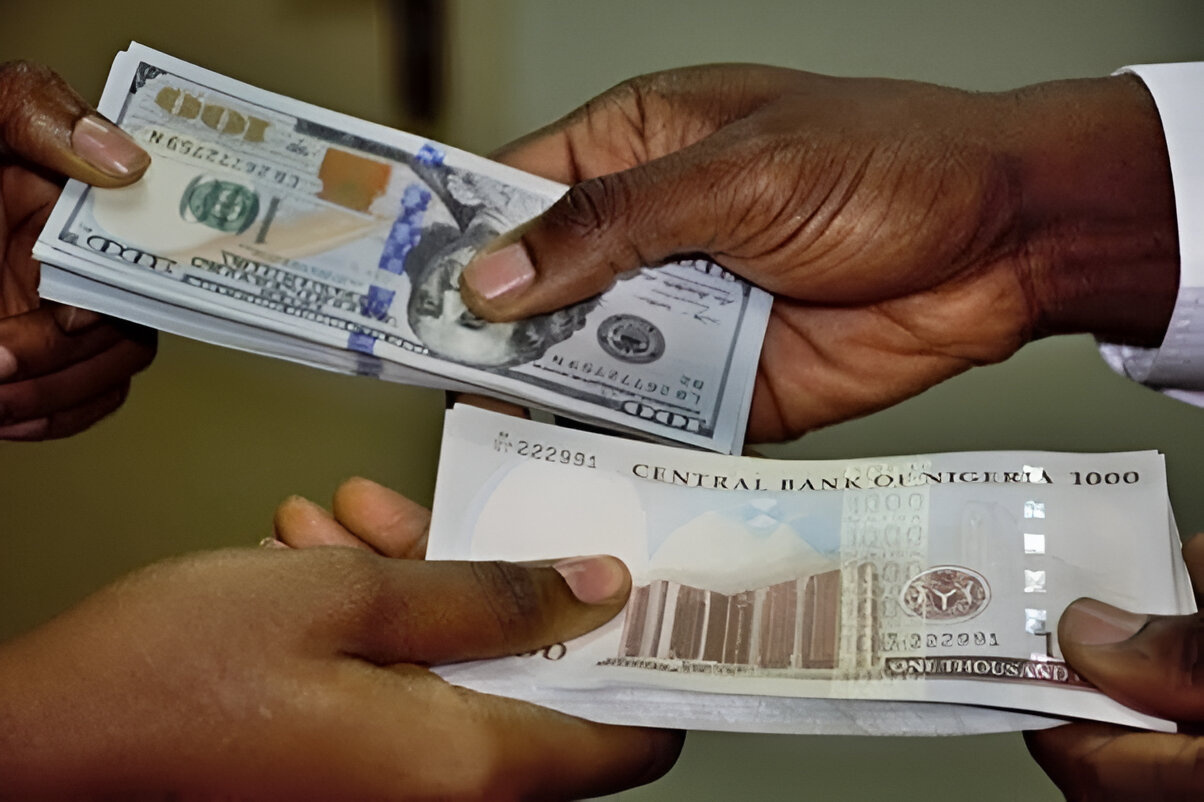
The Naira fell to 1,395 against the American dollar in the parallel market yesterday as foreign exchange supply pressures returned. The local currency slid from the 1,390 rate recorded last weekend. This drop matches a similar decline in the official Nigerian Foreign Exchange Market, where the currency closed at 1,373.5 per dollar. Central Bank of Nigeria data confirmed a 1.5 Naira drop in the official window over the same period. The dual decline shows that recent state interventions are losing their teeth.
The gap between the official and black-market rates has widened to 21.5 Naira per dollar. This growing premium suggests that businesses are returning to unofficial dealers to source their hard currency. A wider margin usually invites speculation and round-tripping by financial institutions. The Central Bank has tried to narrow this gap for months with aggressive interest rate hikes. These numbers show that traders still value immediate dollar liquidity over official promises.
Market activity actually jumped despite the weakening of the local currency. Daily turnover in the interbank market rose by over 57% to reach 76.3 million dollars. This volume increase usually points to a hoarding of dollars rather than efficient distribution. Local factories and importers are rushing to secure funds before prices climb higher. Increased trading volume with a falling price is a classic sign of market panic.
Meanwhile, growing insecurity in the south-west is threatening local economic stability. Teachers and students in Oyo State took to the streets to protest the recent abduction and killing of their colleagues. The academic community is demanding immediate state protection after the latest school raid. These protests reflect a deeper anxiety over the spread of rural banditry into previously safe regions. Rising insecurity invariably drives away foreign investment and complicates economic recovery plans.