
World More Vulnerable To Next Pandemic Than Ever, Experts Warn
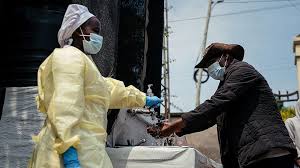
Global health experts have issued a stark warning that the world is now more exposed to a catastrophic pandemic than at any point in recent history, nearly a decade after Ebola and six years after COVID-19 devastated economies and overwhelmed health systems worldwide.
The alarm is contained in a new report by the Global Preparedness Monitoring Board (GPMB), titled “A World on the Edge: Priorities for a Pandemic-Resilient Future,” launched on the sidelines of the 79th World Health Assembly.
The report described a world facing increasingly frequent and destructive disease outbreaks while global preparedness efforts continue to lag dangerously behind emerging threats.
According to the Board, rising geopolitical tensions, ecological disruption, rapid international travel and shrinking development assistance have together created ideal conditions for future pandemics to spread faster and cause deeper health, economic and social damage.
“The world is not safer from pandemics,” the report warned, noting that the next major outbreak could strike societies already weakened by debt, political instability, fragile healthcare systems and declining public trust.
Reviewing major Public Health Emergencies of International Concern over the past decade, including Ebola, COVID-19 and mpox, the Board concluded that the world is moving backwards in critical areas such as equitable access to vaccines, diagnostics and treatments. It noted that mpox vaccines reached many low income countries almost two years after the outbreak began, even slower than the delayed COVID-19 vaccine rollout.
The report also warned that misinformation, politicised responses and attacks on science during Ebola and COVID-19 have left societies more divided and less resilient ahead of future health emergencies, damaging democratic institutions and deepening distrust in governments.
GPMB Co-Chair Kolinda Grabar-Kitarović said the world already possesses the tools needed to prevent another catastrophe but lacks the political will to deploy them.
“The world does not lack solutions. But without trust and equity, those solutions will not reach the people who need them most,” she said, urging political leaders, industry and civil society to translate commitments into measurable progress before the next crisis.
Fellow Co-Chair Joy Phumaphi added that growing global divisions risk making future outbreaks even deadlier. “If trust and cooperation continue to fracture, every country will be more exposed when the next pandemic strikes. Preparedness is not only a technical challenge, it is a test of political leadership,” she stated.
The Board identified three urgent priorities: establishing an independent global mechanism to monitor pandemic risks, guaranteeing equitable access to vaccines through the proposed WHO Pandemic Agreement, and securing sustainable financing for emergency response.
The report concluded that negotiations currently underway around the WHO Pandemic Agreement and a proposed United Nations declaration on pandemic preparedness could determine whether the world is better protected or left dangerously exposed once again.