
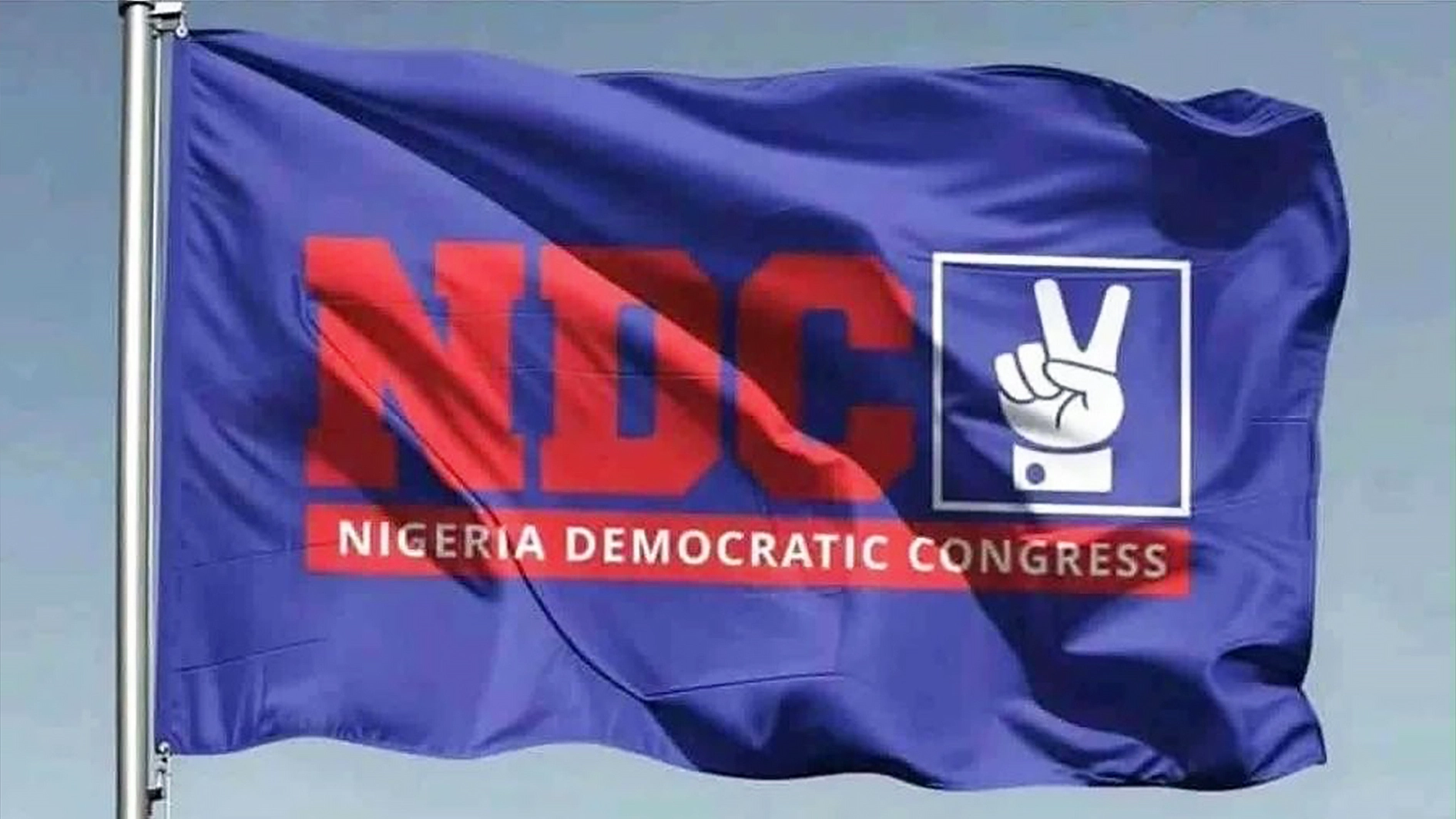
Efforts to calm tensions within the Nigeria Democratic Congress (NDC) have entered a new phase as the party begins a reconciliation process following complaints and disagreements arising from its nationwide primary elections.
The decision was reached during the party’s second National Executive Committee (NEC) meeting, where leaders resolved to engage aggrieved aspirants and party members in a bid to preserve unity ahead of the 2027 general elections.
The move follows criticisms from some aspirants who alleged irregularities, manipulation and the imposition of candidates during the presidential, governorship, National Assembly and state House of Assembly primaries conducted last weekend. The complaints raised concerns about internal cohesion within one of Nigeria’s rapidly expanding political parties.
Responding to the allegations, the NDC leadership rejected claims that the primaries were flawed. In a statement signed by National Secretary Ikenna Morgan Enekweizu, the party maintained that reports of widespread irregularities and candidate imposition were inaccurate and reflected what it described as a misunderstanding of its constitution and internal guidelines.
According to the party, its nomination process was built around consultations and consensus building aimed at reducing conflict while strengthening party structures across the country.
The NDC explained that in the South East, respected political figures and caucus leaders were assigned responsibility for consultations and recommendations based on local political realities. The party identified Chief Onyema Ugochukwu as coordinator for Abia State, former Governor Sam Egwu for Ebonyi, former Governor Okwesilieze Nwodo for Enugu and former Governor Achike Udenwa for Imo. In Anambra State, the process was coordinated through the political structure of the party’s presidential candidate, Peter Obi.
Enekweizu stated that aspirants dissatisfied with recommendations made during consultations retained the right to test their popularity through democratic contests at the grassroots level.
“At no time has the NDC National Secretariat been involved in the business of picking, choosing or imposing candidates on any constituency or state,” he said.
The party further noted that all aspirants were encouraged to engage caucus leaders, stakeholders and grassroots members throughout the nomination process. It also highlighted its affirmative action policy designed to promote greater participation of women in elective offices while supporting serving lawmakers seeking re election.
Reports of aspirants prematurely declaring themselves candidates, alongside complaints regarding aspects of the primaries, have been referred to the party’s Appeal Panel and leadership for review.
The reconciliation process is expected to involve caucus leaders, state chairmen and key stakeholders across the federation. According to the party, the objective is to address grievances, prevent further divisions and strengthen internal unity ahead of future electoral contests.
Since receiving its certificate of registration on February 5, 2026, the NDC says it has established structures from ward to national level, conducted two NEC meetings and organised nationwide primaries for all major elective positions.
The party also claims that, based on its representation in the National Assembly, it has emerged as Nigeria’s second largest political party, a position that could make internal stability a critical factor as preparations for the 2027 elections intensify.Other Suitable Headlines
Nigeria Democratic Congress, NDC, Peter Obi, 2027 Elections, Party Primaries, Ikenna Morgan Enekweizu, National Executive Committee, Internal Democracy, Political Parties, Nigeria Politics