
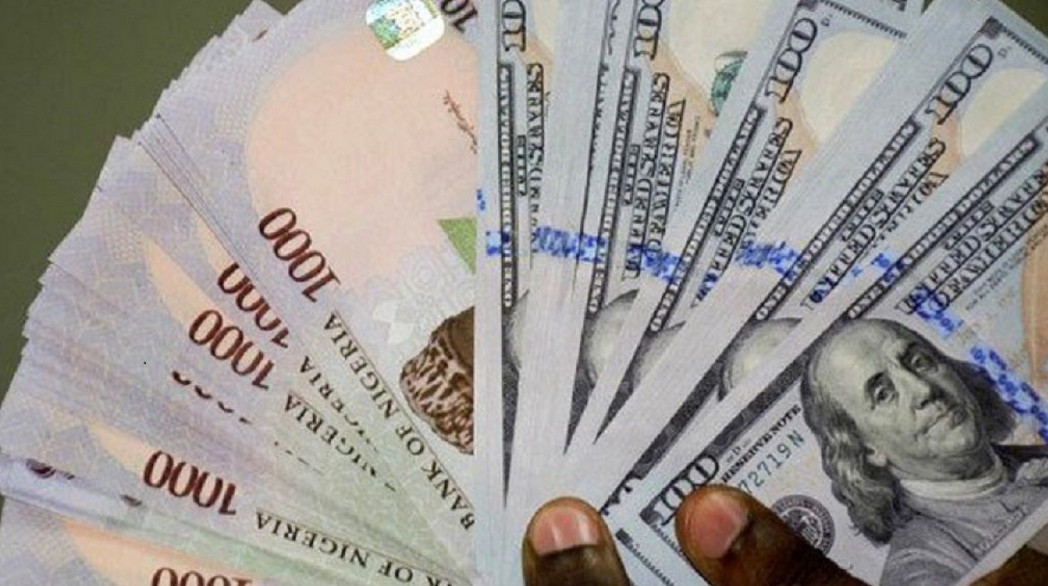
Nigeria’s informal currency market has delivered another sobering reality check to monetary authorities. The naira depreciated to N1,400 per dollar in the parallel market on Monday. This drop from N1,390 over the weekend signals persistent liquidity pressures outside official banking channels. Retail buyers continue to flock to street dealers for quicker access to hard currency. This steady demand keeps the informal premium alive despite state intervention.
A contrasting narrative emerged from the official trading window. The local currency actually strengthened to N1,356 per dollar in the Nigerian Foreign Exchange Market. Data from the central bank revealed an appreciation of N9.40 from the previous weekend rate of N1,365.40. This divergence highlights a widening spread between the official and unofficial rates. Such gaps historically encourage speculative arbitrage and distort domestic price signals.
The renewed weakness in street trading coincides with fresh inflationary concerns. Domestic prices continue to climb, eroding the purchasing power of the local currency. Businesses must spend more naira to buy the foreign inputs they need to survive. Consequently, the rising cost of dollars feeds directly into retail commodity prices across the country. The central bank faces a difficult task in balancing exchange rate stability with inflation control.
Currency dealers attribute the street depreciation to a sudden scarcity of physical dollar bills. Retail buyers often bypass official banks due to rigid documentation requirements and bureaucratic delays. The parallel market remains the preferred destination for small businesses and individuals requiring immediate liquidity. As long as official supply bottlenecks persist, the street market will dictate true consumer sentiment. The informal rate reflects immediate demand rather than administrative hopes.
This economic friction tests the long-term efficacy of current monetary policies. The central bank has used aggressive interest rate hikes to mop up excess domestic cash. While these measures aim to defend the currency, they also increase borrowing costs for local businesses. High interest rates have so far failed to eliminate the persistent demand for dollars. Investors remain cautious about holding long-term naira assets in a high-inflation environment.
Achieving a unified exchange rate remains a distant goal for the government. The structural demand for foreign currency consistently outstrips the supply generated from crude oil sales. Policymakers must find sustainable ways to inject more dollars into the official trading centre. Without a significant boost in autonomous foreign capital, the spread between the two markets will likely persist. For now, the street rate serves as a blunt reminder of ongoing economic imbalances.