

Naira Steady As Reserves Near $51bn, Spread Narrows
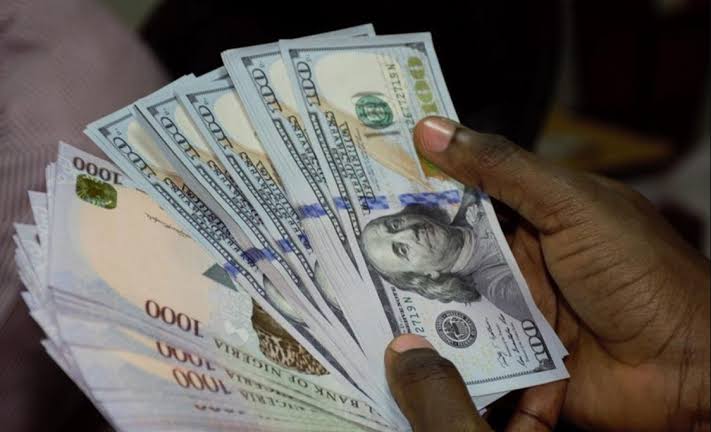
The naira opened the week on solid footing, trading at around ₦1,363.41 to the United States dollar at the official window on Monday, June 22, 2026, as the gap between the formal and street markets stayed unusually slim. The figure, drawn from the Nigerian Foreign Exchange Market, reflects the volume-weighted average that the Central Bank of Nigeria treats as the country’s official benchmark.
In the parallel market, popularly called the black market, the dollar sold for between ₦1,390 and ₦1,400, depending on location, transaction size and dealer quotes across Lagos, Abuja and Port Harcourt. At those rates, $100 fetched about ₦136,341 officially and roughly ₦140,000 on the street, leaving a premium of under ₦40, a far cry from the wide spreads that defined the currency crisis of 2023.
That narrowing tells the larger story. The naira has spent much of 2026 inside a tight band. The currency opened January at ₦1,431 and closed the month at ₦1,391, before ending February at ₦1,368.50 in the official market. Through June it has hovered around the ₦1,360 to ₦1,375 mark, a stability the CBN attributes to its sweeping foreign exchange reforms.
Those reforms trace back to mid-2023, when the new administration unified the exchange rate windows and floated the naira. The currency suffered a steep depreciation in 2024 before settling into its current calmer phase. The CBN’s decision to clear more than $7 billion in foreign exchange backlogs helped restore investor confidence, with total FX inflows reaching $112 billion in 2025.
Reserves have followed the same upward path. Gross external reserves rose to $50.45 billion as of February 16, 2026, the highest level in about 13 years, with CBN Governor Olayemi Cardoso stating that import cover stood at 9.68 months. The apex bank projects reserves will reach $51.04 billion in 2026, up from $45.01 billion in 2025, supported by stronger oil earnings, sovereign bond issuance, diaspora remittances and expanded domestic refining.
Recent policy moves continue to feed dollar supply. The CBN now requires all International Money Transfer Operators to open naira settlement accounts in Nigeria and has lifted restrictions that previously limited oil firms’ access to export proceeds. Workers’ remittances reached $15.466 billion in the first nine months of 2025, while headline inflation eased to 15.1 per cent in January 2026, extending a downward trend from the previous year.
Still, caution remains. Some international observers have argued that the naira’s steadiness remains partly managed by policy interventions, with the central bank continuing to smooth volatility within a more liberalised framework. Market participants also note that relatively low trading volumes can amplify the impact of official interventions on exchange rate stability. Others point to the potential influence of political developments and global market conditions on future capital flows.
For now, the naira’s near-term path will depend largely on dollar supply, oil export earnings, remittance inflows and the CBN’s monetary policy stance. Exchange rates may continue to vary slightly across banks, bureaux de change and parallel market dealers as trading conditions evolve through the day.