


African Nations Push Back Against Raw Mineral Exploitation
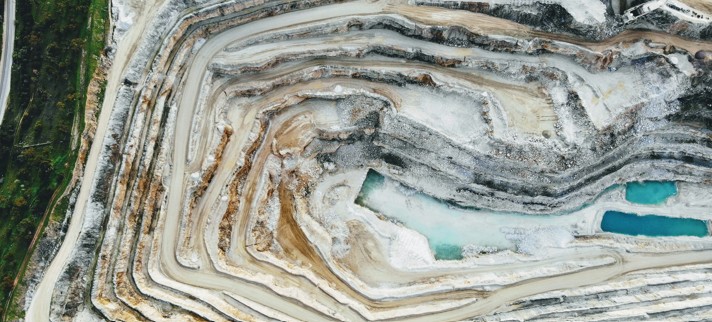
African governments are systematically rewriting the extractive bargain by demanding local processing of their natural resources. From Kenya to Ghana and Mali, states increasingly insist that critical minerals undergo domestic refinement before export. This policy shift targets rare earths, lithium, graphite, copper, and nickel. The global energy transition has triggered an insatiable demand for these materials to power electric vehicles and renewable systems. This supply deficit hands African leaders unprecedented geopolitical leverage to end centuries of economic exploitation.
The old colonial model relied on a brutally simple logic: dig, ship, and buy back the finished product. Today, export restrictions and refining mandates aim to shatter that cycle. Namibia has outright prohibited the export of unprocessed lithium and cobalt. Meanwhile, Mali is building a massive 200-tonne-a-year gold refinery to retain value. Ghana will also command thirty percent of large-scale gold output this month to bolster domestic reserves. This collective defiance marks the dawn of resource nationalism across the continent.
Moving up the global value chain yields astronomical financial rewards. United Nations data reveal that raw lithium ore and brine exports generated twenty billion dollars globally in 2022. Conversely, processed battery packs and electric vehicles commanded over two hundred billion dollars. Capturing these downstream manufacturing stages retains vital revenue and generates skilled employment locally. Expanding higher-value mineral processing could inject an extra thirty-two billion dollars into annual African exports. It could also add twenty-four billion dollars to the continental gross domestic product.
The strategic shift is fueled by a severe global dependency on existing supply routes. China currently dominates the refining process for nineteen out of twenty strategic minerals tracked internationally. Western nations are desperate to secure alternative supply lines, giving Africa immense bargaining power. However, local export bans alone will not guarantee industrial success. Success requires massive investments in stable electricity, transport networks, and technical expertise. Governments must demand complete technology transfer alongside foreign capital injections to sustain this industrial pivot.
Nigeria’s newly operational Dangote refinery offers a stellar blueprint for continental beneficiation. The twenty-billion-dollar facility near Lagos has single-handedly transformed the West African energy landscape. For decades, Africa’s largest oil producer squandered foreign reserves importing refined petroleum products. The mega-refinery now satisfies the domestic market and exports clean fuel across the sub-region. This massive infrastructural triumph has anchored a domestic ecosystem of petrochemical and fertiliser plants. Indonesia achieved a similar economic miracle after banning raw nickel exports five years ago.
Regional integration remains the ultimate prerequisite for long-term continental success. Individual African nations cannot realistically manufacture every single component of a complex battery cell. Copper, cobalt, and manganese are scattered across different geopolitical jurisdictions. The African Continental Free Trade Area must therefore transition from a political aspiration into a functional economic engine. Shared power grids, harmonised standards, and integrated transport corridors will decide the final outcome. Together, African economies can build a formidable industrial base that no single nation could achieve alone.