
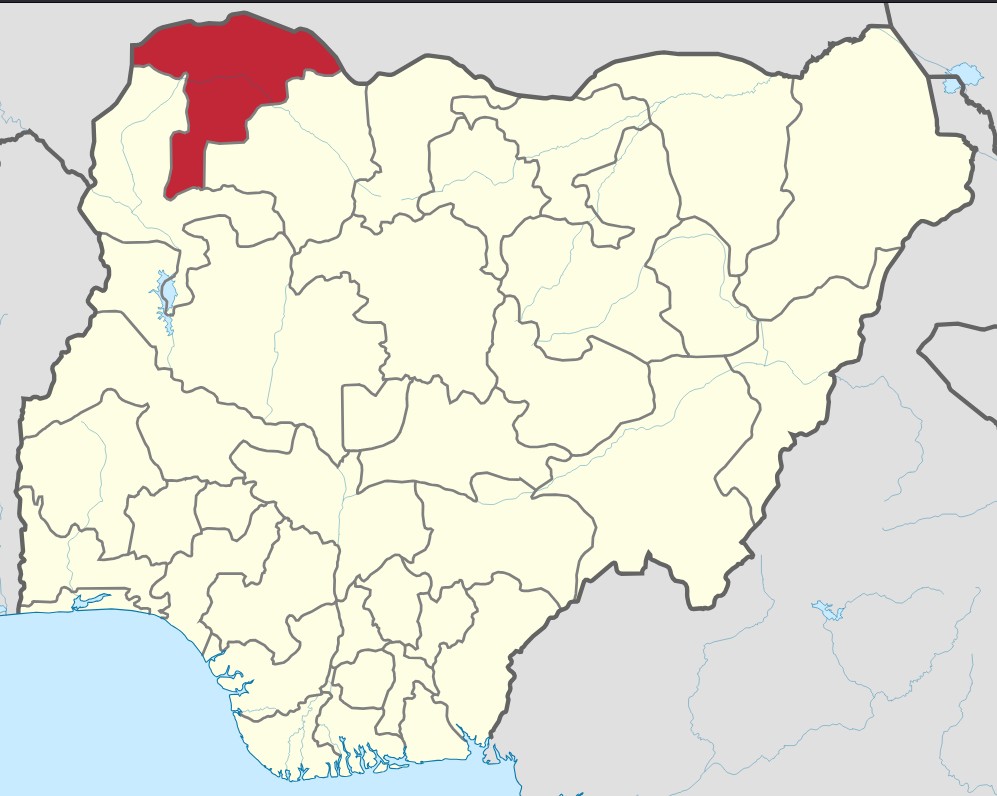
At least twenty-one people were killed, and thirty-seven others abducted when armed bandits sacked a rural community in Sokoto State over the weekend. The assault leaves yet another northern village destroyed while security agencies scramble to respond. Gunmen swept through the settlement unimpeded for hours. Federal declarations of military progress ring hollow across these vulnerable borderlands. Bloodshed in rural communities has become routine. Local administration continues to fail at its primary duty to safeguard human life.
Eyewitness accounts describe a coordinated late-night raid designed to inflict maximum terror on defenseless villagers. Scores of bandits arrived on motorbikes, opening fire indiscriminately before looting food stores and torching residential compounds. The attackers systematically dragged thirty-seven residents into surrounding forest reserves as human shields and bargaining chips. Community leaders had repeatedly warned security posts of suspicious movements near neighboring forest corridors. Official apathy left the community open to slaughter. Tactical military units arrived long after the raiders withdrew.
The Sokoto tragedy underscores the widening security vacuum across Nigeria’s North-West region. Criminal syndicates now operate with near impunity, establishing makeshift taxes and terrorising farming settlements across rural councils. State security personnel remain heavily concentrated around urban centres and political elites. Outlying agrarian districts suffer complete abandonment. Rural citizens must choose between paying protection money or risking sudden massacre. The state has effectively surrendered control over vast hinterlands to armed gangs.
Repeated promises of structural security reform yield minimal change on the ground. Military operations occasionally neutralize isolated bandit camps, yet failed follow-up leaves surviving gang members to regroup quickly. Intelligence sharing between community vigilantes and federal armed forces remains broken and fraught with mutual distrust. Bureaucracy stifles rapid military response times. Soldiers lack the local terrain knowledge that bandits exploit to execute swift retreats. Patchwork security deployments cannot replace sustained, well-equipped frontier garrisons.
The economic fallout from these relentless attacks threatens national food security. Farmers across the North-West continue to abandon fertile agricultural lands out of fear for their lives. Mass displacement drives thousands into makeshift camps, placing additional financial strain on host communities and humanitarian agencies. Rural commerce has largely collapsed across affected local government areas. Food prices will inevitably rise as harvest yields drop sharply nationwide. Insecurity drains economic productivity at the worst possible time.
Political leaders in Abuja must move beyond standard press statements expressing public grief and operational regrets. Restoring security requires real accountability within the military high command and immediate logistics upgrades for frontline troops. Effective border controls are vital to stop the flow of illicit arms from neighbouring regions. Government must rebuild public trust through sustained protection rather than post-tragedy visits. Until federal authorities confront the roots of rural banditry, peripheral communities will continue to burn.