
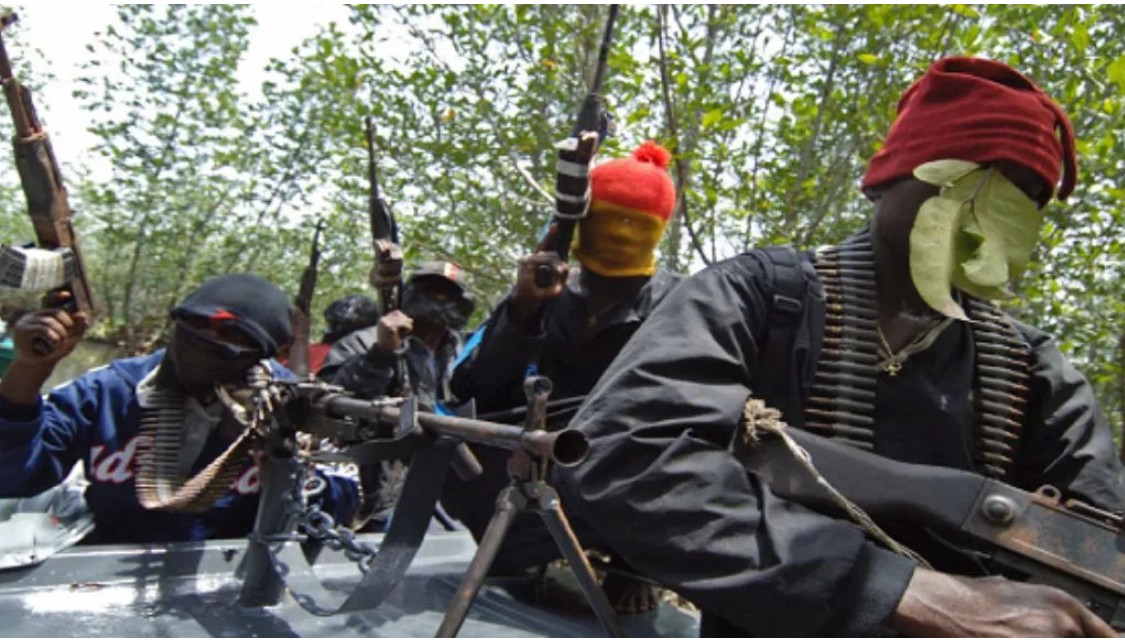
The Nigerian armed forces have recorded a significant surge in the number of surrendering Islamic extremists across the troubled North-East region. High-ranking commanders and combatants from rival insurgent factions have increasingly abandoned their forest strongholds to surrender to frontline military units. State officials credit sustained battlefield pressure and targeted air interdictions for forcing these massive desertions. This tactical contraction has severely weakened the operational capability of the remaining terror cells. Yet independent security experts warn that these battlefield victories carry an underlying structural threat to domestic stability.
Official tracking data reveal that over 124,000 insurgent fighters and their dependents have entered the state amnesty pipeline since 2023. This massive influx pushes the cumulative total of surrenders since 2016 well past the 300,000 threshold. Military planners view these historic numbers as clear evidence that their current counterterrorism strategy is delivering results. Intercepted intelligence shows that acute starvation and severe internal leadership disputes are fracturing the groups from within. Frontline troops continue to secure vast rural sectors as the defensive lines of the adversary collapse. The armed campaign has successfully saved lives by accelerating the pace of militant capitulation.
However, the continuous integration of former combatants into civilian populations behaves as a socio-economic time bomb. The state-sponsored Operation Safe Corridor routinely returns rehabilitated individuals to communities where local infrastructure remains entirely ruined. Displaced victims frequently watch their former tormentors receive financial stipends, medical attention, and vocational tools from official agencies. This stark disparity generates immense psychological friction and deep institutional resentment among traumatised survivors. Local leaders argue that the current framework completely ignores the fundamental moral rights of conflict victims. The policy risks triggering dangerous communal backlashes across the fragile region.
Public resistance to the unconditional amnesty strategy continues to grow as displacement camps languish in severe poverty. The governing reintegration framework focuses heavily on the psychological rehabilitation of perpetrators while neglecting the long-term restitution of host communities. Over three thousand former fighters have successfully graduated from the specialised transition camps to enter the domestic labour market. Yet millions of ordinary citizens remain trapped in squalid conditions without access to basic agricultural land or clean water. True communal healing remains impossible when the state prioritises the welfare of offenders over survivors. The current approach essentially rewards historic violence with state patronage.
Defeating the insurgency requires far more than recording high surrender statistics on a ledger. The federal administration must introduce strict judicial oversight to separate low-risk foot soldiers from hardened war criminals. Lasting regional stability depends on providing immediate, tangible economic compensation to the victimised populations. Military pressure can successfully clear the forests, but it cannot repair the broken social contract in provincial towns. For now, the security apparatus prefers the rapid visibility of mass defections to the patient work of institutional justice. The continuous influx of repentant militants will ultimately test the social tolerance of the nation.