
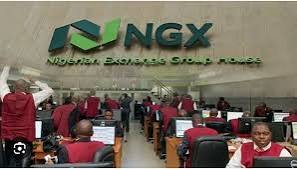
Trading data released by the Nigerian Exchange Limited (NGX) for the week of 3 to 7 August 2026 shows that a small cluster of stockbroking firms continues to control the bulk of activity on the bourse, a pattern that mirrors the broader concentration already visible across Nigeria’s equities market this year.
According to the exchange’s broker performance figures, the top 10 stockbroking firms jointly executed N141.62 billion in transactions across equities, fixed income and Exchange Traded Funds (ETFs) during the week, representing 50.71 per cent of total trading value. CardinalStone Securities Limited led the equities segment with N41.58 billion in trades, or 14.95 per cent of the segment’s value, ahead of First Securities Brokers Limited with N18.39 billion and CSL Stockbrokers Limited with N12.85 billion. Cordros Securities, Stanbic IBTC Stockbrokers, Coronation Securities, Lambeth Capital, Meristem Stockbrokers, United Capital Securities and Readings Investments completed the top 10, which together accounted for just over half of all equity turnover for the week.
The concentration was far sharper in fixed income, where the leading 10 brokers controlled 96.41 per cent of turnover. Finmal Finance Company Limited topped that segment with N78.36 million, about a third of total deals, followed by Arthur Steven Asset Management with N51.89 million and CardinalStone with N29.70 million. In the ETF category, a comparatively young but fast growing segment as more Nigerian investors seek diversified, low cost exposure, Lambeth Capital Limited led with N330.88 million, representing roughly 32 per cent of the market, trailed by Atlass Portfolios and CardinalStone. The top 10 ETF brokers combined for 87.42 per cent of segment value.
Across all asset classes, CardinalStone Securities retained overall market leadership with total transactions worth N41.71 billion, or 14.93 per cent of combined turnover, ahead of First Securities Brokers and CSL Stockbrokers.
The figures land against the backdrop of a stock market having one of its strongest years in decades. NGX market capitalisation stood above N150 trillion by early August 2026, up sharply from under N30 trillion when President Bola Tinubu took office in May 2023, and the All Share Index has posted a first half 2026 return in the region of 47 to 57 per cent, ranking Nigeria among the best performing equity markets in the world alongside South Korea’s KOSPI. Nigerian Exchange Group’s chief executive, Temi Popoola, has projected market capitalisation could approach N230 trillion by the close of the year, citing banking recapitalisation, anticipated big ticket listings such as Dangote Petrochemicals, and renewed foreign investor participation, which reportedly accounted for around 60 per cent of turnover in March 2026.
That broader rally has itself been narrowly held. Separate NGX data from earlier in the year showed the 10 largest listed companies by market value accounting for more than 70 per cent of total market capitalisation, a concentration that analysts have flagged as a structural feature of the Nigerian bourse rather than a temporary anomaly. The latest broker rankings suggest a similar pattern on the intermediary side of the market, where a relatively small number of stockbroking houses, several of them repeat leaders across multiple weekly reporting periods, continue to command a disproportionate share of both equity and fixed income dealing.
Analysts tracking the exchange have long noted that such concentration, whether among issuers or brokers, raises questions about the depth and breadth of retail participation even as headline index numbers improve. Whether that pattern shifts as the exchange pursues its stated ambition of broadening domestic investor participation and onboarding new listings before the end of 2026 remains something market watchers will be tracking in subsequent weekly broker reports.