
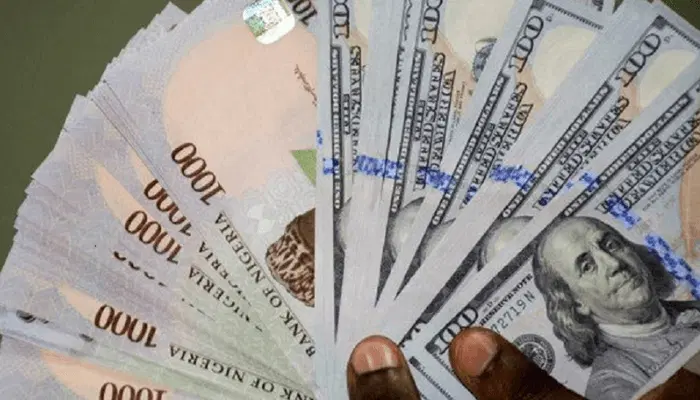
The Naira opened the trading week on a stronger footing at the official foreign exchange market, gaining N5.54 against the United States dollar. Official figures from the Central Bank of Nigeria show the local currency strengthened to reverse recent losses. This modest uptick offers brief respite after a period of sustained volatility across the official window. Traders attribute the gain to improved liquidity and measured intervention by monetary authorities. The exchange rate remains a central pressure point for domestic prices and corporate planning across Nigeria.
Foreign exchange supply in the official market showed signs of improvement as institutional sellers met immediate demand. Market participants traded with cautious optimism following recent shifts in central bank strategy to clear backlogs. The gap between the official and parallel market rates continues to challenge policymakers seeking full convergence. Importers face persistent hurdles accessing adequate greenbacks, which keeps alternative channels active and expensive. The current gain signals temporary stability, but underlying demand pressures endure.
Inflationary pressures remain closely tied to exchange rate fluctuations given the country’s heavy reliance on imported goods. A stronger Naira helps reduce the landing cost of essential items, including refined fuel and industrial inputs. Yet businesses struggle to plan long-term due to frequent rate shifts and unpredictable dollar availability. Local manufacturers continue to call for clear forex allocation frameworks to safeguard production lines. The currency’s modest rebound provides immediate relief, but sustained recovery requires deeper economic fixes.
Central Bank officials continue to implement measures aimed at stabilising the currency and boosting foreign reserves. Interest rate adjustments and tighter liquidity management form the core of recent policy moves. Critics argue that foreign portfolio investments offer only short-term capital inflows rather than durable economic strength. Real sector growth and increased export revenue remain vital to securing lasting exchange rate stability. Policymakers must balance a tight monetary stance with the need to stimulate domestic output.
The foreign exchange market remains sensitive to external shocks, including global crude oil price movements and interest rate decisions abroad. Higher oil output would bolster Nigeria’s gross foreign reserves and strengthen the central bank’s defense of the local unit. However, persistent crude theft and infrastructure bottlenecks limit the country’s ability to maximize export earnings. Foreign investors keep a close eye on policy consistency before committing long-term capital. Without structural trade improvements, currency gains will likely stay fragile.
Traders expect the Naira to move within a tight band over coming sessions as market forces settle. The central bank’s stance will dictate whether this upward push develops into a broader trend. Market participants want deeper structural reforms to fix structural foreign exchange shortages. Price stability remains the primary metric by which citizens evaluate the success of monetary policy. For now, the modest gain buys time for monetary authorities.