
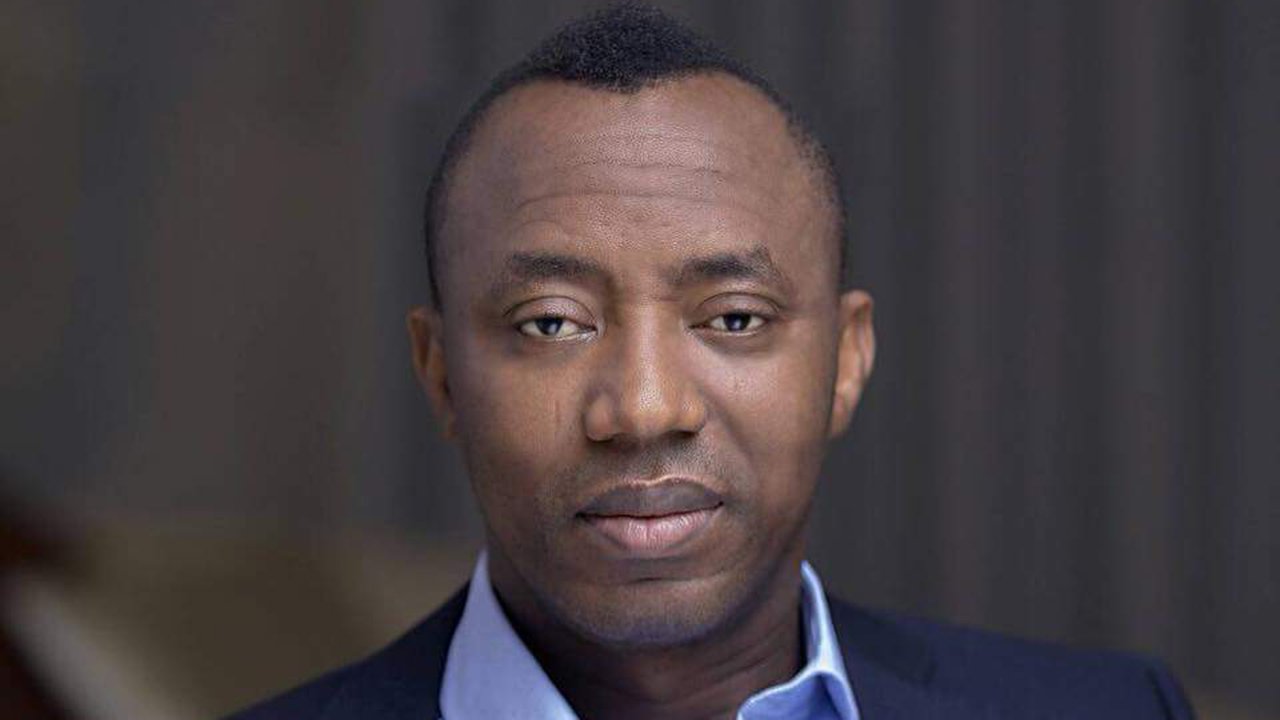
Omoyele Sowore has pledged to restore Nigeria’s petrol subsidy if he wins the presidency. The African Action Congress politician argues that removing the price cushion has driven millions of citizens into deep economic distress. His declaration directly challenges the central economic policies of the current administration. President Bola Tinubu scrapped the decades-old support program in May 2023 to free up state cash and stem fiscal leakages. Yet Sowore contends that the move simply transferred state inefficiency directly onto vulnerable households.
The presidential candidate insists that the state must protect citizens from harsh market forces until domestic refining capacity stabilizes. He maintains that government spending on fuel support serves as a necessary social safety net rather than a wasteful drain. Under his proposed framework, state funds would directly cushion pump prices to drive down transport costs and curb soaring inflation. Opponents often brand subsidy restoration as fiscal suicide that would drain national coffers and spook foreign capital. Sowore rejects those warnings, claiming that curbing corruption in petrol distribution would easily fund the scheme.
Energy policy remains a fierce battlefield as Nigerians grapple with high living costs following recent structural reforms. Fuel prices have surged dramatically since the subsidy ended, pushing food prices and freight charges to record levels. The government promised that savings from the scheme would fund health, education, and critical transport projects. Critics argue that ordinary citizens see few benefits while bearing the full weight of higher prices. Sowore capitalizes on this public anger to build momentum for his populist economic platform.
Re-establishing the policy would require a total overhaul of the country’s downstream oil sector and fiscal management. The government would need to allocate billions of dollars annually to cover differential landing costs for refined petrol. Fiscal conservative groups warn that such spending would balloon national debt and starve key infrastructure of vital funding. Sowore counters that fixing public refineries and plugging oil theft would naturally bring down local production costs. His strategy hinges on domestic processing power to reduce dependence on costly imported refined products.
The debate exposes deep ideological divisions over how to manage Africa’s top petroleum producer. Market-led reformers insist that deregulating the energy sector is the only path to long-term economic stability. Populist politicians insist that state intervention remains vital given the absence of strong social welfare systems. Business leaders warn that policy flip-flops destroy investor confidence and stall capital commitment across energy markets. How candidates address energy security will heavily shape the political discourse ahead of upcoming electoral contests.
Sowore’s bold promise will test voters’ appetite for radical economic policy shifts. Economic analysts will scrutinize his funding models to assess whether the plan holds up under fiscal reality. The candidate plans to take his message directly to labor unions and organized student bodies across the country. Meanwhile, citizens continue to pay high prices at pump stations while monitoring political promises. Energy pricing remains the ultimate test of political popularity in Nigeria today.