
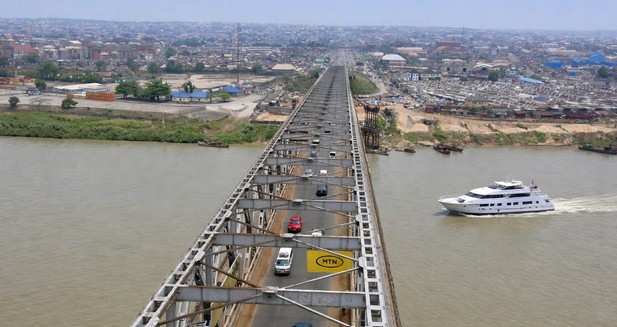
Persistent downpours have forced the Federal Ministry of Works to postpone the reopening of the First Niger Bridge. The steel span, which links Onitsha in Anambra State to Asaba in Delta State, was shut down on 7 September for emergency repairs. Federal engineers had promised to hand the river crossing back to commercial traffic on Monday, 21 September. Heavy rain washed away newly laid materials, leaving contractors stranded without dry asphalt. Commuters along the vital eastern corridor must now endure at least another week of detours, gridlock, and inflated transport fares.
The weather made a mockery of official repair targets. Acting Federal Controller of Works in Anambra State, Timothy Emenike, confirmed that contractors cannot complete the final surface layers in the wet. Waterlogged the bridge deck, stripped away fresh patches, and halted paving machines. Emenike noted that engineers need at least three consecutive sunny days before they can resume asphalt work. Tropical downpours in late September rarely grant construction crews such tidy weather windows. Bad weather always outguns bureaucratic timetables.
The closure exposed the fragile state of federal road maintenance. Decades of neglect and unchecked scrap metal theft stripped the 59-year-old river crossing of its structural hardware. Thieves stole heavy iron railings, cut out steel truss nuts, and removed critical expansion joint fittings. The current maintenance intervention attempts to replace those stolen fittings and install surveillance cameras to deter scavengers. Securing an old bridge with cameras matters little when state planners schedule delicate deck repairs during the height of the rainy season.
Commercial transport drivers bear the immediate financial pain of the delay. Vehicles divert across the Second Niger Bridge through Obosi, burning expensive fuel along congested access corridors. The extra miles add hours to regional journeys and push passenger fares through the roof. Inter-state haulage drivers spend entire afternoons idling in long queues, waiting for bottlenecks to clear. When transit hubs stall, food prices in nearby markets climb within hours.
The disruption shows that two bridges across the River Niger still cannot guarantee seamless travel. The Second Niger Bridge carries long-distance traffic between the South-West and South-East, but its feeder roads remain incomplete. Local traders, petty hawkers, and small taxi operators depend on the older river crossing for daily business between Onitsha and Asaba. Diverting that local traffic onto bypass routes simply creates gridlock on alternate roads. Poor urban planning turns simple detours into commercial logjams.
Site logistics plagued the repair effort from the very first shift. Contract workers struggled with poor lighting, lack of security cover, and delayed material deliveries across the riverbanks. Site supervisors could not run round-the-clock shifts because darkness and damp made night operations hazardous. The ministry ordered fresh asphalt, yet supply lorries failed to deliver consignments on schedule. Frugal project management often produces expensive delays in the field.
The Federal Ministry of Works under Dave Umahi must now rethink its inspection tour. Umahi had planned to inspect the finished road deck in person this week to authorise the reopening. That ministerial ribbon-cutting must wait while engineers watch the sky for dry weather. Political leaders like quick infrastructure victories, but physical road building obeys physics rather than public relations statements. Rushing wet asphalt onto a bridge deck only guarantees potholes by Christmas.
Federal authorities must use the delay to rethink how they manage major public transit links. Closing the nation’s busiest commercial crossing without workable traffic alternatives punishes the very citizens the state claims to help. The ministry must fix feeder roads, deploy disciplined traffic wardens, and provide round-the-clock lighting on site. Until the rain eases and asphalt rollers finish their runs, the economic cost of the closure will continue to climb. A bridge that sits idle empties pockets on both sides of the water.