
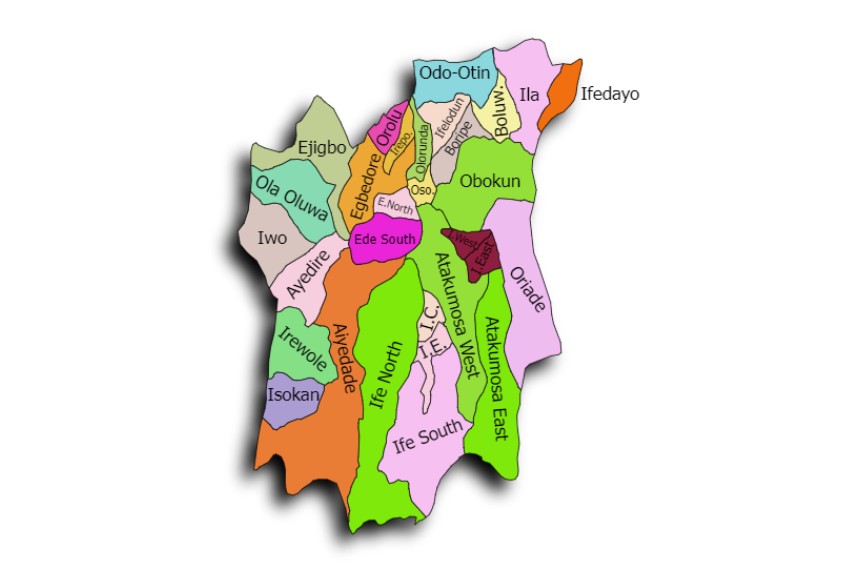
Five people died in Osun State after rival cult groups engaged in a bloody gun battle across residential neighborhoods. The violence erupted in the Ilesa metropolis, where armed gang members opened fire during a bitter turf dispute. Terrified residents fled for safety as the warring factions exchanged heavy gunfire across public streets. Local police patrols responded to emergency distress calls, surrounding the affected areas to restore order and recover victims’ bodies. The killings highlight a worrying surge in gang violence as political tension rises across the state.
Preliminary police investigations show the clash involved long-standing rivalries between prominent secret cult fraternities operating within the region. Tactical response teams deployed by the state command recovered live ammunition, expended cartridges, and abandoned weapons from the crime scene. Detectives have launched a widespread manhunt to track down fleeing gang leaders responsible for ordering the hit. Officers mounted road checkpoints around major transit routes to intercept suspects attempting to slip out of the town. The police command warned that anyone harbouring fleeing criminals would face full criminal prosecution.
Violent cult clashes have become a persistent security headache across several urban centers in southwestern Nigeria. Young men are routinely recruited into criminal networks through coercion, promises of protection, or political patronage. Local communities often bear the tragic brunt of these feuds, as stray bullets frequently strike innocent bystanders and shop owners. Community leaders criticize the government’s reactive security strategy, demanding permanent police posts in known violent flashpoints. Without sustained community policing, security forces only manage temporary lulls between recurring bloody outbreaks.
The timing of the violent outburst raises severe concerns for security managers preparing for upcoming state elections. Political factions in the region frequently employ local cultists as private enforcement squads to intimidate opponents and control voting precincts. Critics accuse local politicians of funding these armed groups during election cycles, only to lose control of them afterward. Security agencies face intense pressure to dismantle these illegal networks before election day. Failing to disarm street gangs risks compromising public safety during crucial democratic exercises.
Local civic groups have repeatedly called for comprehensive youth intervention programs to counter cult recruitment across Osun. Chronic unemployment and inadequate access to tertiary education leave thousands of young citizens vulnerable to gang influence. Police crackdowns temporarily disrupt operations, but they fail to address the social conditions driving gang membership. Sustainable safety requires combining tough law enforcement with targeted economic opportunities for at-risk youth. Until state authorities address these root causes, violent turf wars will continue to shatter public peace.
Police commanders insist that law enforcement teams will maintain a visible presence in Ilesa to prevent reprisal attacks. Tactical units continue intelligence-led sweeps through suspect hideouts to apprehend key gang operatives. Residents remain on high alert, calling on state authorities to ensure permanent security across vulnerable neighborhoods. The community now prepares to bury five more victims of senseless gang warfare.