
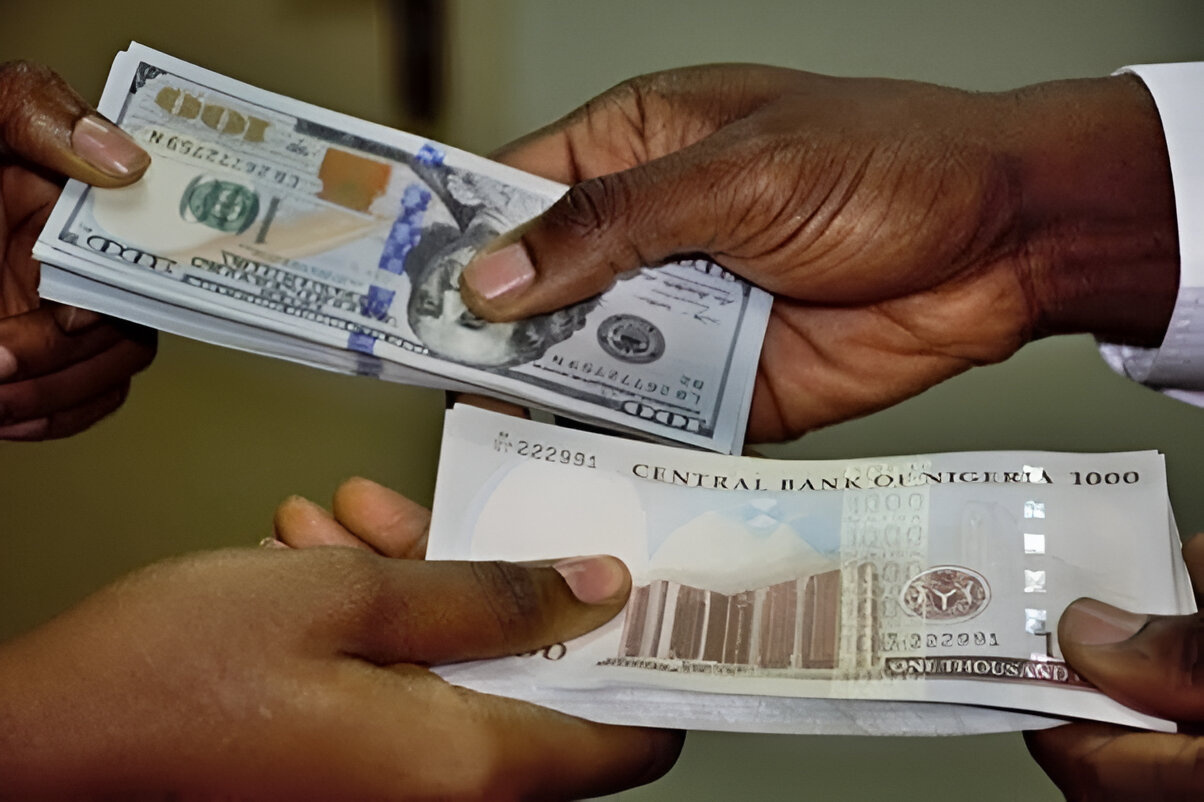
The Nigerian naira opened trading at 1,332.47 to the United States dollar on the official Nigerian Foreign Exchange Market on Wednesday, 14 October, whilst informal currency dealers across Broad Street in Lagos and Wuse Zone 4 in Abuja sold physical notes to retail customers at 1,375 naira. Parallel market desks never run dry. Central Bank Governor Olayemi Cardoso continues to defend this formal price band with targeted foreign exchange injections from external reserves, but this bureaucratic stability offers cold comfort to domestic manufacturers who must pay steep black market premiums to fund foreign raw materials, spare parts, and industrial production equipment.
Street traders in major commercial hubs currently buy paper dollars at 1,365 naira and sell them at 1,375 naira, locking in a persistent spread of forty-two naira that encourages opportunistic traders to exploit the margin between banking desks and the pavement. Scarcity always feeds lucrative grey markets. Parents who settle overseas university tuition bills, merchants who clear cargo containers at southern maritime ports, and citizens who travel abroad for emergency healthcare shun formal banking counters because risk-averse commercial lenders demand exhaustive documentation and impose weeks of frustrating administrative delays before they release even modest sums of foreign currency.
International crude benchmarks, which recently pushed Brent crude past 106 dollars per barrel amid military strikes and tanker skirmishes across Middle Eastern maritime choke points, should theoretically flood the Nigerian treasury with oil receipts, yet stubborn crude theft and infrastructure decay across the Niger Delta prevent state authorities from accumulating decisive dollar buffers. High oil prices deliver little relief. State energy managers still spend enormous chunks of their export earnings on foreign refined petrol and diesel because domestic refinery units have yet to eliminate fuel import dependence, generating an expensive drain that swallows the very hard currency the monetary authority requires to defend the domestic exchange rate.
The monetary policy committee in Abuja retains aggressive borrowing rates to lure foreign portfolio capital into local sovereign debt instruments, but this expensive credit regime punishes domestic business owners who already battle erratic power supplies, crumbling transport corridors, and rising corporate taxes. Costly loans choke real economic production. The Lagos Chamber of Commerce and Industry and the Manufacturers Association of Nigeria warn that commercial bank lending charges near thirty per cent destroy factory balance sheets and compel distributors to pass every import price increase directly to hard-pressed households that already struggle to afford basic bread and transport.
President Bola Tinubu faces intense political pressure over this monetary arrangement as rival political parties lay the groundwork for the 2027 general election, because ordinary citizens evaluate economic governance by the cost of food, petrol, and domestic transport rather than by central bank balance sheets or external debt statistics. Voters remember their empty dinner tables. Central bank directors must eventually decide whether they will deplete precious foreign reserves to preserve this artificial 1,332 peg or allow the naira to find its true market clearing level, because monetary history shows that bureaucratic exchange controls cannot permanently resist the cold mathematics of commercial supply and demand.