
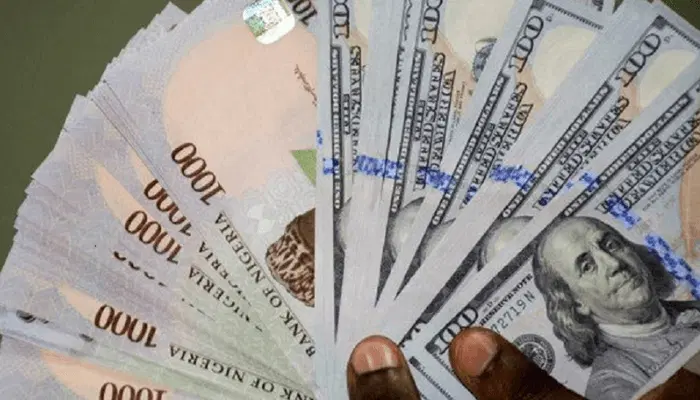
The Nigerian naira slipped to 1,362 per greenback in street trading on Wednesday, 7 October 2026, even as the legal tender gained modest ground inside official banking windows. Data from the Nigerian Foreign Exchange Market show the official rate firmed to 1,331.50 per dollar, carving out a modest gain of 1.40 naira after heavy institutional demand drove interbank trading turnover up by 334.8 per cent to 313.6 million dollars. Divergent currency windows test market nerves.
The sudden parallel retreat widened the spread between official and informal desks to 30.50 naira, reversing the tight convergence that monetary authorities achieved earlier in the week. Currency dealers in Lagos and Abuja adjusted their retail ask prices upward as private travellers and small shopkeepers rushed to buy cash dollars ahead of anticipated import deliveries for the final quarter. Bureau de change operators understand that formal liquidity surges rarely satisfy retail hunger.
Heavy interventions by the Central Bank of Nigeria continue to anchor formal banking rates through high statutory borrowing charges that lock surplus cash inside commercial vaults. Foreign portfolio funds find these double-digit yields attractive, pumping billions into local debt instruments to pocket fat returns while global central banks lower borrowing costs across London and New York. Hot money always leaves quickly.
Yet manufacturing directors struggle to access affordable credit because central bank rate hikes push commercial overdraft charges well past thirty-five per cent. Big firms can tap the liquid official window for raw material consignments, while smaller enterprises rely on street kiosks to finance simple overseas trade orders. Monetary stability on paper does not translate into cheaper factory production.
Governor Olayemi Cardoso faces a tough battle to keep the currency spread from expanding further as holiday import demands gather momentum across commercial hubs. Monetary authorities cannot rely entirely on volatile foreign carry trades and expensive liquidity drain operations to protect the legal tender if domestic crude shipments remain weak. Currency bandages never mend broken foundations.