
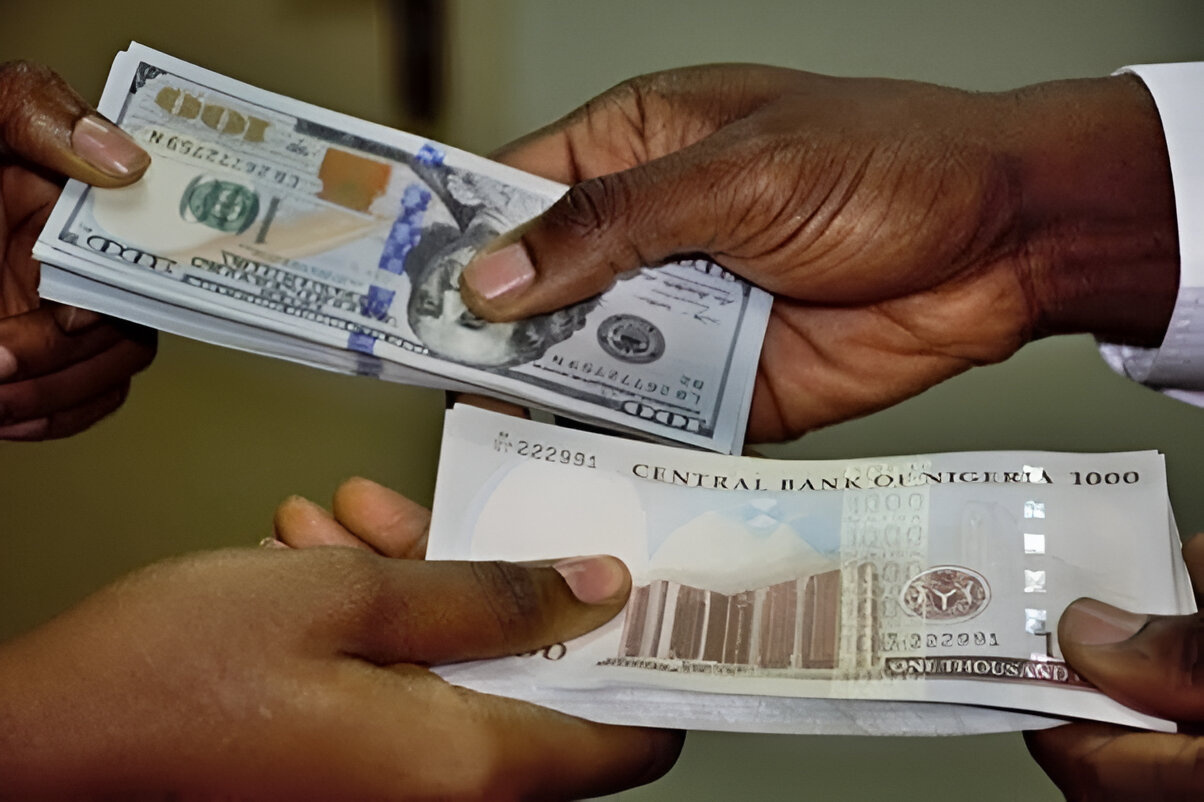
The naira hovered near 1,324.70 to the American dollar on Wednesday morning as chronic foreign exchange tightness continues to test the currency reforms of the Central Bank of Nigeria. Spot trading across early deals saw the domestic unit edge between 1,323.80 and 1,329.00 before settling around 1,324.70 in the official market. That movement follows modest official depreciation at the Nigerian Autonomous Foreign Exchange Market earlier in the week, where the currency closed at 1,331.25 per dollar. Informal street desks in Lagos and Abuja offered dollars at a wider discount, changing hands near 1,373 naira. Currency calm remains fragile.
Central bank governor Olayemi Cardoso continues to defend a managed float designed to eliminate multiple exchange windows and attract foreign portfolio flows into domestic debt instruments. High interest rates have drawn billions of dollars into treasury bills, but those volatile flows retreat whenever global risk appetites sour or local inflation spikes. Local importers still scramble to buy greenbacks to settle overdue invoices for refined fuel, factory components, and essential food items. That commercial appetite constantly outstrips genuine autonomous dollar liquidity in the banking system. The market clears only through quiet central bank intervention.
A parallel market gap of roughly fifty naira per dollar demonstrates that many retail buyers still cannot tap formal banking desks for travel allowances and tuition payments. Bureau de Change operators report consistent demand from small merchants who find the official documentation tedious and slow. While that premium remains far narrower than the cavernous spreads of previous years, its persistence shows that retail users do not trust official access channels. Retail traders still seek physical cash. When ordinary citizens cannot buy dollars over bank counters, street operators set the pace.
The currency’s fortunes track Nigeria’s struggle to ramp up crude oil production and plug domestic refinery shortfalls. While crude flows hover near 1.4 million barrels per day, high security costs and pipeline sabotage keep gross hydrocarbon revenues below fiscal projections. Marketers also require vast dollar lines to finance imported finished goods until domestic refining reaches full commercial volume. The federal treasury cannot print foreign exchange. Until export earnings expand beyond crude oil shipments, the naira will remain vulnerable to sudden external shocks.
Businesses across Nigeria must now manage operating budgets under a volatile exchange regime that drives up factory input costs and consumer prices. Commercial banks have tightened trade credit, forcing manufacturers to pass currency losses directly onto households already battered by high living costs. Monetary authorities insist the currency will stabilise as offshore investment settles into local sovereign debt. Yet portfolio capital remains fickle, leaving the real economy to absorb the daily pain of an expensive dollar. Currency stability requires real factory exports.