
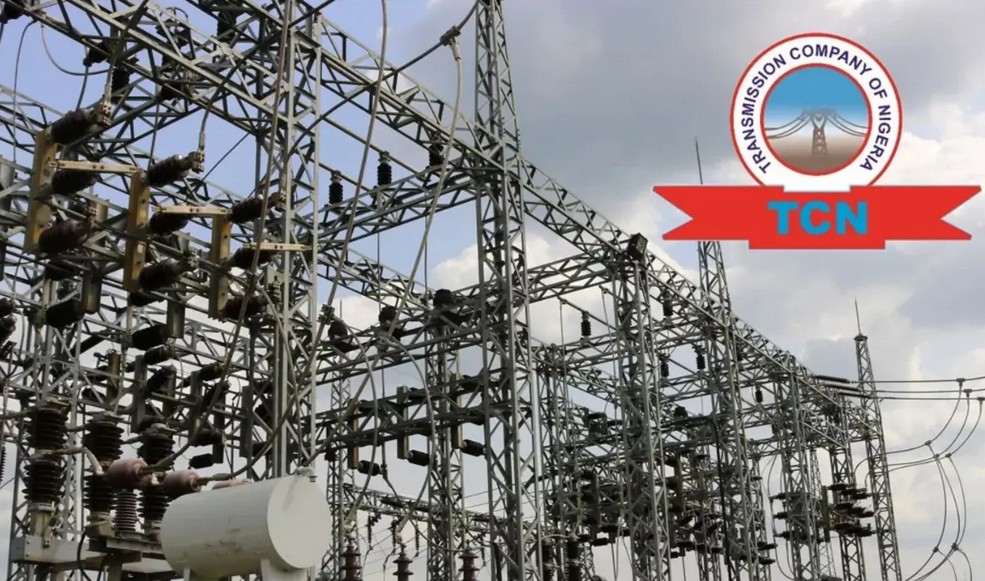
The Transmission Company of Nigeria launched a comprehensive anti-corruption policy package in Abuja on Tuesday, attempting to purge graft from the state monopoly that wheels electric power across the country. Managing Director Sule Abdulaziz rolled out four separate rulebooks covering anti-bribery, anti-money laundering and fraud, conflict of interest, and whistleblowing protections. Speaking through his human resources director, Abiodun Afolabi-Fadahunsi, the transmission chief told staff that corporate credibility depends entirely on how the utility conducts everyday operations. Clean books do not generate power. Yet the company insists institutional probity forms the bedrock of a functioning electricity grid.
The state electricity carrier occupies a precarious slot in Nigeria’s unbundled energy value chain. Private generation plants produce the power, private distribution firms sell it to consumers, but the state-owned transmission network remains the fragile highway linking both ends. Billions of dollars in foreign loans and federal budget allocations have flowed into grid expansion schemes over two decades without eliminating recurrent system collapses. Industry critics routinely point to procurement padding, inflated equipment contracts, and opaque vendor selection as structural leaks that swallow public capital. The new policy code aims to formalise ethics across these high-stakes financial pipelines.
The internal Anti-Corruption and Transparency Unit, led by Benibo Erakevwe, designed the fresh framework to help staff report bribery, spot fraud, and resist managerial favouritism. Erakevwe conceded at the unveiling that the finest operational code achieves nothing by sitting on an office shelf. That blunt assessment cuts to the heart of civil service reform across Nigeria. State entities produce slick manuals on integrity with clockwork regularity, but independent enforcement mechanisms rarely follow. Without binding legal consequences for senior managers who sign off on compromised contracts, ethical frameworks quickly reduce to public relations exercises.
The new whistleblowing guidelines promise internal protection for junior workers who report financial misconduct, an essential safeguard inside a bureaucratic culture where dissent invites retaliation. Many workers still stay silent because past tip-offs led to punitive transfers or lost promotions. For the new rules to work, company leadership must prove that internal investigations reach politically connected contractors and top directors alike. The utility also faces mounting public scrutiny as manufacturer associations and domestic households demand round-the-clock power to justify steep tariff increases. A transmission firm choked by internal waste cannot build the modern network Nigeria desperately needs.
The true test of Tuesday’s anti-graft package lies in how strictly the management enforces transparent procurement for heavy substation kit and line repairs. Federal anti-graft agencies have examined power sector spending for years, yet systemic delays and substandard grid hardware still plague municipal feeders. If the Transmission Company can apply these four policy documents to root out rogue tenders, it will conserve scarce operating revenue and win back lender confidence. If it treats them as administrative window dressing, the national grid will continue to falter under the weight of rotten deals. Paper codes never stop greed on their own.