
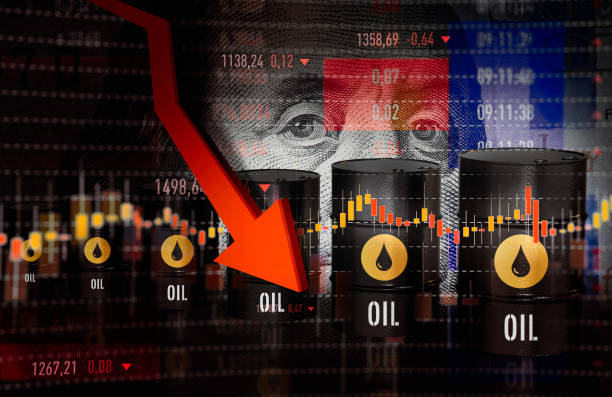
The Dangote Petroleum Refinery and major depot operators lowered wholesale petrol prices across Nigeria on Tuesday after international crude benchmarks tumbled. Dangote trimmed its gantry rate by 25 naira to 1,325 naira per litre, prompting wholesale marketers in Lagos to slash their depot prices by up to 24 naira. Similar downward adjustments emerged at coastal terminals in Port Harcourt, Calabar, and Warri as global crude costs fell below 100 dollars per barrel. The modest relief follows weeks of domestic fury over punishing fuel inflation. Global markets dictate local costs.
The price adjustments reflect immediate price movements across international commodity exchanges. Brent crude slid from a recent peak of 109 dollars per barrel to 99.77 dollars, while the American benchmark, West Texas Intermediate, dropped to 91.17 dollars. Private depot operators in Lagos, including Ascon, Integrated, Pinnacle, and Sahara, pegged their rates between 1,326 and 1,327 naira per litre following the crude decline. In Calabar, Mainland posted the cheapest rate across surveyed depots at 1,320 naira. Cheap feedstock creates modest room for price cuts.
Motorists cannot expect immediate savings at the roadside despite the wholesale drop. Retail pumps still sell petrol between 1,370 and 1,450 naira per litre because filling stations must clear old, expensive inventory before passing savings to drivers. Private transporters also demand heavy road freight rates to move tankers along decrepit highways, which eats away wholesale reductions before fuel reaches provincial forecourts. Retailers protect their profit margins first.
Automotive gas oil followed the downward trend as industrial buyers received rare pricing relief. Chipet in Lagos reduced its diesel rate by 15 naira to 1,815 naira per litre, while Masters in Port Harcourt cut diesel by 35 naira to 1,900 naira. In Warri, Matrix lowered its diesel price by 50 naira to settle at 2,000 naira per litre. High energy tariffs continue to throttle manufacturing and haulage across the country. Cheap diesel helps factories survive.
The price cuts show how closely domestic fuel supplies track volatile global markets under Nigeria’s deregulated regime. Domestic refining inside the Lekki free trade zone insulates the country from freight delays, but it does not shield citizens from international crude prices. Nigerian drivers remain exposed to currency swings and geopolitical shocks abroad. The state can no longer absorb these costs through treasury subsidies. Global markets will set the pump price.