
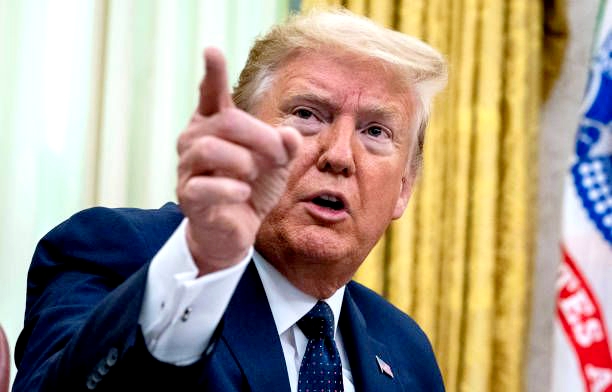
Donald Trump climbed the green marble rostrum at the 81st United Nations General Assembly on Tuesday and offered Iran total ruin or total submission. In a pugnacious forty-minute address in New York, the American president openly mused whether he should broker an agreement with Tehran or simply wipe the country off the global map. He declared that he faced a stark choice between letting the Islamic Republic rebuild or driving it into hell without hope of survival. Iranian diplomats walked out of the hall as he spoke. Total destruction remains an extraordinary threat from the podium of world peace.
The bellicose rhetoric comes as a seven-month American military campaign struggles to produce a clear political victory. Washington launched sustained strikes in February to destroy Iranian nuclear facilities, yet Tehran has absorbed the damage and squeezed Persian Gulf maritime traffic in response. The clerical government has choked the vital Strait of Hormuz, driving global oil prices higher and disrupting supply chains that feed Western economies. Mr Trump claimed that American naval escorts have secured more than one billion barrels of crude through the passage. The energy markets remain profoundly unsettled.
Both capitals are trading ultimatums while testing backchannels for an exit ramp. Iranian officials hinted this week that they might reopen the strategic strait if the White House lifts its crippling naval blockade and eases military pressure. Mr Trump countered by predicting that a settlement would come immediately after the American midterm elections in November, when domestic political pressures abate. He insisted that Tehran is deliberately stalling negotiations to influence those autumn congressional polls. Such brinkmanship treats global energy security as collateral damage.
American firepower has crushed conventional Iranian naval assets and hit radar sites, but it has not broken the clerical regime’s political will. Mr Trump pointed to runaway domestic inflation inside Iran and mounting internal unrest to argue that the theocracy is crumbling under economic isolation. Yet his own political party faces stiff domestic blowback over the war’s financial and commercial toll. Soaring fuel costs at home continue to drag down presidential approval numbers ahead of a brutal electoral contest. Heavy bombs cannot solve stubborn political stalemates.
The United Nations delegates who listened to Mr Trump’s address saw a superpower leader caught between military escalation and diplomatic necessity. Western allies want a durable ceasefire that restores unimpeded commercial shipping through the Gulf, while Washington demands nothing less than the absolute surrender of Iran’s nuclear and regional ambitions. The White House insists that a diplomatic pact remains possible before year’s end if Tehran capitulates on enrichment. If those talks falter, Mr Trump’s apocalyptic alternative leaves zero room for middle ground. The world now watches the Gulf.