
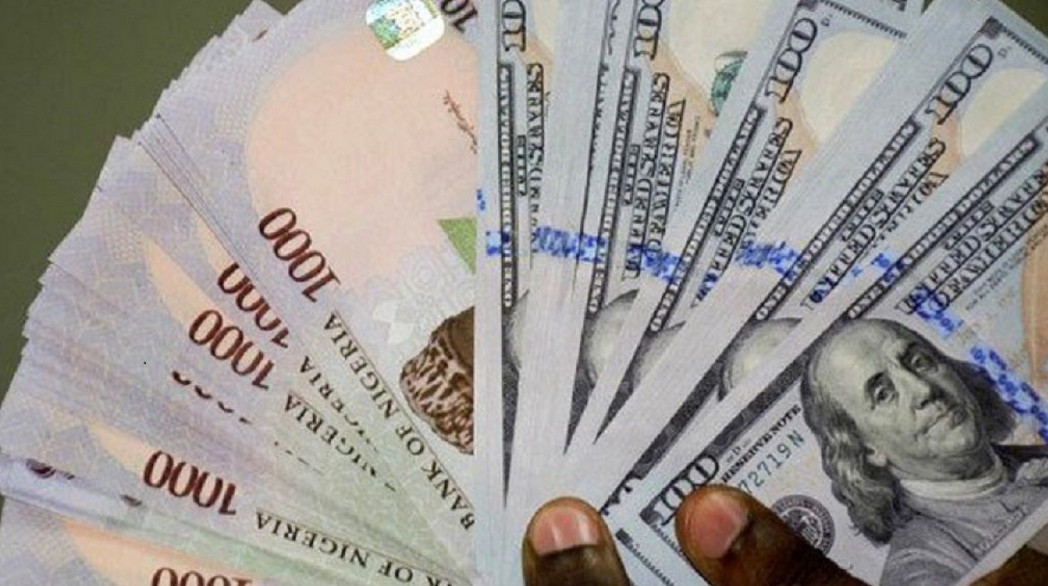
The naira hovered near 1,326.34 against the American dollar on Friday morning as foreign exchange desks weighed the monetary loosening of the Central Bank of Nigeria. Spot trading saw the domestic unit edge between 1,325.42 and 1,327.00 before settling around 1,326.34 in the official autonomous window. That movement extends a week of gentle depreciation following Governor Olayemi Cardoso’s decision to slash benchmark lending rates by 350 basis points to 23 per cent. Meanwhile, informal street desks across Lagos and Abuja traded greenbacks around 1,385 naira per dollar. The currency peg remains fragile.
The modest decline tests the central bank’s gamble that cooling headline price inflation justifies a sudden retreat from hard-money orthodoxy. For nearly three years, ultra-high domestic yields lured foreign portfolio managers to park billions in local treasury debt, propping up official foreign reserves. Yet lower policy rates narrow the yield spread between domestic notes and safe Western assets, encouraging fast money to exit. When foreign funds head for the exits, the burden of funding commercial trade falls entirely back on the state’s modest crude dollar inflows. Hot capital flees on the first sign of cheap borrowing.
Retail demand continues to leak into the parallel market because businesses face lengthy documentation checks at official banking counters. Importers seeking quick foreign exchange for raw materials, machinery components, and finished provisions find formal bank allocations rationed. That persistent bottleneck sustains a retail gap of nearly sixty naira between the official autonomous market and street operators. When ordinary merchants cannot buy dollars over bank counters, curb desks dictate the actual price of imported goods. Retail prices track the street.
The currency’s long-term stability depends on whether domestic refineries can eliminate petroleum import bills and whether crude output can climb beyond 1.4 million barrels daily. While domestic refining inside the Lekki trade zone relieves coastal freight lines, fuel marketers still require large credit lines to lift and distribute stock across the country. Federal revenues show huge paper gains from currency depreciation, but those nominal billions mask the harsh reality that real export earnings remain stagnant. Until non-oil exports produce real dollars, every monetary easing cycle will threaten the domestic currency. Cheap credit cannot replace actual factory production.