
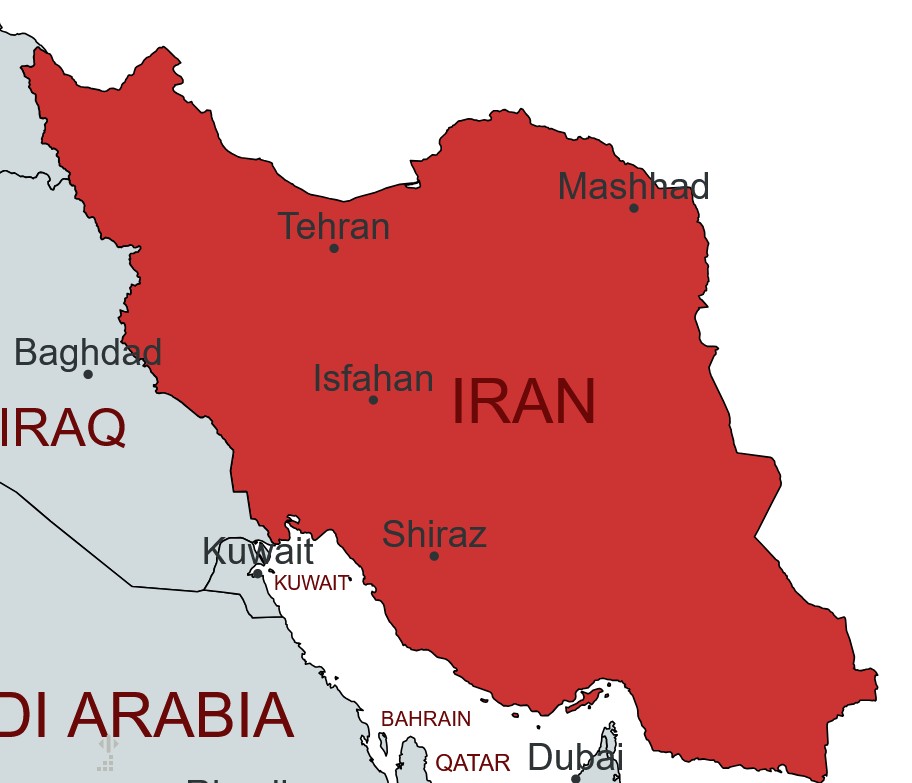
The war between the United States and Iran widened on Thursday, 3 September 2026, when Iranian forces launched coordinated missile and drone strikes against American staging posts in Kuwait and the United Arab Emirates. Tehran said the salvoes avenged an American missile strike on a wedding party in the southern coastal town of Kuhestak that killed four people, including a child, and injured more than fifty. Kuwait confirmed that its air defences intercepted missiles and drones targeting the Ahmad al-Jaber Air Base, branding the barrage a grave breach of international law. Iran’s armed forces also claimed hits against Al Minhad Air Base in the United Arab Emirates, though Emirati officials reported no impacts. In Washington, Vice-President JD Vance confirmed an official review into the wedding strike, while publicly doubting casualty accounts from Iranian state outlets. The exchange ended a short-lived tactical pause, dragging regional hosts deeper into direct cross-border retaliation. Missiles fly freely as diplomacy founders in the Gulf.
The strike in Kuhestak turned a family celebration into a grim reminder of the human cost of long-range air power. The Iranian Red Crescent reported that precision ordnance landed on Tuesday night, killing four guests and shattering adjacent buildings. Funerals drew crowds carrying the small casket of four-year-old victim Amir-Mohammad Karimi past honour guards. Revolutionary Guards commander Ahmad Vahidi seized on the civilian deaths to vow that the martyrs would see prompt retribution. American Central Command spokesman Tim Hawkins reiterated that Western pilots target military units rather than non-combatants. Yet the disaster echoes a previous strike on a Minab school that remains under internal Pentagon review. Errant bombs destroy political credibility faster than any battlefield setback.
Washington faces mounting diplomatic pressure over its reliance on air power along the Iranian littoral. President Donald Trump insisted earlier this week that American wings could strike anywhere at will. Air raids between Tuesday and Wednesday killed at least nineteen Iranians, including six naval service members. Vance brushed off questions about an endgame before the November midterm elections, insisting the campaign does not constitute a full war. The White House prefers to treat intense daily combat as a series of isolated counter-attacks. That linguistic distinction offers cold comfort to the families burying children in Hormozgan. Semantic dodges cannot obscure the scale of the regional fire. War by any other name still kills people.
Kuwait now finds its strategic territory caught directly in the crosshairs of Iranian retaliation. The deployment of interceptor batteries around Ahmad al-Jaber Air Base barely prevented major structural damage. Kuwaiti diplomats lodged stern protests with Tehran, yet Gulf monarchies know that hosting foreign combat wings invites incoming fire. Tehran fired rockets at American positions in Jordan, Bahrain, and Iraq earlier in the week to prove that proximity to Western bases removes sovereign safety. Gulf rulers discover that American security umbrellas bring incoming missiles alongside protection. Iran views every regional airstrip housing Western warplanes as an extension of the Pentagon. Small nations pay dearly for hosting foreign garrisons.
The naval conflict in the Strait of Hormuz continues to drive the wider war of attrition. Iranian patrols retain a firm grip on the shipping channel, intercepting tankers and laying minefields along commercial routes. Washington enforces its own counter-blockade against Iranian crude loading berths to cut off the regime’s foreign revenue. The resulting disruption keeps international Brent crude prices high, hurting emerging economies across Africa and Asia. Energy Secretary Chris Wright pledged to apply maximum pressure by penalising any trading house that handles Iranian oil. Yet economic sanctions fail to persuade Tehran to surrender its sole maritime chokepoint. Coercive blockades create desperate adversaries with nothing left to lose. High oil prices will punish consumers worldwide for months.
Internal political pressure in Tehran prevents the clerical regime from seeking a swift diplomatic compromise. Top parliamentary negotiator Mohammad Bagher Ghalibaf condemned the wedding bombing, attacking American leaders as bad-faith actors. Security chief Mohsen Rezaei warned of a new strategy calculated to exhaust Western naval logistics across the region. Hardliners use civilian grief to silence domestic critics who want an end to economic isolation. Ordinary shopkeepers in Tehran plead for an orderly return to negotiations, but state media amplifies the calls of the street for revenge. Civilian tragedies inevitably push war cabinets into ever harder corners. Neither side can show weakness without risking political disaster at home.
The six-month war shows every sign of settling into an open-ended regional confrontation. Precision bombs cannot force a change of government in Tehran, while Iranian drone barrages cannot push American carriers out of the Gulf. Both capitals remain trapped in a grinding cycle of strike, counter-strike, and domestic political posturing. Gulf kingdoms will spend more cash on surface-to-air missiles to protect domestic oil assets and foreign garrisons. The White House investigation into the Kuhestak wedding will produce procedural reviews rather than fundamental policy shifts. Meanwhile, civilian families on both shores of the waterway carry the real weight of sovereign stubbornness. Dead children in coastal villages make lasting peace very hard to find.