
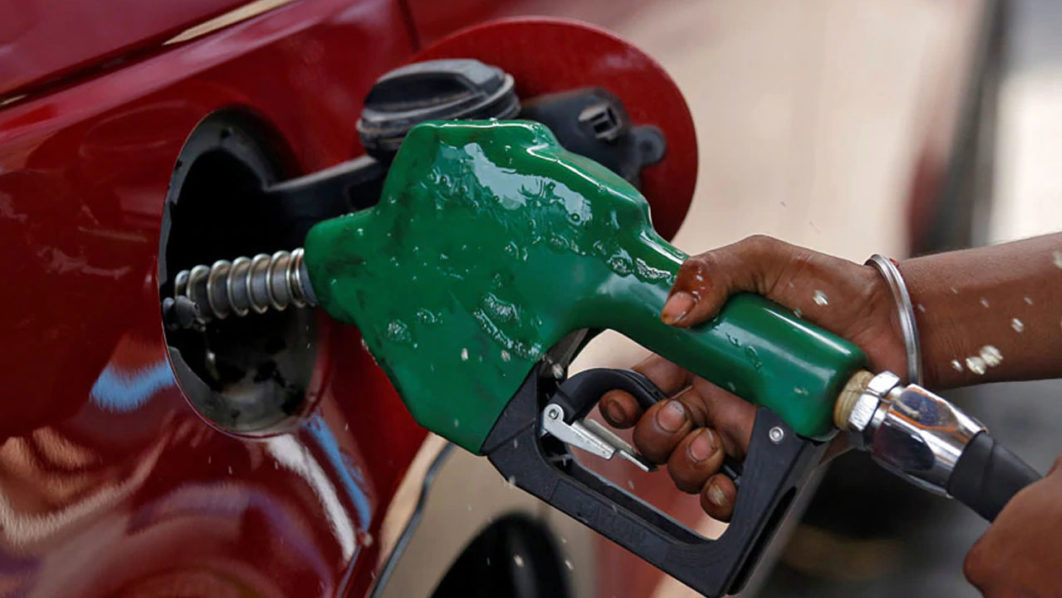
Nigeria still sells petrol cheaper than the United States, Ghana, and South Africa despite the pain that deregulation inflicts on domestic households, according to Minister of State for Petroleum Resources Heineken Lokpobiri. Speaking on television on Tuesday night, Mr Lokpobiri placed the average domestic retail pump price at 1,430 naira per litre, contrasting that level against 1,633 naira in America, 1,959 naira in Cameroon, and 2,070 naira in both Ghana and South Africa. His intervention follows modest wholesale depot cuts of 25 naira by the Dangote Petroleum Refinery and coastal terminal operators after international crude oil prices fell below 100 dollars per barrel. The ministerial defence comes as Nigerian motorists continue to buy retail fuel between 1,370 and 1,450 naira per litre across urban forecourts.
Government officials insist that neither crude extraction nor the presence of the 650,000-barrel-per-day Lekki refinery can shield Nigerian consumers from world commodity prices. Mr Lokpobiri cited the United States as the world’s leading crude producer and refiner, noting that American drivers still face higher per-litre charges because market forces set prices. He argued that the multi-billion-dollar Lekki plant would have collapsed within months if the state had kept subsidising imported cargo and forcing below-market wholesale rates. Crude remains an internationally traded asset whether it emerges from Niger Delta swamps or Texan shale fields. Market realities dictate the pump price.
The federal administration refuses to reverse its downstream deregulation policy, pointing instead to record cash windfalls flowing into state government coffers. Federation Account allocations have swelled to 2.1 trillion naira monthly since the treasury ended the petrol subsidy, providing funds that twenty-seven states once lacked even to clear civil service payrolls. State governors now draw vast financial distributions to fund regional public works and public sector obligations. The state collects the dividend while citizens pay the bill.
The minister argued that ending fuel subventions prevented the federation from spending roughly 21 trillion naira annually on import subsidies at current foreign exchange rates. Middle East tensions keep world energy markets volatile, making arbitrary domestic price caps impossible to sustain without bankrupting the state. He warned that expanding crude production to three million barrels daily would not automatically reduce pump prices while international benchmark pricing governs domestic sales. The administration intends to let the market run without direct ministerial price orders.
Yet the minister’s international price comparisons skip a critical economic disparity that shapes the everyday survival of Nigerian citizens. An American or South African worker earns multiple times the baseline wage of a Nigerian employee, making identical fuel tariffs vastly more punishing for households in Lagos or Kano. While treasury officials applaud growing federal cash reserves and rising federation account revenues, soaring transport costs continue to swallow basic wage packets. The state has saved its fiscal balance sheet. Citizens now bear the entire load.