
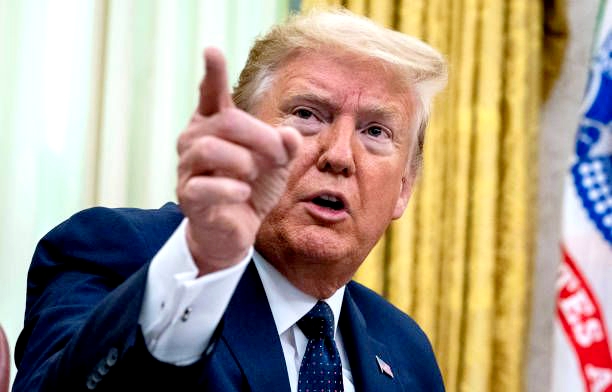
United States President Donald Trump slapped sweeping financial sanctions on the International Criminal Court on Friday, 9 October, just hours after the Norwegian Nobel Committee awarded its peace prize to one of the tribunal’s former judges. Secretary of State Marco Rubio denounced the Hague institution as a rogue court and pledged to cut off its practical operating resources by barring commercial firms from providing essential software, banking, and insurance services. Power now seeks to starve law into surrender. The retaliatory measure puts Washington on a direct diplomatic collision course with European allies and 125 member states that fund and host the permanent war-crimes court.
The White House accelerated its economic assault following arrest warrants issued against Israeli Prime Minister Benjamin Netanyahu, alongside historic inquiries into actions by American forces in Afghanistan. Deputy Prosecutor Nazhat Shameem Khan condemned the punitive order as a direct assault on the global rule of law, insisting that ongoing investigations and prosecutions will proceed without pause. Justice refuses to step aside for sovereignty. Washington designed the embargo with selective Treasury exemptions to give member states time to bend the court to American demands or face permanent exclusion from the dollar-denominated financial system.
Mr Rubio issued a blunt ultimatum to NATO allies that rely on American military guarantees, demanding that they rein in the Hague prosecutors or watch the institution crumble. That demand cuts across the heart of European foreign policy, given that the Netherlands hosts the tribunal and every European Union member state ratified its founding Rome Statute. The court prepared for this confrontation for months by ditching American technology giants for open-source code and switching its health insurers. Bullies rarely check IT departments first. European capitals must now decide whether to deploy emergency blocking regulations that protect local companies from Washington’s secondary sanctions, or quietly sacrifice independent global justice to protect their trade ties with the White House.
The confrontation captures the bitter ideological fracture between multilateral judicial accountability and unilateral American statecraft. Oslo explicitly awarded the Nobel honour to South African jurist Navi Pillay to sound an international alarm against the systematic political persecution of independent judges. Might replaces right when courts fall silent. By targeting the private vendors that keep courtroom lights on, Washington bets that administrative paralysis will accomplish what direct political defiance never could.
Mr Trump’s economic siege exposes the ultimate fragility of an international tribunal that commands no armies and issues orders on paper alone. The court counts 125 sovereign nations on its membership roster, but none can match the extraterritorial reach of the United States Treasury. Treaties mean little without financial independence. European signatories now face a decisive choice: shield the court with counter-sanctions and sovereign money, or permit Washington to dictate which world leaders remain beyond the reach of international law.