
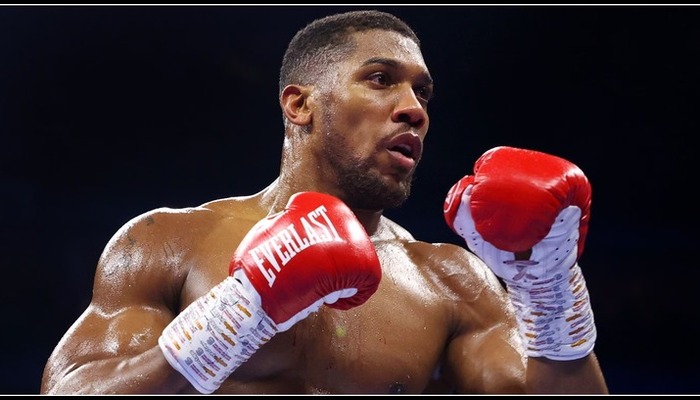
Boxing enthusiasts snapped up more than 80,000 tickets in sixty minutes on Friday, 9 October, instantly filling Cardiff’s Principality Stadium for the long-delayed heavyweight clash between Tyson Fury and Anthony Joshua. An electronic crush of over 500,000 desperate buyers swamped ticketing servers within moments of the public launch, leaving secondary ticket vendors demanding up to £73,000 per seat. Raw domestic rivalry sells instantly. The frantic digital rush proves that British fight followers still prize this domestic contest far above sanitised bouts staged in desert kingdoms.
The stampede confirms that personal animosity and commercial drama reliably defeat mere sporting logic. Both prizefighters enter the Welsh capital past their physical peaks and without undisputed world belts to unify, yet their commercial draw remains undiminished. Spectacle always beats belts. Fans care far less about the alphabet titles on offer than the prospect of seeing two generational British heavyweights settle a decade of insults in a single ring.
Cardiff won hosting rights after promoters abandoned early plans for London’s Wembley Stadium and rich Gulf state backers to secure an autumn date under a closed roof. Promoter Eddie Hearn and his rivals chose weather certainty and a cauldron atmosphere in Wales over the cold chill of an open English arena in December. Autumn rain ruins outdoor fight nights. By locking 80,000 people under the Welsh capital’s retractable ceiling, organisers guaranteed a deafening, hostile arena that will lift the television broadcast across the globe.
Commercial platforms and secondary ticket exchanges will reap fortunes as genuine supporters scramble to secure hotel beds and train seats across South Wales. Scalpers already command outrageous sums for upper-tier stadium access, demonstrating that dynamic ticket pricing and predatory resale syndicates continue to penalise regular working followers. Greed rules modern sports commerce. Stadium turnstiles will spin fast, but the astronomical cost of entry means only deep pockets will witness the ring walks in person.
The frenzied Cardiff sell-out signals boxing’s final return to European football grounds after years of chasing sovereign wealth subsidies abroad. British boxing fans endure broken public transport and exorbitant seat markups because national pride demands a definitive tribal victor. Decisive conclusions forgive high ticket prices. Come fight night, one man will cement his national legacy, while the loser will discover that defeat in a domestic grudge match offers no comfortable path back to respectability.