
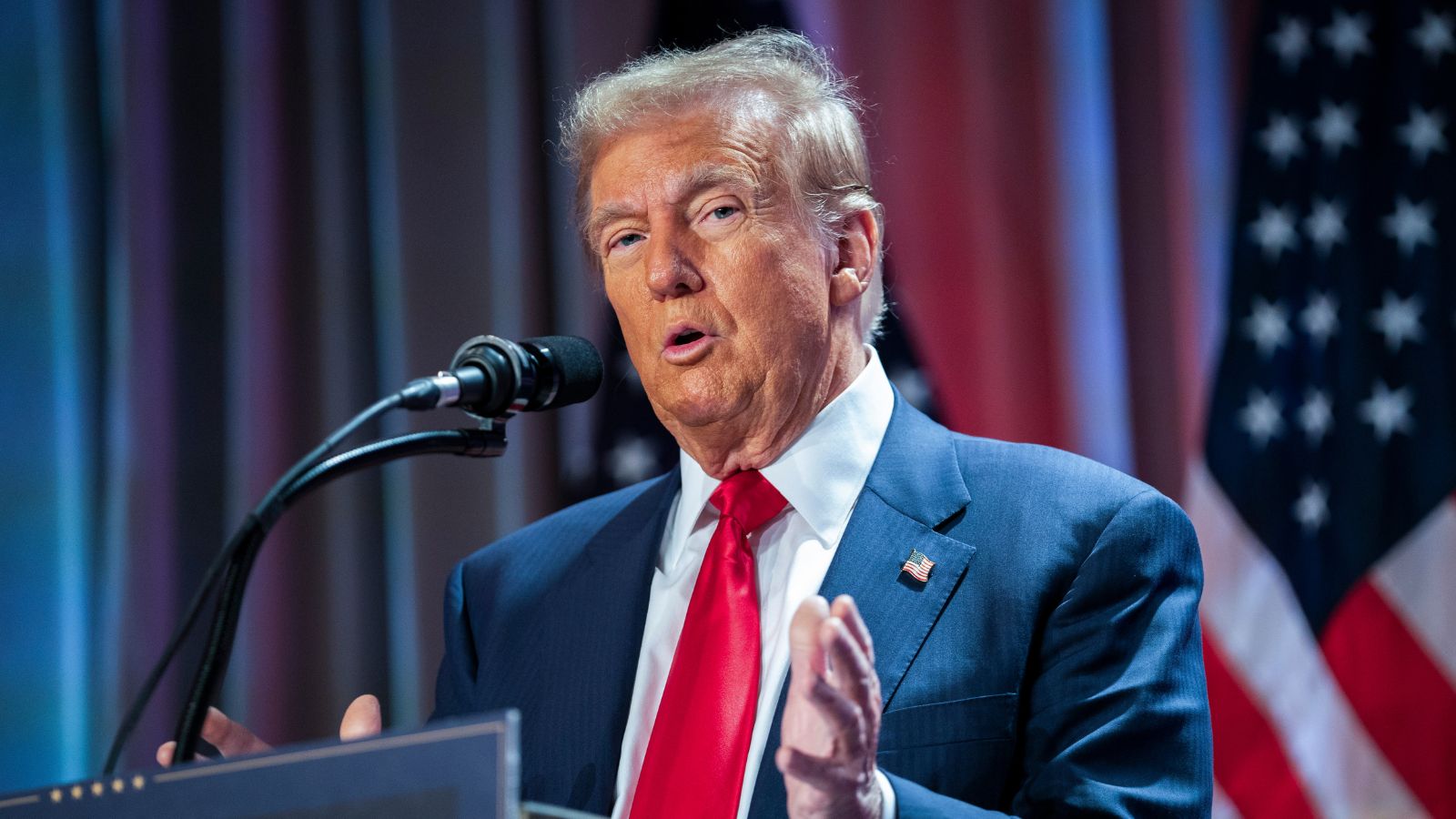
United States President Donald Trump dismantled key Western energy sanctions on Moscow on Friday, 9 October, securing a multi-million-tonne Russian diesel agreement to halt runaway pump prices before the American midterm elections. The United States Treasury Department issued an emergency general licence through April 2027 that permits American and international buyers to purchase, transport, and offload Russian fuel shipments without fear of federal penalties. Domestic inflation terrifies incumbent politicians. By authorising Russian President Vladimir Putin to pump 300,000 tonnes immediately and millions more by winter, Mr Trump sacrifices Ukraine’s economic containment to calm restless voters back home.
Surging retail fuel costs forced the White House into an abrupt geopolitical reversal as American diesel climbed above six dollars per gallon following months of naval turmoil across the Persian Gulf. Tehran’s blockade of the Strait of Hormuz removed vital middle distillates from global circulation, while Ukrainian drone strikes inside Russia previously choked domestic refining output. Electoral panic breaks foreign policy discipline. Rather than relying on strategic stockpiles or high-cost domestic drillers, Washington turns to its principal adversary to refill transport tanks before polling day.
The retreat from economic warfare exposes the limits of Western alliance solidarity when energy inflation threatens the governing party in Congress. Ukrainian President Volodymyr Zelensky denounced the sanctions relief as weak and unworthy, warning that Washington is handing the Kremlin fresh petrodollars to bankroll continued artillery bombardments in Donbas. Cheap diesel beats abstract democratic ideals. Kyiv now watches its most powerful military patron dismantle four years of diplomatic boycott to buy cheap fuel for American haulage contractors.
Energy analysts remain deeply sceptical that the Kremlin can deliver the promised four million tonnes of refined fuel when Ukrainian drones continue to burn Russian cracking plants. Mr Putin reaps immediate diplomatic vindication while Moscow’s domestic refineries still grapple with repair bottlenecks and strict export quotas. Paper deals do not guarantee physical deliveries. Even if Russian tankers fail to meet their supply quotas, Moscow has already cracked the Western sanctions regime without making a single territorial concession on the battlefield.
Mr Trump’s pact with Moscow marks the final collapse of the post-2022 Western strategy to starve the Russian state of petroleum revenues. Allied capitals that spent years cutting their own fuel links with Russia must now watch American ports receive the very cargo Europe banned. Political survival always trumps geopolitical consistency. If voter anxiety over pump prices can overturn four years of punitive trade policy in a single afternoon, the White House has shown hostile powers exactly how to break American resolve.