
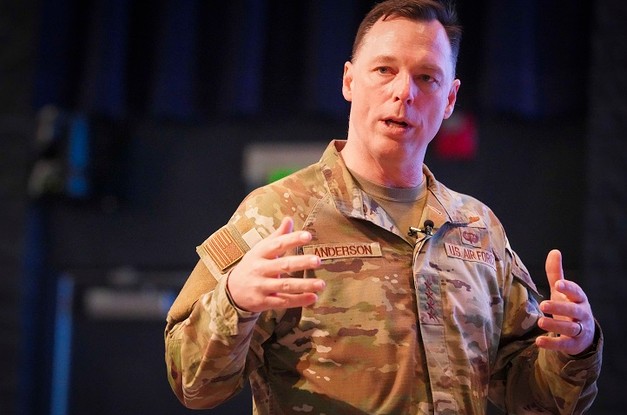
Insurgent ranks in north-eastern Nigeria are splitting as joint military pressure breaks their command structures. General Dagvin Anderson, chief of US Africa Command, told reporters in Lagos on 26 October 2026 that Islamic State defections surged over 200 per cent. The sharp rise follows a combined American and Nigerian strike in May that killed Abu-Bilal al-Minuki, the second-in-command of global ISIS operations.
Combined firepower shattered the aura of invincibility surrounding local jihadist networks. Western satellite tracking paired with Nigerian boots on the ground created a trap that insurgent units could not evade. Terrorist fighters now abandon their posts rather than face targeted strikes in their bush hideouts. High attrition rates leave militant leaders struggling to control their remaining fighters.
Military victories offer quick headlines, yet they rarely fix deep institutional rot. Anderson warned that weapons alone cannot solve the persistent menace of terrorism and kidnapping across the region. Armed violence will continue to flourish unless political leaders address basic economic misery and poor public services. Gunships cannot replace clean water, decent roads, and functioning courts.
Local authorities now face the delicate task of integrating hundreds of former fighters back into civilian society. Nigeria runs rehabilitation camps meant to strip away radical ideology and teach basic trade skills to defectors. The sudden flood of ex-combatants tests the capacity of these state rehabilitation schemes. Poorly managed reintegration risks turning former fighters back into armed criminals.
Washington seeks to rebuild broken security links with military juntas across the Sahel. American diplomats want fresh talks with Mali, Burkina Faso, and Niger after their messy exit from ECOWAS. Western commanders watch with deep worry as piracy, weapon smuggling, and drug networks expand across unpoliced borders. Rebuilding these broken alliances remains essential to stop armed groups from taking more territory.
Success against jihadist units requires sustained economic investments to keep desperate young men from taking up arms. West Africa hosts a vast youth population with few job prospects and growing anger at ruling elites. State officials must channel that youth energy into productive work rather than cheap promises. Defeating an insurgency demands good governance long after the gunfire fades.