
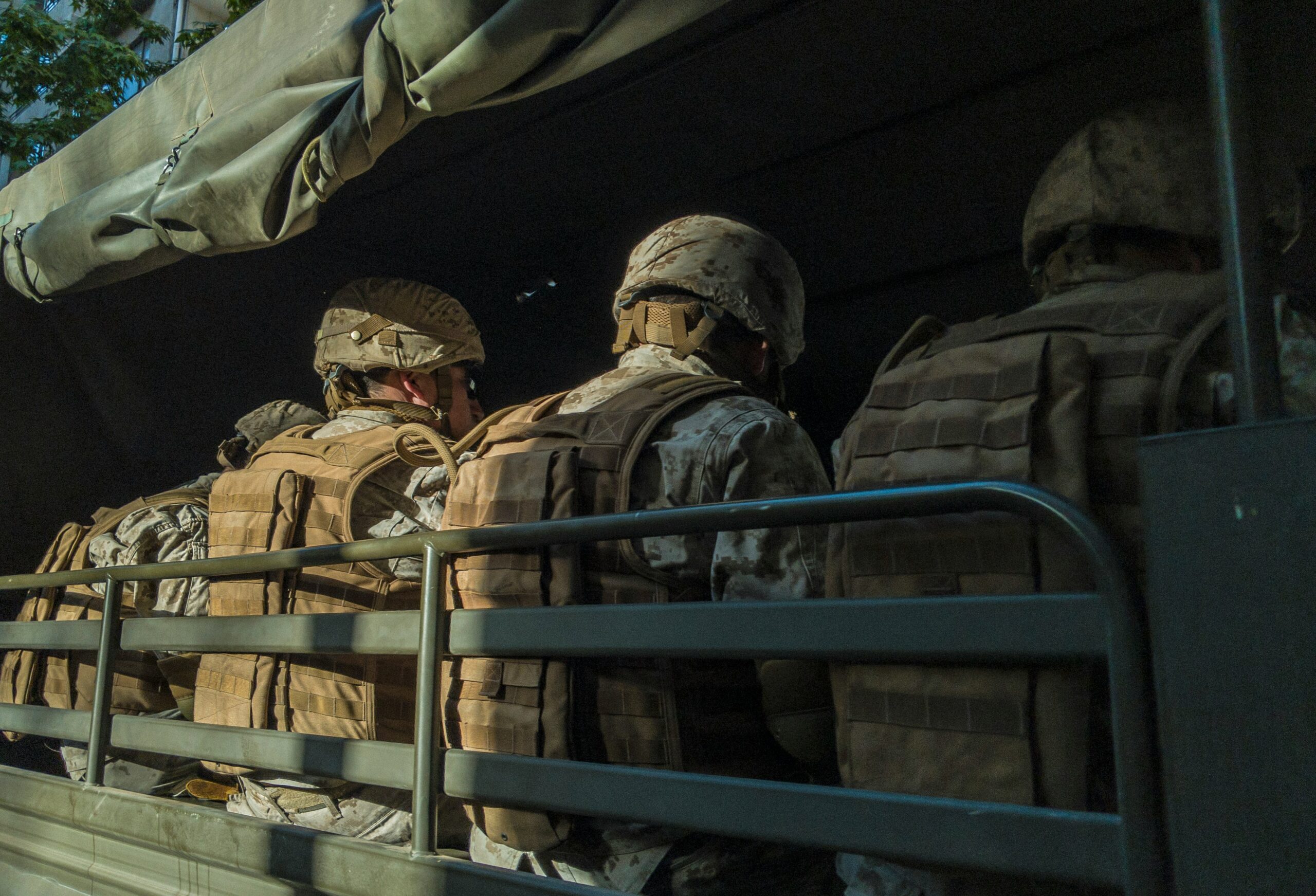
A joint military operation by American and Nigerian forces killed Abu-Bilal al-Minuki, the global second-in-command of Islamic State. US President Donald Trump confirmed the elimination of the senior leader in a late Friday announcement. Trump described the raid as a highly complex, meticulously planned mission targeting the most active terrorist in the world. The operation marks a major victory in the regional campaign against Islamist militancy. Officials expect the death of the commander to diminish the global operational capacity of the group significantly.
Al-Minuki, a Nigerian national, had long eluded authorities by operating across the vast, ungovernable spaces of the Sahel. American intelligence tracking networks monitored his movements closely before launching the coordinated strike. The targeted commander served within the general directorate of provinces, the administrative body providing operational guidance and financing to Islamic State global affiliates. Washington had previously placed al-Minuki under strict counter-terrorism sanctions in 2023. His death cuts a vital logistical link between West African cells and central command.
The high-profile mission underlines a deepening, if transactional, security alliance between Washington and Abuja. Trump extended formal appreciation to the Nigerian government for its tactical partnership during the assault. This collaboration follows an escalation of American military involvement in the region over the past year. Washington recently deployed 200 troops, drones, and specialized intelligence assets to northern Nigeria. While local defense officials insist foreign forces maintain a non-combat support role, this strike reveals deep operational integration.
This successful raid follows a pattern of assertive American unilateralism and regional intervention. The Pentagon directed heavy airstrikes against Islamist bases in northwestern Nigeria on Christmas Day last year. Those attacks followed warnings from Washington regarding the safety of vulnerable communities in northern states. Trump previously acknowledged his personal direction of those festive bombardments, which local commanders used to degrade insurgent strongholds. The latest joint operation signals a shift from retaliatory air campaigns to precise, intelligence-led leadership decapitation.
The elimination of al-Minuki comes at a critical time for West African security. Regional forces have struggled to contain a surge in deadly jihadist raids across the northeastern corridor. Islamic State West Africa Province and rival extremist factions continue to inflict heavy casualties on local troops. Defense analysts caution that while leadership losses disrupt administrative networks, they rarely dismantle deep-seated insurgencies. The structural drivers of regional instability, including porous borders and limited state presence, remain unresolved.
Abuja hopes this successful operation will silence critics of its counter-terrorism strategy. The administration faces persistent domestic pressure over lingering insecurity and mass displacement across the north. Demonstrating a capacity to eliminate global terror leaders alongside superpower assets provides a timely public relations boost. Military commanders intend to maintain this operational momentum to prevent insurgent cells from reorganising. The ultimate test remains whether this tactical success can translate into lasting stability for embattled rural communities.