
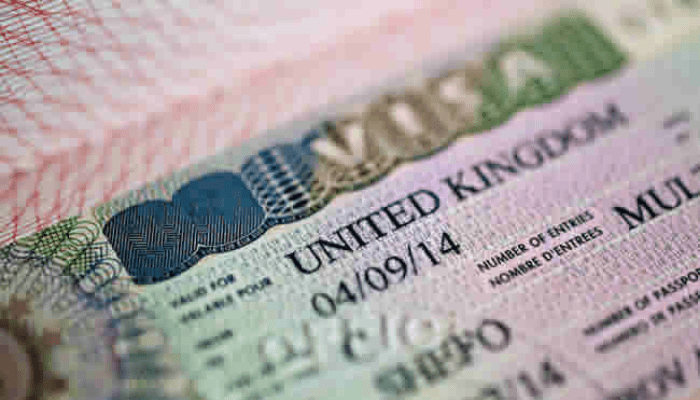
Britain will raise its student visa proof-of-funds requirement on 30 November 2026, forcing international scholars to prove greater wealth to secure entry. Applicants bound for London institutions must now demonstrate access to £1,570 per month for up to nine months, totalling £14,130 in living expenses. Those heading to universities outside the capital face a monthly threshold of £1,203, pushing their nine-month total to £10,827. The Home Office justified the inflation-indexed adjustment as necessary to align visa conditions with domestic student maintenance allowances.
This regulatory tightening falls heavily on foreign students who must also clear tuition fees, visa application costs, and the compulsory Immigration Health Surcharge. Home Office rules demand that applicants hold the full required balance continuously in an approved account for at least 28 consecutive days before applying. A single-day dip below the statutory minimum automatically triggers a visa refusal without room for retrospective top-ups. The strict timeline leaves candidates applying after late November no choice but to adjust their bank balances immediately.
The financial hurdle creates severe friction for Nigerian scholars seeking entry to British higher education amid severe domestic currency pressure. Exchange rate fluctuations amplify the local cost of holding thousands of pounds in liquidated cash reserves for nearly a month. Nigerian intake numbers previously surged to 30,204 study visas in 2025, marking a 59 per cent increase from the prior year. Higher proof-of-funds thresholds will inevitably throttle that momentum by pricing out middle-income applicants.
British universities rely on foreign tuition revenues to balance their operational books against domestic fee caps and rising operational costs. International scholars contributed £41.9 billion to the British economy during the 2021/2022 academic year alone through fees and local spending. Yet strict working-hour caps and a tightening domestic job market make it harder for students to offset their living costs once settled in the country. Raising the financial barrier Risks diverting international talent toward cheaper academic destinations across Europe and Asia.
The policy shift forms part of a broader political drive by British ministers to curtail net migration figures before upcoming parliamentary scrutiny. Policy changes introduced earlier restricted most postgraduate taught students from bringing family dependants into the country. Raising living-cost thresholds acts as a soft mechanism to filter out less wealthy applicants while preserving university income streams from high-net-worth individuals. Whitehall continues to prioritise migration targets over the global competitiveness of its tertiary education sector.
Prospective students planning to submit applications on or after 30 November 2026 must recalculate their financial statements immediately. Using obsolete monthly rates or relying on unapproved asset classes like cryptocurrency or stock portfolios will cause immediate visa rejections. Educational consultants advise candidates to lock in their qualifying funds well in advance to avoid costly administrative delays. The cost of pursuing a British degree has reached record highs, leaving applicants with minimal margin for error.