
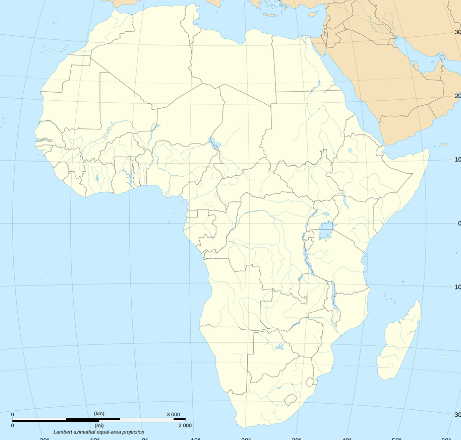
African nations forfeit billions of dollars each year by shipping raw farm produce overseas instead of processing harvests at domestic factories, agricultural policymakers and financiers warned at the Agriculture Summit Africa in Abuja on Thursday, 24 September 2026. The continent holds two-thirds of the world’s uncultivated arable land, yet governments squander over 100 billion dollars annually on food imports because local businesses fail to convert basic crops into finished goods for retail shelves. Dirt alone creates no wealth.
Nigeria’s Minister of Agriculture and Food Security, Senator Abubakar Kyari, told summit delegates that raw territorial endowments mean very little without active industrial conversion. To bridge this persistent processing gap, the federal government launched the Special Agro-Industrial Processing Zones programme, raising 520 million dollars in co-financing across seven states and the Federal Capital Territory to anchor factories beside farming clusters. Capital must meet fertile land.
Sterling Bank Managing Director Abubakar Suleiman noted that while Nigerian farmers cultivate more cassava than any other national workforce on earth, domestic firms capture barely two per cent of the global processed cassava market. Foreign processors pocket the retail margins because African producers control almost none of the downstream refining, packaging, or distribution channels. Raw exports yield tiny returns.
African growers remain trapped as subordinate commodity suppliers while wealthy industrialised nations run the global kitchen, observed Sunbeth Global Concepts Managing Director Olasunkanmi Owoyemi through his corporate representative Jason Green. Reversing this costly imbalance requires patient capital to build modern cold storage, reliable transport links, and stable processing hubs near rural farming communities. Cheap commodities export domestic jobs.
Minister of State for Agriculture Senator Aliyu Abdullahi insisted that genuine food sovereignty requires nations to retain total command over their food supply systems from planting to supermarket shelf. Retaining economic value at home shields fragile domestic currencies from volatile global commodity swings while generating formal employment for millions of young jobseekers across the countryside. Industrial processing secures national survival.