
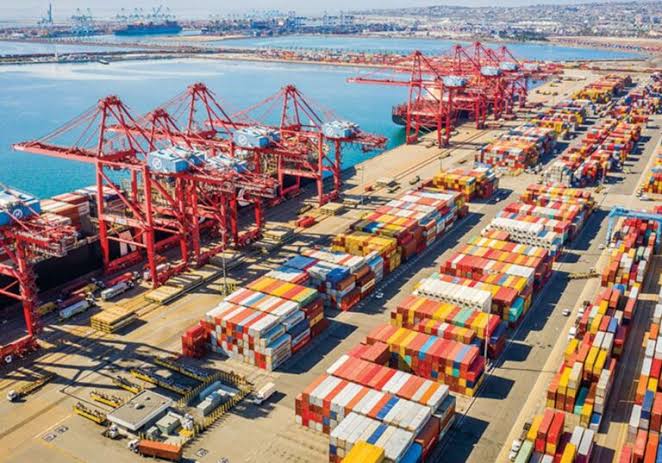
Petroleum product and commodity imports through Lagos ports fell sharply in the first three weeks of September 2026, according to shipping position data from the Nigerian Ports Authority.
Total tonnage stood at 1,470,109 metric tonnes for the period, down 38.6 per cent from the 2,392,354 metric tonnes recorded in August. The NPA figures were compiled with eight days still left in the month, so the final position could shift before September closes.
Among petroleum products, petrol carried the largest volume at 526,500 metric tonnes. Jet fuel followed at 167,000 metric tonnes and diesel at 82,500 metric tonnes. Bulk wheat, a non fuel cargo, came to 173,483 metric tonnes.
The data covers Lagos terminals only. It excludes cargo through the Lekki Deep Sea Port, so it does not capture the country’s full import picture for the month.
Read in isolation, a one month drop says little. What gives it context is where Nigeria’s fuel supply now comes from. Since the Dangote refinery reached commercial output, a growing share of petrol consumed locally is refined at home rather than shipped in, which steadily lowers the volume of finished fuel arriving through the ports.
The direction of travel is visible in official import approvals. The Nigerian Midstream and Downstream Petroleum Regulatory Authority approved 830,000 metric tonnes of petrol imports for the fourth quarter of 2026, a modest allocation set against a market that once depended almost entirely on imported supply.
Port throughput has always moved month to month for reasons that have nothing to do with policy. Vessel scheduling, depot stock levels, cargo already in transit and the naira cost of importing all shift the monthly count, which is why a single month rarely tells the full story on its own.
Price movements this month sit alongside the supply shift. Petrol reached about N1,212 per litre at the pump even as crude prices eased, a reminder that landing costs, exchange rates and refinery pricing, rather than import tonnage alone, drive what Nigerians pay.
For port operators, terminal handlers and the wider haulage chain, a sustained fall in fuel cargo would reshape volumes and revenue over time. Whether September marks a genuine trend or a routine dip will only be clear once the full month’s figures, and the months after, are in.