
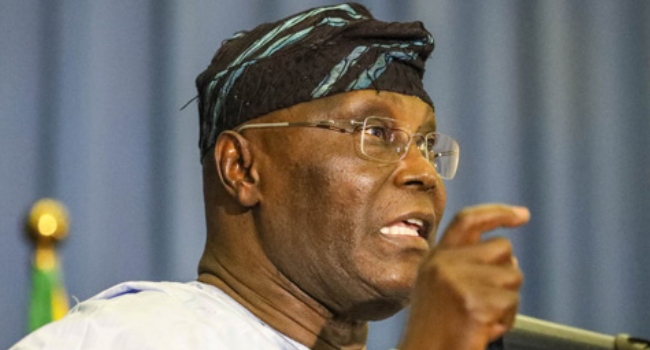
Former vice-president Atiku Abubakar told registered voters across Nigeria on Wednesday, 14 October, to collect their permanent voter cards from local government electoral offices and use the ballot box to punish President Bola Tinubu for food inflation, currency collapse, and unchecked rural violence. Hungry citizens hold real political power. The presidential candidate of the African Democratic Congress framed the fast-approaching 2027 general election as a direct national referendum on three years of aggressive fiscal measures that left ordinary parents struggling to feed their children, impoverished pensioners choosing between bread and heart medication, and rural farming communities living under the constant terror of midnight kidnapping raids.
Mr Abubakar directed his message straight at the country’s youth and working classes on social media, pointing out that crushing transport fares, soaring residential rents, and double-digit food inflation swallow entire monthly pay packets before hard-working wage earners can set aside a single kobo for emergencies. Empty pockets mock official economic claims. By reducing his campaign pitch to the plain assertion that Mr Tinubu made life unbearably expensive, the opposition challenger aims to convert widespread popular fury over commercial petrol prices that approach two thousand naira per litre into an unstoppable electoral backlash against the governing All Progressives Congress.
The Independent National Electoral Commission has opened its local secretariats to distribute voter cards to citizens who enrolled or updated their demographic data during the 2025 registration exercise, yet millions of workers still avoid collection centres because they expect chaotic queues, missing ledgers, and indifferent bureaucratic personnel. Broken logistics breed deep voter apathy. Opposition campaign strategists recognise that passionate political commentary on mobile screens will yield no actual votes on election morning if cynical citizens abandon municipal collection desks in frustration, leave their plastic accreditation cards to gather dust inside state vaults, and surrender the ballot box to well-financed ruling party client networks.
Mr Abubakar must still demonstrate how his alternative economic vision will tame food prices and restore local industrial production without triggering fresh currency panics or relying on the ruined fuel subsidies that drained trillions of naira from federal oil earnings in past administrations. Easy campaign slogans solve very few problems. A sweeping pledge to make life affordable again sounds attractive to impoverished households, yet any incoming head of state will inherit crushing sovereign debt repayments, an exchange rate that wobbles under import pressures, and cash-strapped state governments that fail to match basic education grants or pay living wages to primary teachers.
This nationwide push to collect permanent voter cards signals the formal opening of a tense political season where bread-and-butter survival and basic personal safety will dictate voting choices far more than traditional ethnic loyalties, regional zoning pacts, or backroom horse-trading among regional political godfathers. Voters judge leaders by dinner tables. Unless the presidency manages to bring down petrol prices, curb the runaway costs of staple grains, and restore physical safety to farming corridors before citizens march to the polls, millions of angry taxpayers will use their voter cards to evict the architects of their misery from power.