
A lethal cluster of diphtheria wiped out five young siblings in Danbare Ward within Kano State’s Kumbotso Local Government Area on Tuesday, 13 October, exposing the terrible human toll of northern Nigeria’s broken child immunisation system. The victims, aged between one and thirteen years, died in rapid succession within eight days after their parents brought them to clinical wards far too late to reverse swollen airways and heart damage. Preventable infections slaughter unprotected children fast. Kano State Centre for Disease Control director-general Professor Muhammad Adamu-Abbas confirmed that only four-year-old Ummahabila Ibrahim survived the family outbreak after clinical staff admitted her on 1 October with mild symptoms and discharged her in sound health following prompt medical care.
Epidemiological field checks revealed that three of the five dead children never received a single vaccine dose throughout their short lives, leaving them utterly defenceless against an ancient bacterial killer that modern medicine conquered decades ago. The mother claimed that health workers had immunised two older siblings, yet family members could show no clinical paper records because the household lost all yellow cards during a recent house move. Lost papers cost poor children their lives. That total documentation void shows how easily nomadic household migrations and peri-urban shantytown shifts defeat fragile municipal immunisation registries, leaving community nurses blind to unvaccinated infants who dwell right on city outskirts.
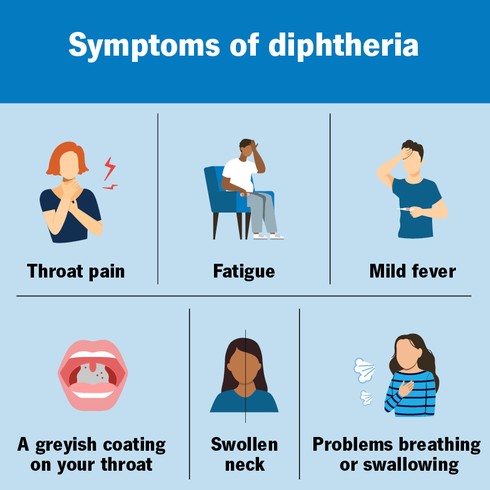
Clinical staff noted that the dying siblings showed severe throat swelling, bleeding nostrils, high fever, and thick grey membranes across their tonsils before their respiratory passages choked completely. Primary clinics in northern towns lack sufficient stocks of diphtheria antitoxin and emergency tracheostomy tools, turning routine seasonal infections into fatal clinical emergencies that rural health posts cannot manage. Simple childhood vaccines stop bacterial asphyxiation. When terrified parents finally charter motorbikes to convey gasping infants to tertiary teaching wards across city centres, massive tissue necrosis and acute toxin absorption make medical survival almost impossible.
State health authorities routinely blame parental delay for high paediatric death tolls, yet provincial leaders refuse to fund mobile vaccination caravans that reach unmapped street settlements before deadly outbreaks spread. Bureaucratic excuses provide no real shields. While northern governors squander enormous statutory allocations on ceremonial capital fleets and foreign junkets, community disease surveillance officers lack motor fuel to visit remote hamlets, verify missed childhood jabs, or supply basic penicillin syrups to neighbourhood health posts.
The tragedy in Kumbotso proves that Nigeria cannot secure basic public health while millions of rural and semi-urban children miss baseline early vaccinations. A federation that leaves seventy per cent of its primary pupils illiterate also leaves millions of vulnerable toddlers completely unprotected against easily preventable airborne toxins. Routine neglect yields preventable childhood graves. Unless regional governors establish compulsory digital immunisation records, track urban migrants, and send health workers with cool boxes directly into every village, Nigerian households will continue to bury entire nurseries in single graves.