
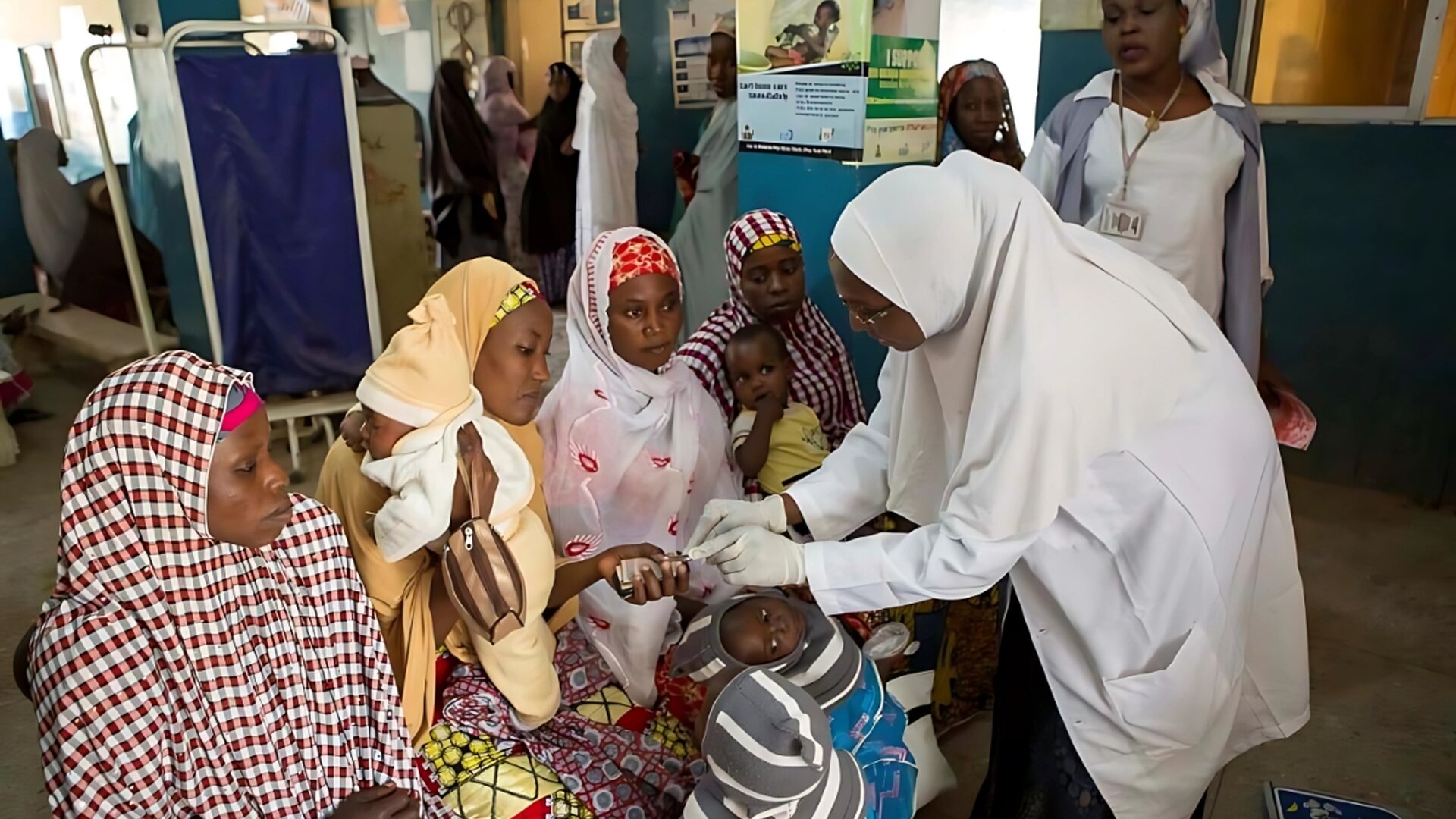
The Federal Government has launched a nationwide distribution of emergency obstetric and newborn care equipment to 252 health facilities across 30 states. Administered under the Sector-Wide Approach programme, the intervention earmarks roughly $200,000 worth of specialized medical hardware for each participating state. Abuja designs the initiative to curb Nigeria’s stubbornly high maternal and infant mortality rates. Officials claim the broader healthcare scheme has already provided critical interventions to over 40,000 women.
The newly deployed inventory targets severe infrastructure deficits in secondary healthcare facilities that have long hobbled emergency response. Rather than a uniform distribution, the health ministry customized delivery based on specific deficiencies identified by local authorities. States suffering from oxygen shortages received industrial oxygen concentrators. Meanwhile, regions reporting high neonatal mortality received pharmaceutical-grade refrigerators, infant incubators, and baby warmers.
The National Health Insurance Authority supports the logistical push, having processed over 45,000 obstetric and 3,000 neonatal claims across protected facilities since 2024. The wider programme operates on a pay-for-results system that provides financial rewards to states meeting specific performance targets. This design attempts to foster collaboration between the tiers of government, with Abuja providing hardware while states manage physical infrastructure.
Yet, structural decay threatens to blunt the impact of these expensive imported machines. Health officials freely admit that advanced hardware cannot save lives without a reliable electricity supply and functional local referral networks. Secondary hospitals across the federation routinely suffer from dilapidated buildings, broken supply chains, and erratic power grids. The state investments required to keep these new clinics running remain highly uneven across the 30 beneficiary territories.
A far more intractable hurdle is the acute shortage of qualified medical personnel to operate the new gear. Nigeria faces a severe brain drain as economic instability drives doctors and nurses to emigrate to Europe and North America. While some state governments have responded by raising salaries and introducing rural allowances, local recruitment cannot keep pace with departures. Shiny new incubators hold little value if a hospital lacks the specialist nurses required to run them.
Abuja also faces the historic challenge of securing public property against internal sabotage and corruption. The National Primary Health Care Development Agency issued stern warnings to state directors against the diversion of state property into private clinics. Given the historical weakness of public accountability mechanisms in Nigeria, keeping these $200,000 state allocations within public hospital wards will require uncharacteristic bureaucratic vigilance.