
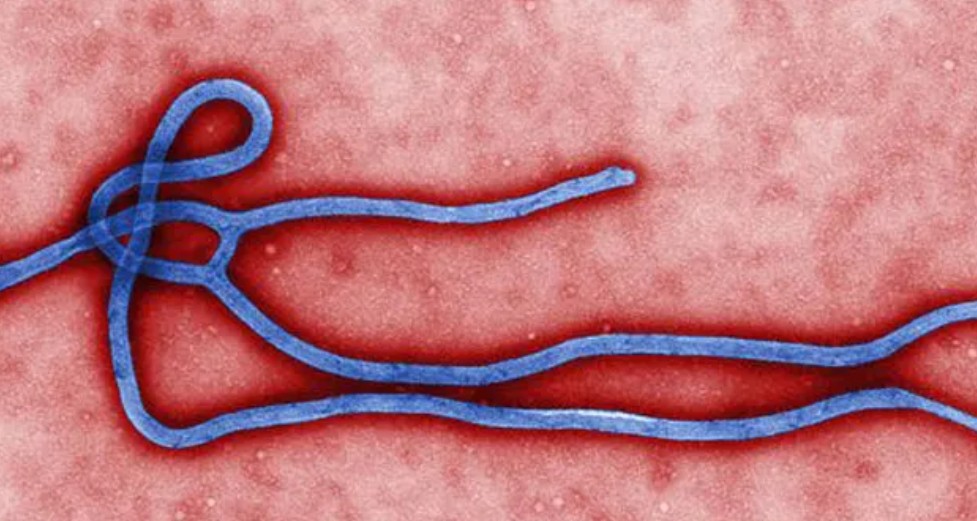
The World Health Organization has warned that the ongoing Bundibugyo Ebola outbreak has surpassed 1,480 cases, making it the third-largest Ebola epidemic on record. The bulk of the crisis remains concentrated in the eastern region of the Democratic Republic of the Congo, where 1,460 cases and 452 deaths have occurred. International health agencies declared the situation a Public Health Emergency of International Concern in May following rapid regional spread. The infection has crossed borders into neighboring Uganda, which has recorded 20 cases, and a single travel-related case has appeared in France. The rapid escalation reflects severe structural gaps in early local detection networks.
The virus strain presents unique clinical challenges for frontline responders. The Bundibugyo species is a rarer variant of the Ebola virus that lacks a licensed preventative vaccine or approved treatment. Unlike the more common Zaire strain, which doctors manage with standard immunisations, medical teams here rely entirely on experimental protocols. A clinical trial has launched in the city of Bunia to test a new antibody drug alongside an existing antiviral agent. Frontline capacity has expanded to 650 specialized treatment beds across the region. However, roughly 96 per cent of these medical spaces are already full.
Local geography and insecurity heavily hinder the international humanitarian response. Ituri Province remains the primary epicentre of the outbreak, accounting for over 91 per cent of all confirmed infections nationwide. This eastern border zone suffers from chronic militia violence, weak health infrastructure, and massive internal population displacement. Armed groups recently targeted and looted two separate medical isolation centres in Ituri. These security breaches allowed dozens of infected individuals to flee the clinics into surrounding communities. Such attacks complicate efforts to track down exposed citizens and contain localized transmission.
Public health workers are managing an immense contact-tracing operation under volatile conditions. Teams are tracking more than 10,800 active contacts across the provinces of Ituri and North Kivu to disrupt the infection chain. The virus has killed at least 25 medical personnel, illustrating the high operational risk facing local clinical staff. The World Health Organization and the Africa Centres for Disease Control have proposed a six-month continental containment budget of 518 million dollars. The funds aim to scale up laboratory testing, secure transport logistics, and deploy international emergency specialists.
International border authorities are raising alert levels to prevent global transmission. While the risk to distant nations remains low, global aviation hubs in the United States and Europe have introduced enhanced entry screening for arrivals from the region. The primary containment battle must occur at the African border crossings, where high population mobility drives transmission. The domestic health ministries of the Democratic Republic of the Congo and Uganda are coordinating border monitoring. Yet, the vast, porous terrain makes total movement control nearly impossible.
The immediate path forward depends on steady funding and community cooperation. Health officials warn that the epidemic will continue to outpace regional isolation efforts if local populations resist medical protocols. Rebuilding community trust is essential to stop the hiding of infected relatives and prevent unsafe traditional burials. The massive rise in official case numbers stems partly from improved laboratory capacity, but true disease control is far off. For now, central Africa faces a long, dangerous struggle against a highly adaptable pathogen.