
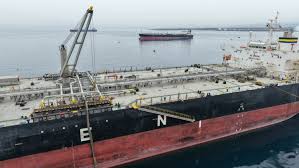
Iran has begun reaping cash from its stranglehold on the Strait of Hormuz, with a senior parliamentary official confirming on Thursday that the first toll fees imposed on commercial shipping have been deposited into the country’s Central Bank.
“The first revenue received from the Strait of Hormuz tolls was deposited into the Central Bank account,” deputy speaker of parliament Hamidreza Hajibabaei told the Tasnim news agency. Other Iranian media carried the same statement without providing figures or details of how many vessels had paid.
The announcement marks a significant escalation in the economic dimensions of the Middle East conflict that erupted on February 28. The Strait of Hormuz, through which one-fifth of the world’s oil and gas supplies normally flow alongside other vital commodities, has become a primary battleground in the war pitting Iran against the United States and Israel. Since hostilities began, Tehran has allowed only a trickle of tankers to transit the waterway, throttling global energy markets.
Before Thursday’s revenue disclosure, Iranian officials had been weighing whether to formalise a toll regime, warning that maritime traffic through the strait would “not return to its pre-war status.” On March 30, state media reported that parliament’s security commission had approved plans to impose levies, although it remained unclear whether the full chamber had taken a binding vote. Hajibabaei’s statement on Thursday appears to confirm that collections are already underway regardless of any outstanding legislative formality.
The move comes as United States President Donald Trump intensifies pressure on Tehran to reopen the chokepoint. In parallel, Britain, France and military planners from more than 30 nations have held talks on protecting freedom of navigation through the strait. According to AFP, Paris and London have signalled they will lead a multinational maritime mission “as soon as conditions allow.”
Global energy chokepoint watchers note that the Strait of Hormuz handled an average of about 21 million barrels per day of crude and petroleum products before the war. With toll collections now underway and no end to hostilities in sight, shipping costs and insurance premiums are expected to climb further, placing fresh strain on economies heavily dependent on Gulf energy exports.