
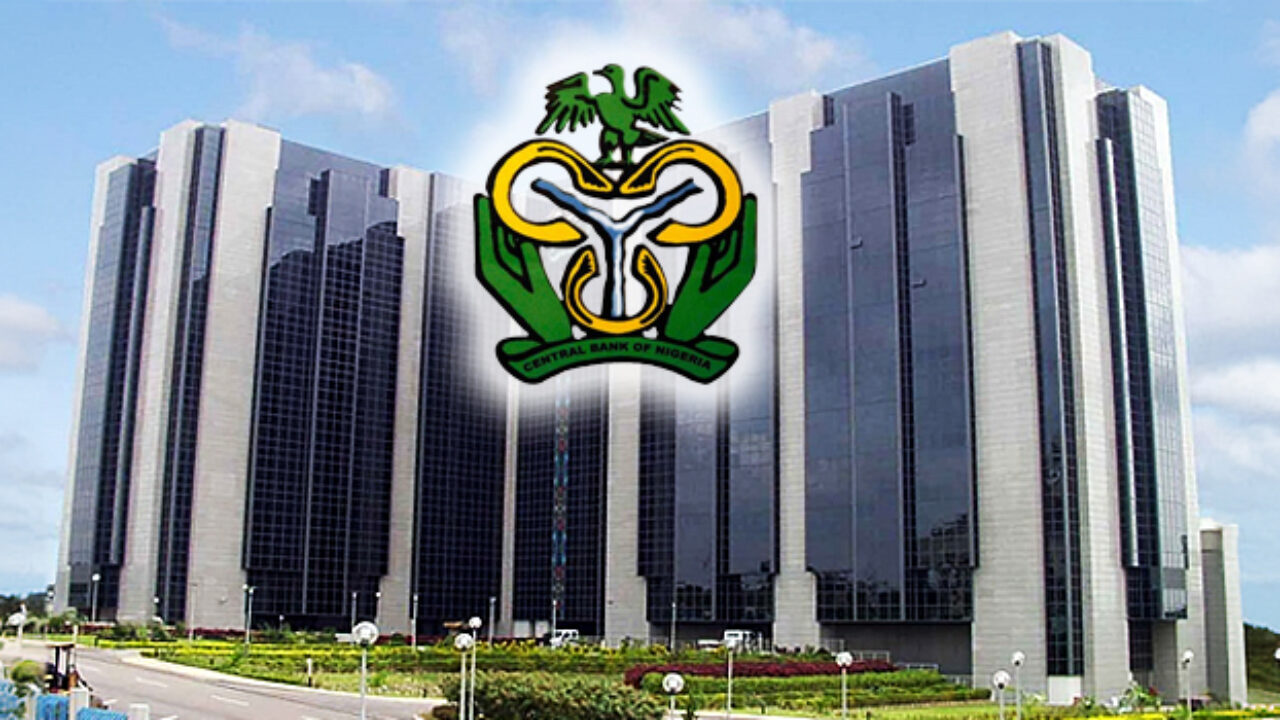
The Central Bank of Nigeria mopped up 12.14 trillion naira in surplus cash from commercial banking vaults across the country throughout September 2026, mounting an unrelenting liquidity withdrawal to halt runaway consumer price inflation, suppress speculative currency runs, and protect the battered domestic legal tender from another disastrous collapse. Governor Olayemi Cardoso directed this aggressive monetary purge from his headquarters in Abuja through massive Open Market Operations auctions, selling high-yielding short-term debt instruments to sweep away idle cash balances before commercial treasurers and street currency traders could deploy those funds against the naira in parallel foreign exchange markets. Cheap money feeds destructive currency speculation.
Record monthly revenue disbursements from the Federation Account Allocation Committee had flooded thirty-six state capitals, local government councils, and private banking halls with trillions of fresh oil and tax naira, threatening to obliterate the fragile price stability that central bank planners fought so desperately to build over recent months. Commercial lenders eagerly dumped idle cash reserves into these lucrative sovereign debt offerings, pocketing fat nominal yields near twenty per cent instead of extending essential loans to local factory owners, small retail merchants, or commercial food producers who groan under the crushing weight of unaffordable borrowing costs. Banks prefer sovereign paper over productive enterprise.
Monetary authorities simultaneously imposed punishing Cash Reserve Ratio deductions on financial institutions that breached statutory lending guidelines, seizing vast pools of loanable funds from commercial accounts in Lagos and Abuja to choke off growth in the broad national money supply and force commercial lenders into line. This deliberate credit squeeze starves the productive private sector of affordable working capital, pushing commercial lending rates well above thirty-five per cent and driving struggling industrial firms toward painful factory closures while comfortable state officials in Abuja boast about their return to orthodox monetary discipline. Crushing local business carries high long-term costs.
Global portfolio investors rushed into these high-yielding treasury and liquidity bill auctions with enormous commercial enthusiasm, moving billions of fresh American dollars into domestic custody to exploit the wide interest spread between steep Nigerian yields and falling borrowing costs across major Western financial centres like London and New York. These sudden foreign capital injections handed central bank currency dealers enough hard foreign exchange to calm nervous trading floors, settle pending commercial import invoices, and narrow the historic spread between the official exchange window and unlicensed street operators across Lagos and Kano. Fickle hot money always departs very quickly.
Central bank directors stubbornly insist that locking up excess domestic cash represents their single viable weapon to suppress double-digit consumer price inflation, stabilise spiralling commuter transport fares, and stop basic household food items from climbing completely beyond the reach of impoverished working families before the upcoming December holiday season. Yet sterile central bank vaults cannot repair dilapidated interstate transport highways, revive dormant state oil refineries, or protect vulnerable farming communities across the food-producing middle belt where violent criminal gangs continue to disrupt essential agricultural harvests and drive up rural market prices. Paper contractions cannot build lasting national prosperity.