
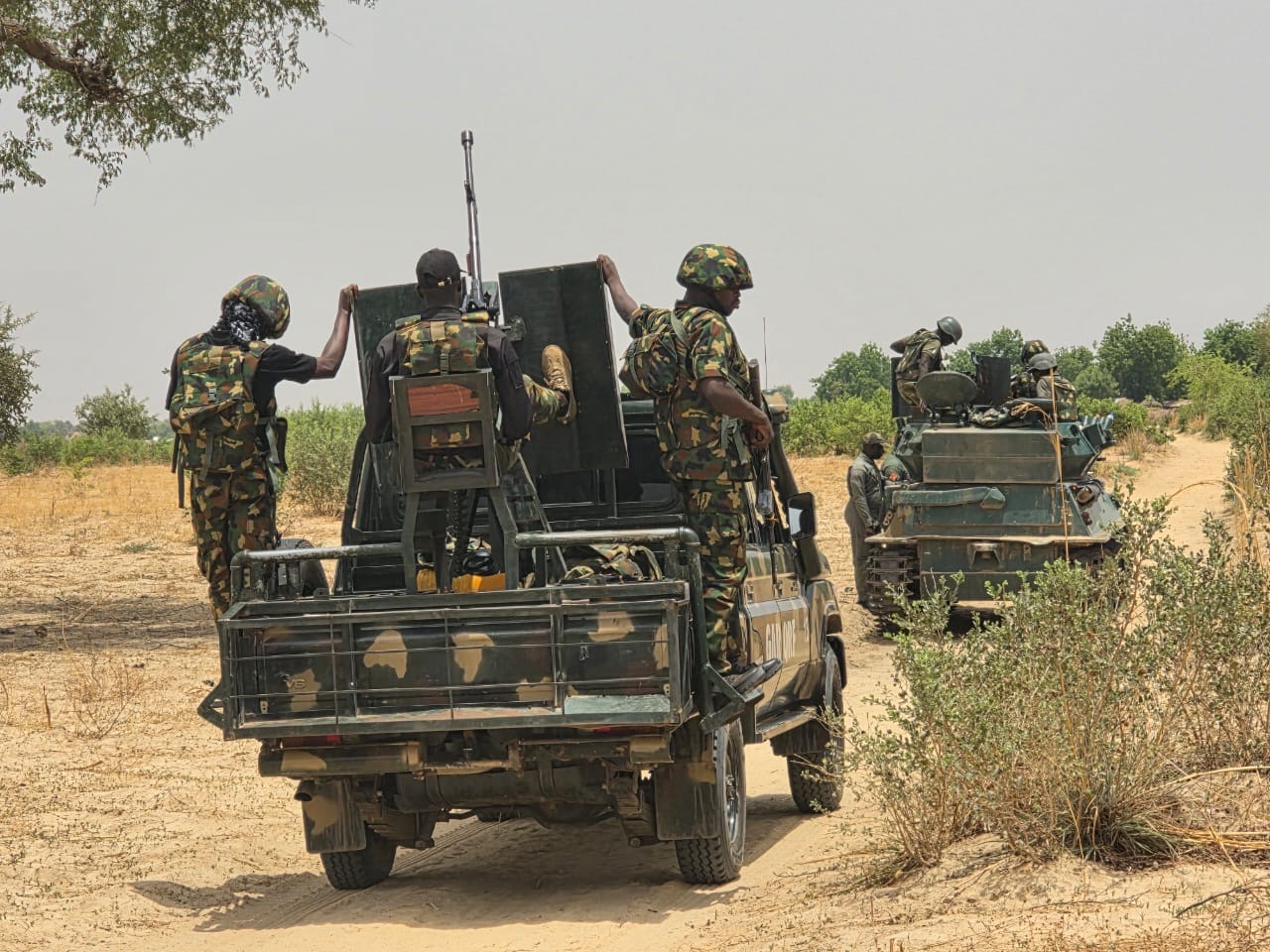
A joint tactical strike team tracking Islamic State West Africa Province operatives through the dense forest belt of Owo in Ondo State tracked down and killed the group’s regional operational commander, Abdussamad Ohida, on Sunday, 4 October 2026. The dawn assault combined ground strike forces from the Nigerian Army, the Department of State Services, and the regional Amotekun security corps to cut down the insurgent commander before his network could strike civilian targets during the upcoming Christmas season. Hard intelligence stopped sudden bloodshed.
Military officers and secret police analysts built the operation on strategic security data gathered in direct collaboration with British intelligence services, tracking the militant’s radio trails and remote hideouts deep across the south-western woodlands. Ohida, widely known within extremist networks by his operational alias Anwar, originally served as the primary deputy to the insurgent group’s central Nigerian chief, Abu Ikrimah, before secret police operatives arrested his superior during a covert cordon-and-search mission three years ago. Interrogations cracked hidden insurgent routes.
Following that arrest, the slain commander directed an aggressive campaign to plant jihadist sleeper cells across the forests of the southern savannah, using thick bush canopies and isolated farm communities to evade state surveillance units. Security dossiers link his tactical cell to the bloody December 2025 raid on the Ipele Divisional Police Station in Owo, where gunmen stole eight service rifles and bombed the compound. Stolen rifles arm deep terror.
Investigators also hold him responsible for coordinating the massive July 2022 raid on the Kuje Correctional Centre in Abuja and the lethal checkpoint ambush along the Suleja-Zuba expressway. His sudden elimination in Ondo State proves that the extremist rebellion, once confined to the semi-arid marshes of Lake Chad, continues to seek permanent bases in southern timber reserves to threaten federal road networks and destabilise preparations for the 2027 general elections. Insurgents want deep southern footholds.
State security managers must clear these extensive woodland gaps rather than celebrate individual body counts after intelligence raids. The persistent drift of armed jihadist commanders toward agricultural valleys in the south-west reveals that broken border checks, porous interior forests, and undermanned police divisions offer easy shelter to dangerous transnational syndicates. Dead commanders can spawn replacements.