
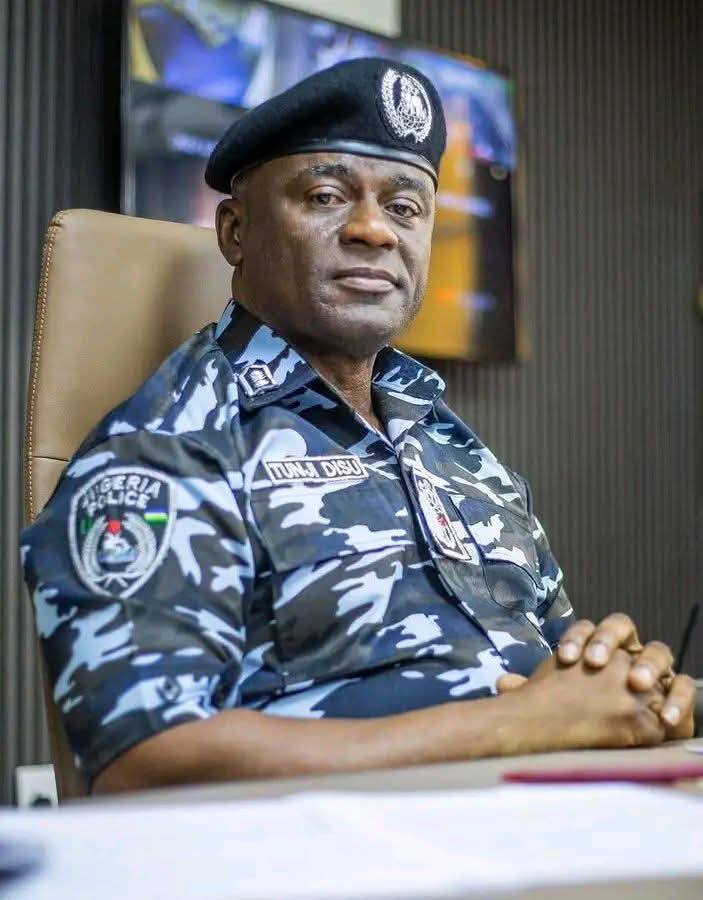
Nigeria’s top police officer has reopened an old wound about citizen oversight and street-level impunity. Inspector-General of Police Olatunji Disu warned the public against the indiscriminate filming of officers, claiming the practice demoralises personnel and disrupts delicate security operations. Human rights groups, opposition politicians, and the Nigerian Bar Association quickly pushed back against any official attempt to restrict cameras in public spaces. The controversy pits a wary police high command against citizens who view mobile phones as their only shield against extortion. The debate reaches the core of democratic policing in an era of digital scrutiny. Disu insists he merely seeks order and wants to stop content creators from turning uniforms into social media jokes. Nigerians see the warning as an effort to roll back hard-won accountability. Cameras remain the only reliable witness on Nigerian roads.
The legal foundation for filming state agents in public spaces rests on firm ground. Justice Hyeladzira Nganjiwa of the Federal High Court in Warri settled the dispute on 17 March. The judge ruled that citizens possess a constitutional right to record police officers performing duties in public. That landmark verdict also ordered officers to display their names and service numbers visibly during all operations. Nigerian Bar Association President Oyinkansola Badejo-Okusanya endorsed that legal benchmark while asking for practical rules to separate official duties from off-duty private life. The bar association draws a line between recording armed men at checkpoints and filming off-duty constables buying food. That distinction matters because official state power cannot claim personal privacy while carrying assault rifles in traffic. A court order ought to settle administrative anxiety.
Civil society advocates argue that fear of the lens exposes deeper institutional rot. Amnesty International Country Director Isa Sanusi noted that decent, transparent officers have no reason to mind public cameras. Gerald Katchy of the Committee for the Defence of Human Rights pointed out that modern police forces rely on body-worn cameras rather than blanket bans. Filming protects the upright officer from false claims just as much as it exposes the rogue cop demanding bribes. Professional training should give officers the poise to face a telephone screen without reaching for their triggers. Those who behave with honour do not fear evidence. The suggestion that video clips damage morale says more about institutional culture than public conduct. Accountability strengthens disciplined units instead of weakening them.
The African Action Congress framed the issue around basic personal safety in lawless territory. The party pointed out that ordinary commuters face illegal checkpoints, extortion rackets, and armed criminals masquerading in police uniforms every day. Section 39 of the 1999 Constitution guarantees the right to receive and share information without state interference. Citizens trapped at murky roadblocks need to record who stops them, where they stand, and what demands follow. Stripping drivers of digital documentation leaves them defenceless before armed men who often refuse to show badges. The police leadership cannot realistically ask citizens to drop their cameras while predatory behaviour persists along major highways. Cameras document truth where official complaints departments fail. For millions of travellers, a live video feed offers the best life insurance available.
Defenders of the police command urge caution against the tyranny of viral outtakes. Public affairs analyst Rufus Egbagba argued that Disu never meant to shield corrupt officers from legal consequences. Short video clips often omit the provocations, insults, or physical resistance that precede a clash. Social media algorithms feed on confrontation, which can turn an isolated dispute into a national scandal within minutes. Skit makers sometimes bait officers to generate clicks and advertising revenue online. Egbagba noted that circulating out-of-context clips brands the entire police force as villains rather than identifying specific bad apples. The force maintains formal channels like the Police Complaint Response Unit to receive unedited footage and investigate abuses. Unchecked online mob justice brings its own distortions.
The dispute highlights a vast trust deficit that administrative directives cannot bridge. The Nigeria Police Force has spent decades trying to shake off a reputation for heavy-handed enforcement and road-tax extortion. Citizens remember that every reform initiative since the street protests of 2020 promised greater openness. When the country’s most senior policeman tells the public to put down their phones, alarms ring across the country. Official assurances of internal accountability ring hollow when discipline occurs behind closed doors. The public relies on immediate social media exposure because paper petitions rarely produce results. A police leadership genuinely committed to reform would embrace the digital camera as an ally. Mutual suspicion will thrive until badges become symbols of service rather than fear.
The path forward requires institutional equipment rather than administrative warnings to the public. If the force wants to protect its officers from selective video editing, it should buy body cameras for front-line patrols. Independent audio and video records protect officers from spurious allegations while holding abusive personnel accountable to the law. Police authorities must also punish officers who assault civilians for simply holding mobile phones at checkpoints. Clear operational manuals should guide both constables and citizens on where public scrutiny ends, and obstruction begins. Modern policing requires open glass walls rather than high barracks fences. The camera will remain on Nigerian streets whether headquarters welcomes it or not.