
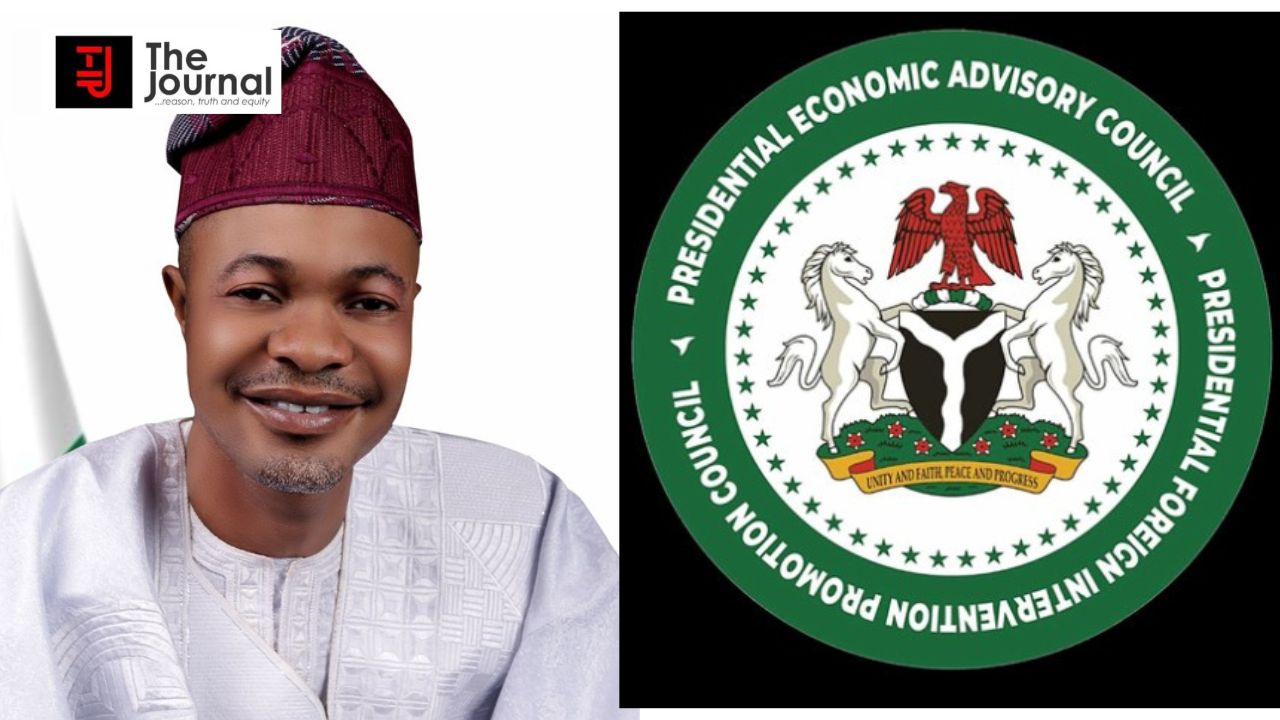
Federal prosecutors expanded corruption charges against Adeyemi Adeniyi on 9 November 2026, filing 36 counts at the Federal Capital Territory High Court over a fake presidential council. Anti-graft investigators joined four civil servants—Aminu Abdullahi, Ogaba Harry, Florence Omameh, and Patricia Akhigbe—as co-defendants in the expanding fraud scheme. The prosecution says the syndicate created a non-existent foreign investment council to siphon public money and run illegal operations.
Investigators caught Adeniyi posing as director-general of the fictitious Presidential Foreign Intervention Promotion Council. Court records show Adeniyi opened 34 bank accounts, sought official American visa documentation, and tried to secure 1.3 billion naira in the 2026 national budget. Weak administrative checks allowed the syndicate to operate inside official circles for months without detection. Institutional blind spots invite bold fraud.
Plea taking stalled on Monday because Florence Omameh failed to appear in court due to sudden illness. Senior advocate Sylvanus Tahir cited criminal procedure rules requiring all defendants to stand inside the dock together during formal arraignment. Defence lawyer Ibrahim Angulu raised no objection to the delay, though he highlighted Adeniyi’s long stay in custody. Justice Yusuf Halilu adjourned the hearing to 18 November 2026 to allow Omameh time to recover.
Justice Halilu ordered security officers to take Adeniyi back to Kuje Correctional Centre until the next court session. The judge directed anti-corruption agents to keep the four co-defendants inside administrative custody. Moving civil servants from office desks to detention cells highlights how deeply the fake agency compromised state institutions. Systemic leaks wreck public trust.
The case exposes how easily rogue actors manipulate civil service bureaucracy to extract public funds. Budget officers nearly allocated over one billion naira to an entity that existed only on forged letterheads. Fraudsters exploit poor oversight mechanisms to turn state structures into private cash points. Oversight must replace blind trust.
A convictions sweep will send a clear message to syndicates targeting the national treasury. Yet prosecuting a fake director-general does not fix the procedural flaws that allowed his fictitious council to approach the national budget. Federal managers must overhaul internal verification protocols to protect state funds from fraud. True reform requires structural vigilance.