
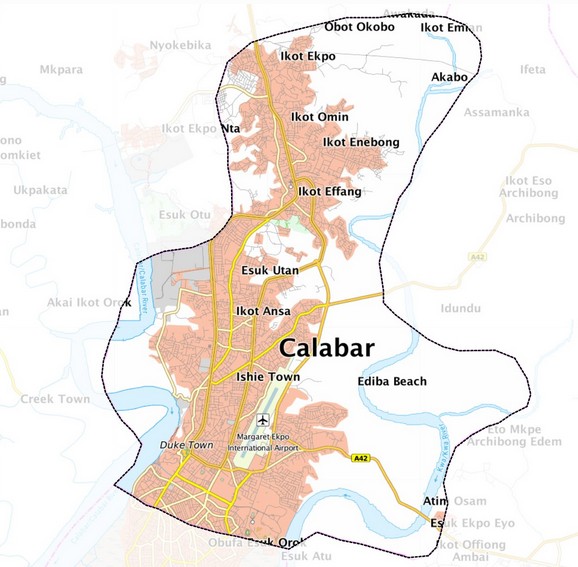
Gunmen abducted 15 passengers on the Calabar-Oron waterways last Friday. The victims were travelling by ferry from Cross River to Akwa Ibom when the attackers struck. Police confirmed the incident following a report from a naval officer. Security forces now scramble to track the kidnappers. The trail remains cold for now.
The Cross River police spokesperson, Sunday Eitokpah, stated that his command is coordinating with their Akwa Ibom counterparts and the Navy. Joint teams have launched tactical search-and-rescue operations. These efforts aim to secure the release of the victims. Authorities also intend to arrest the perpetrators. Success depends on inter-agency cooperation.
Travelers increasingly choose the waterways as an alternative to land transport. The Calabar-Itu Federal Highway remains in a state of total disrepair. This decay forces commuters onto vulnerable river routes. Criminals exploit this shift in passenger patterns. They view these crowded ferries as soft, high-value targets.
This incident marks a grim trend on this specific corridor. Abductors seized 17 people on these same waters just seven months ago. A similar attack in April 2025 saw 20 passengers taken hostage. These repeated raids suggest a persistent failure in maritime surveillance. Criminal networks operate with relative ease across these borders.
Kidnapping for ransom has emerged as a low-risk, high-reward industry in Nigeria. Students, clerics, and ordinary workers now face constant threats. It turns daily movement into a dangerous gamble. The state struggles to project power into these rural and aquatic zones. Policy must move beyond mere reactive searches.
Infrastructure failure creates security voids. Until the government repairs the highway, commuters face these aquatic traps. Economic activity between the two states will continue to suffer. Security rests on both iron and concrete. Neither is currently adequate to protect the citizens.