
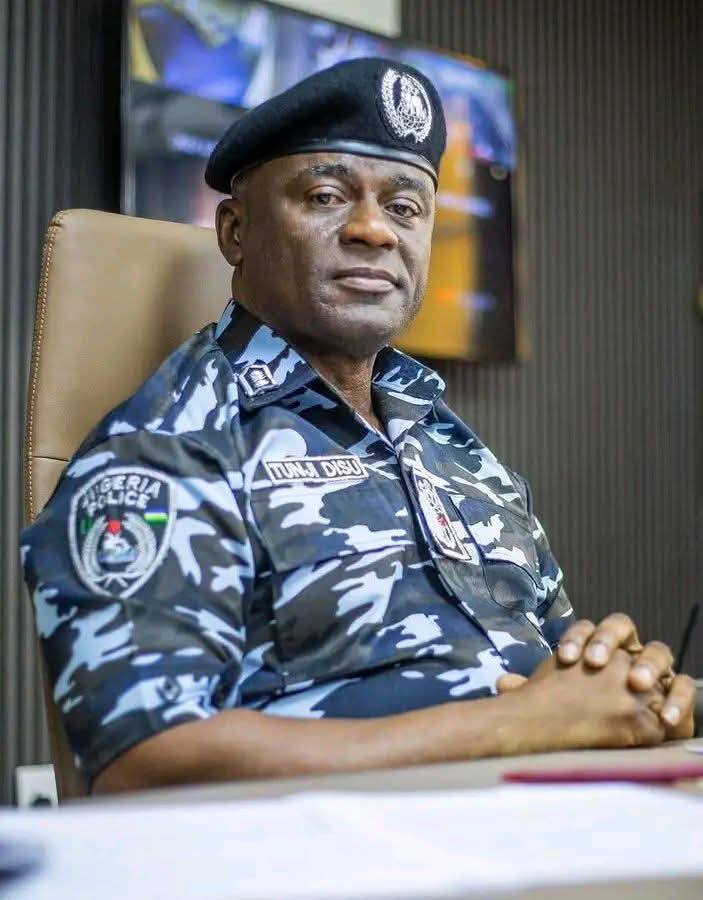
Nigeria is attempting to turn its police colleges into credible academic institutions. Inspector-General of Police Olatunji Disu has launched a plan to secure formal accreditation for all 42 training centres across the country. This move shifts the focus from mere drill-and-discipline to a more rigorous academic framework. The goal is to produce officers who can think as well as they can shoot. It is an admission that the current system is no longer fit for purpose.
The reform gathered momentum during a high-level strategy session at the Federal Ministry of Education in Abuja. Ministers Maruf Alausa and Suwaiba Ahmad met with policing stakeholders to align these colleges with national education standards. The presence of former IGP Kayode Egbetokun lent the proceedings an air of institutional continuity. Force Public Relations Officer Anthony Placid confirmed that the push is about more than just titles. It aims to institutionalise excellence in a force often criticised for its lack of it.
Infrastructure is the most immediate hurdle for this ambitious programme. Many colleges currently lack the basic facilities required for a tertiary learning environment. The police now plan to work with the Tertiary Education Trust Fund to build modern classrooms and labs. These upgrades are a prerequisite for the National Universities Commission to begin resource verification. The force has set a strict timeline to get these facilities up to code. One major target is to make the Ogun State campus fully operational by the 2026 academic session.
Disu argues that academic rigour must sit alongside tactical training. He believes this hybrid approach will build a force that acts with greater integrity. Modern security challenges require officers who understand the law and human rights. Tactical skill alone cannot fix the deep-seated trust issues between the police and the public. A better-educated officer is, in theory, a more professional one. Whether bricks and mortar can change the soul of the force remains to be seen.
The National Universities Commission will play the role of the gatekeeper in this process. They will inspect each of the 42 sites to ensure they meet the criteria for accreditation. This involves checking everything from library stocks to the qualifications of the instructors. It is a massive administrative task for a force that already has its hands full with security. If successful, these colleges will issue certificates that hold value in the wider job market. This could help with recruitment and long-term career development for rank-and-file officers.
A service-oriented police force is a long-standing promise in Nigerian politics. Past efforts have often stalled due to a lack of funding or political will. By involving the Ministry of Education, the police are trying to lock in these reforms. They are moving the training of officers out of a silo and into the mainstream education system. Success here would mark a significant shift in how Nigeria prepares its law enforcement. The public will be watching to see if better schools lead to better policing.