
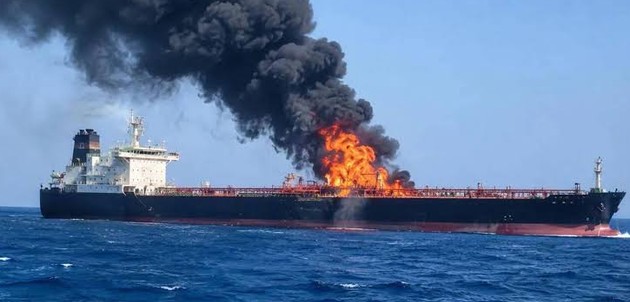
Iranian naval forces struck multiple oil tankers and intercepted an enemy drone across the Strait of Hormuz on 30 October 2026. The Islamic Revolutionary Guard Corps and the Iranian regular navy claimed that several vessels caught fire after hitting naval mines along unauthorised southern transit routes. Regional maritime authorities confirmed urgent rescue missions, with the Royal Navy of Oman evacuating 25 crew members from a burning commercial ship off the Musandam governorate. Tehran blamed ship operators for turning off location transponders and defying direct radio warnings from coastal command posts.
The naval escalation directly refutes claims from Washington that Western coalition forces have secured the strategic chokepoint. US Central Command insisted earlier in the week that mine-clearing detachments had purged primary international shipping lanes of Iranian explosives. Yet Iranian military commanders warned foreign fleets that untracked southern sea lanes remain heavily mined and dangerous for commercial transit. Tehran insists that all commercial vessels must register their routes directly with Iranian port controllers rather than relying on American naval escorts. High-seas brinkmanship threatens the flow of global crude shipments passing through the Gulf.
Naval skirmishes around the strait demonstrate how state-sponsored maritime warfare can choke global energy supply chains without formal declarations of war. Unmanned surface vessels, sea mines, and electronic jamming units allow asymmetric forces to disrupt supertanker traffic at minimal expense. Commercial insurers continue to hike war-risk premiums for foreign tankers navigating the narrow passage, driving up freight costs for international importers. Tehran uses these tactical strikes to prove its operational control over vital shipping corridors. Pumping naval escorts into the narrow waterway fails to prevent stealthy mine deployment.
Military planners in Washington face a difficult choice between escalating naval patrols or accepting Iranian transit conditions. Deploying extra warships into restricted waters increases the risk of direct kinetic clashes between coalition forces and coastal missile batteries. Meanwhile, Qatari diplomats continue shuttle negotiations in Tehran to establish binding maritime safety protocols and prevent total energy blockades. Yet ideological mistrust and competing security demands leave little common ground for diplomatic compromises. Western powers cannot guarantee merchant shipping safety while Iranian forces control the surrounding coastline.
Sustained disruptions inside the Strait of Hormuz threaten to send global crude oil prices surging past multi-year records. Import-dependent economies across Asia and Europe face fresh inflationary shocks if energy shipments remain trapped inside Gulf ports. Shipowners now weigh the immense financial risk of navigating mined channels against the steep cost of taking long detours around foreign capes. Sovereign states must decide whether to respect Iranian maritime demands or risk catastrophic ship losses. The strategic balance in the Gulf rests on explosive sea mines rather than diplomatic treaties.
The confrontation highlights the systemic vulnerability of global supply chains to local maritime chokepoints. Commercial fleets cannot operate safely while regional navies turn vital sea lanes into active combat zones. Tehran will continue to enforce its unilateral transit rules as long as coalition forces fail to neutralise coastal mine-laying operations. Diplomatic talk offers zero protection to commercial crews navigating mined waters. Global markets must prepare for prolonged volatility as energy security hangs by a thread in the Gulf.