
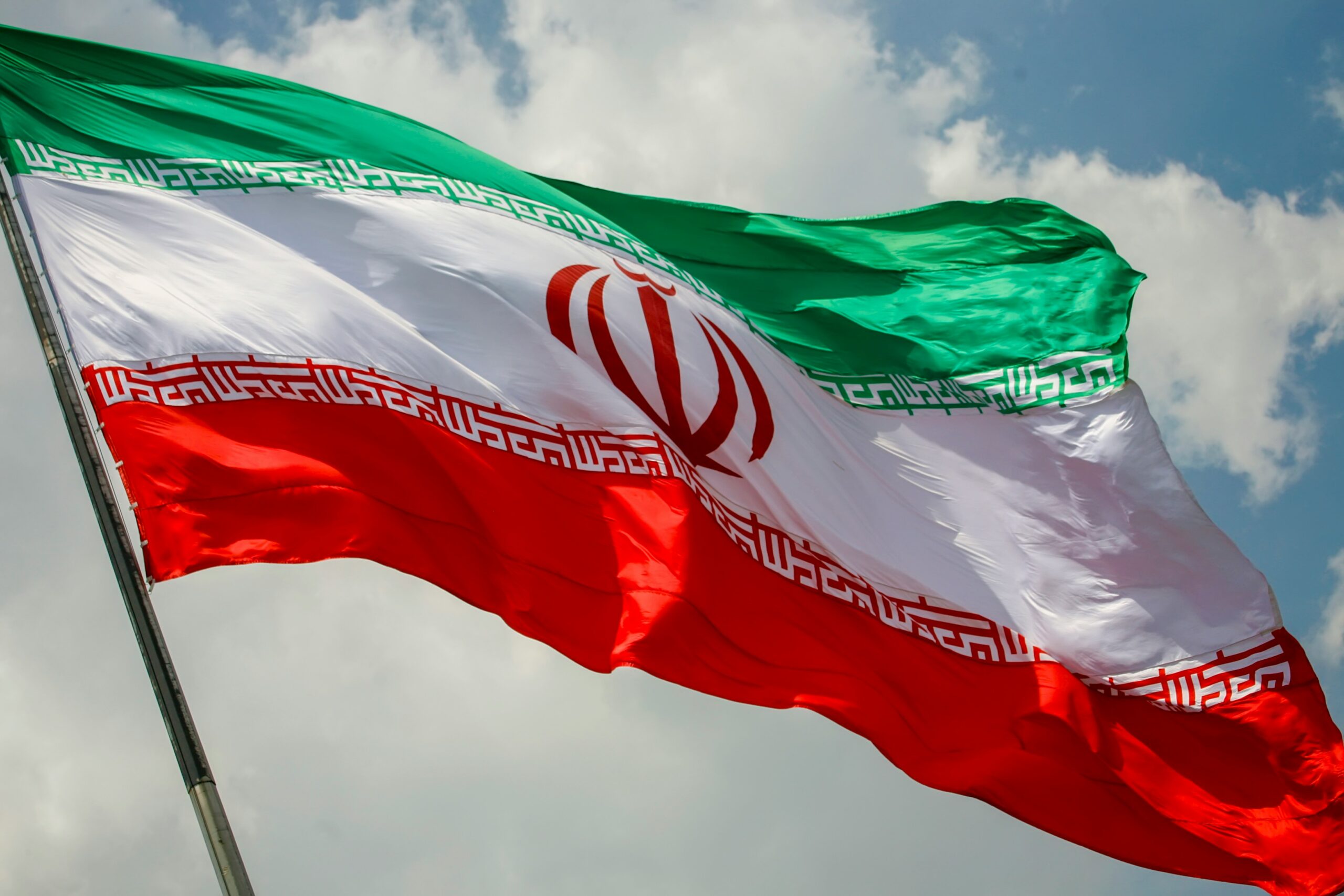
Iran has promised a crushing military response after Donald Trump threatened unprecedented economic warfare to collapse its government. US Treasury Secretary Scott Bessent announced that Washington will unveil the most aggressive sanctions package in modern history on Monday. Major General Ali Abdollahi warned that Iranian armed forces stand ready across land, sea, air, and cyberspace to deliver punishing counter-strikes. The White House insists that severe financial isolation will force Tehran to end months of maritime disruptions in the Persian Gulf. Economic coercion rarely bends entrenched ideological regimes. Both sides now edge closer to a wider regional conflagration.
The latest escalation follows Trump’s public warning that any nation offering commercial lifelines to Iran will face severe economic retaliation. That sweeping threat aims directly at Beijing, which buys over 80 per cent of Iranian seaborne crude exports. Squeezing Chinese buyers risks triggering sharp trade retaliation against American supply chains and critical mineral imports. Washington hopes secondary sanctions will close the remaining gaps left by its naval enforcement operations in the region. Financial threats test the limits of American leverage. Asian energy buyers will hardly abandon cheap crude without resistance.
The geopolitical standoff has already choked commercial tanker traffic through the strategic Strait of Hormuz. Shiptracking figures from the Kpler Maritime Analysis show only a handful of cargo vessels braving the narrow waterway each day compared to normal pre-war volumes. Global crude prices climbed toward monthly highs as commodity traders factored prolonged supply disruptions into futures contracts. US officials claim that maximum financial pressure reduces the need for large-scale kinetic strikes. Sanctions alone will not reopen vital sea lanes. Energy markets remain hostage to military miscalculation in the Gulf.
In Tehran, political leaders frame the American economic push as a desperate admission of military failure. Iranian Parliament Speaker Mohammad Baqer Qalibaf told regional business leaders in Baghdad that Washington cannot prevail on the battlefield. Iranian President Masoud Pezeshkian maintains that his government negotiates from a position of relative domestic strength. Tehran is rushing to cement preferential trade pacts with neighbours like Oman to bypass Western banking networks. Rhetoric cannot mask deep domestic economic pain. Decades of isolation have battered ordinary Iranian households with heavy inflation.
The shift to economic confrontation reflects growing domestic political pressure on the White House ahead of midterm elections. Surging domestic fuel prices continue to drag down presidential approval ratings across key American swing states. Two previous ceasefire attempts in April and June collapsed within weeks over maritime transit disputes. Hawks in Washington believe bankrupting the clerical regime offers the cleanest exit from an unpopular foreign conflict. Quick economic victories remain an elusive wartime fantasy. Coercive finance often hardens political resolve rather than breaking it.
Iranian commanders still hold tactical cards along the Persian Gulf coastline. Regional proxies can strike critical energy infrastructure across neighbouring Gulf states with cheap suicide drones and cruise missiles. Raising the stakes through secondary sanctions could push Tehran into a formal nuclear breakout to deter future American attacks. Western allies worry that total economic siege leaves Iranian generals with very little left to lose. Desperate regimes invariably choose risky military gambles. The path to diplomatic compromise narrows with every fresh ultimatum.