
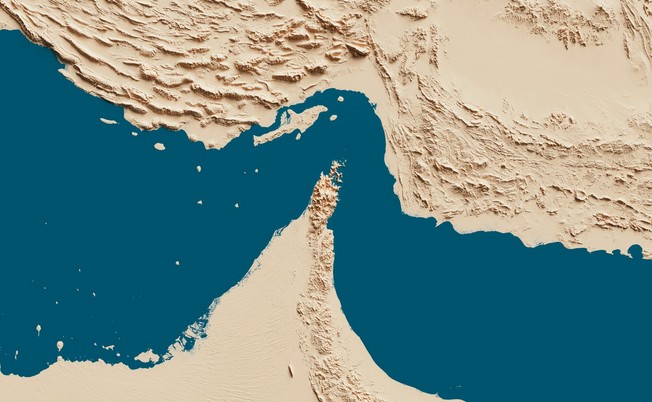
Iran’s Islamic Revolutionary Guard Corps declared the Strait of Hormuz closed on Saturday after sea strikes hit three commercial oil tankers navigating the strategic chokepoint. The naval arm of the Guards singled out a vessel carrying two million barrels of crude oil, claiming the ship entered unauthorised waters without clearance from Iranian maritime controllers. Chokepoints dictate global trade terms ruthlessly. The United Kingdom Maritime Trade Operations agency confirmed that attackers aboard small speedboats fired a rocket-propelled grenade into one commercial hull, while another supertanker caught fire after striking a naval mine. Maritime insurers now price passage through the narrow Persian Gulf corridor as an active war zone.
Tehran uses naval guerrilla tactics in narrow waters to remind Washington that a regional war carries punishing economic costs. Gunboats and mines shift market calculations quickly. United States President Donald Trump countered that the American fifth fleet maintains an effective naval blockade that prevents Iranian hulls from crossing the shipping lane. Both sides now enforce competing operational bans across thirty miles of water that handle one-fifth of global oil consumption. Confrontation in the strait quickly ruins maritime neutrality.
War planners in Tehran calculated their tactical moves around high American inflation and upcoming midterm elections. Iranian spokesmen deliberately issue English-language statements highlighting rising retail fuel prices across western markets and disruptions to merchant sea lanes. Spiking petrol prices rattle politicians everywhere. A closure of Hormuz immediately hits Asian refiners and European consumers who lack direct pipeline alternatives around the Arabian Peninsula. Energy shocks ripple across the globe fast.
Washington’s naval blockade faces harsh practical limits against asymmetric sea swarms and floating naval mines. Even as Trump publicly rules out deploying nuclear arms against Iranian targets, American warships cannot guarantee round-the-clock air and surface escort for hundreds of foreign commercial tankers. Mines do not discriminate between flags. Shipowners will anchor outside the Gulf of Oman rather than risk losing hulls to cheap rockets fired from speedboats. Uninsured merchant fleets stay in port.
The crisis exposes how regional conflict drags critical international transit corridors into bitter siege warfare. Regional allies like Yemen’s Houthis expand the tactical map by launching strikes against Aden’s airport and government palaces, proving that fighting will not stay confined to Iranian borders. Broader wars create wider targets. Western governments face the hard choice of either deploying heavy naval convoys into narrow waters or watching fuel shortages slow down their domestic economies. Brinkmanship inside the Strait of Hormuz always exacts a steep toll.