
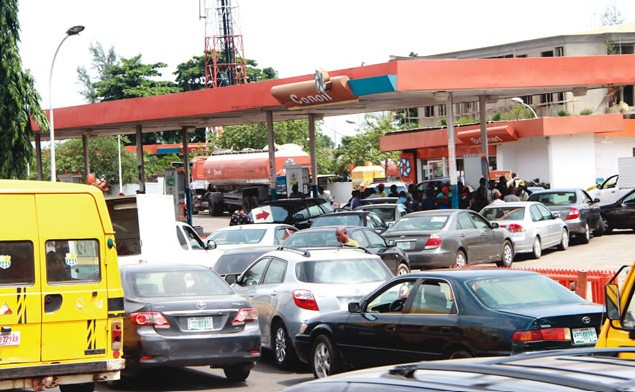
Nigeria’s organised labour and main opposition leaders mounted fresh pressure on President Bola Tinubu on Wednesday, 16 September 2026, demanding urgent relief after petrol pump prices hit fresh peaks across the federation. The Nigeria Labour Congress called on the federal government to grant immediate wage awards to workers and supply crude to domestic refineries in naira to check retail price surges. The intervention follows sudden price adjustments that pushed petrol to 1,430 naira per litre at state oil retail outlets in Abuja and up to 1,470 naira in outlying states. Comrade Joe Ajaero, the labour union leader, warned that the latest increases inflict incalculable damage on household wages and basic living standards. He urged ministers to stop hiding behind market deregulation while citizens sink deeper into poverty. Fuel price jumps quickly swallow working-class pay.
The surge at retail outlets quickly spread across the country and sparked public anger. In major cities, filling stations belonging to the Nigerian National Petroleum Company Limited raised pump prices by 50 to 80 naira per litre. Motorists in regional towns faced steeper charges and spot shortages, with independent fuel dealers charging well above 1,470 naira per litre. Transportation operators raised fares almost immediately, passing higher operating bills directly onto commuters. Food distributors and retail merchants began adjusting prices on basic staples to cover transport overheads. Power cuts forced small businesses to feed expensive fuel into private generators to keep lights on. Rising fuel costs invariably squeeze household budgets dry.
Opposition stalwarts seized on the retail price jumps to launch coordinated attacks against the government’s economic programme. Former Vice President Atiku Abubakar accused the administration of running an organised system of grand larceny through opaque deductions and hidden oil accounts. He noted that while crude traded near 102 dollars per barrel, Nigerians paid 1,470 naira per litre, compared with 65 naira per litre in 2008 when global crude peaked near 147 dollars. Mr Abubakar said Mr Tinubu had matched American petrol prices of roughly 1.14 dollars per litre while leaving Nigerians on a minimum wage of 70,000 naira per month. The gap between earnings and living costs grows wider each day. He demanded a forensic audit of all federation account deductions and claimed subsidy savings since 2023. Sacrifices mean little without open books.
Other political rivals warned of worse economic pain if current monetary and energy policies continue unchanged. Prince Adewole Adebayo, the Social Democratic Party candidate, cautioned that petrol could reach 5,000 naira per litre if Mr Tinubu wins a second term in 2027. He blamed the twin choices of downstream deregulation and the floating naira for handing domestic pump prices to global currency traders. The African Democratic Congress, through its spokesman, Bolaji Abdullahi, said the president had turned the petrol pump into an instrument of punishment for ordinary citizens. Opposition strategists argued that higher energy bills, combined with steep interest rates and port fees, choke off domestic enterprise. The governing party cannot expect endless patience from hard-pressed households. Bleak economic forecasts now cloud the political horizon.
Administration aides defended the price revisions by pointing to sharp disruptions in the global oil market. Sunday Asefon, senior special assistant to the president on students’ engagement, claimed the conflict in the Middle East and threats around the Strait of Hormuz drove international crude prices up. He argued that geopolitical friction pushed prices higher rather than domestic subsidy removals. The labour congress dismissed that reasoning and pointed out that Nigeria earns a massive fiscal windfall from the very same global price jumps. Mr Ajaero noted that the federal treasury collects between 35 and 40 dollars per barrel above its budgeted benchmark. Those excess revenues deliver trillions of extra naira to state coffers each month. Extra oil cash ought to fund consumer relief.
Labour leaders insist that the government must use this financial windfall to build buffers for its vulnerable citizens. Beyond direct cash awards to workers, the union demanded that state energy firms expand national strategic storage depots to weather external supply shocks. Mr Ajaero also criticised domestic refineries for importing foreign crude oil while local oil wells pump barrels abroad. He called that practice unreasonable and damaging to the goal of building domestic refining capacity. The union wants state authorities to enforce crude sales to local refiners in local currency to eliminate foreign exchange volatility from pump prices. A major crude producer should not rely entirely on foreign shipping lanes for domestic supplies. Local crude refining should shield local motorists.
The political stakes grow perilous for the ruling All Progressives Congress as national elections approach. Mr Tinubu took office in May 2023, declaring an immediate end to expensive fuel subsidies, a move that foreign lenders cheered. Three years on, repeated price hikes have tested the endurance of ordinary workers and frayed trust between state houses and civic groups. High transport bills now dictate the price of food, school fees, and medical supplies across all thirty-six states. Labour chiefs cautioned ministers that popular forbearance in the face of austerity does not equal approval of state policy. Ministers must either offer tangible economic shock absorbers or face organised resistance from civil society. Unchecked living costs make poor election campaigns.